
The Uncomfortable Truth About Energy Reliability
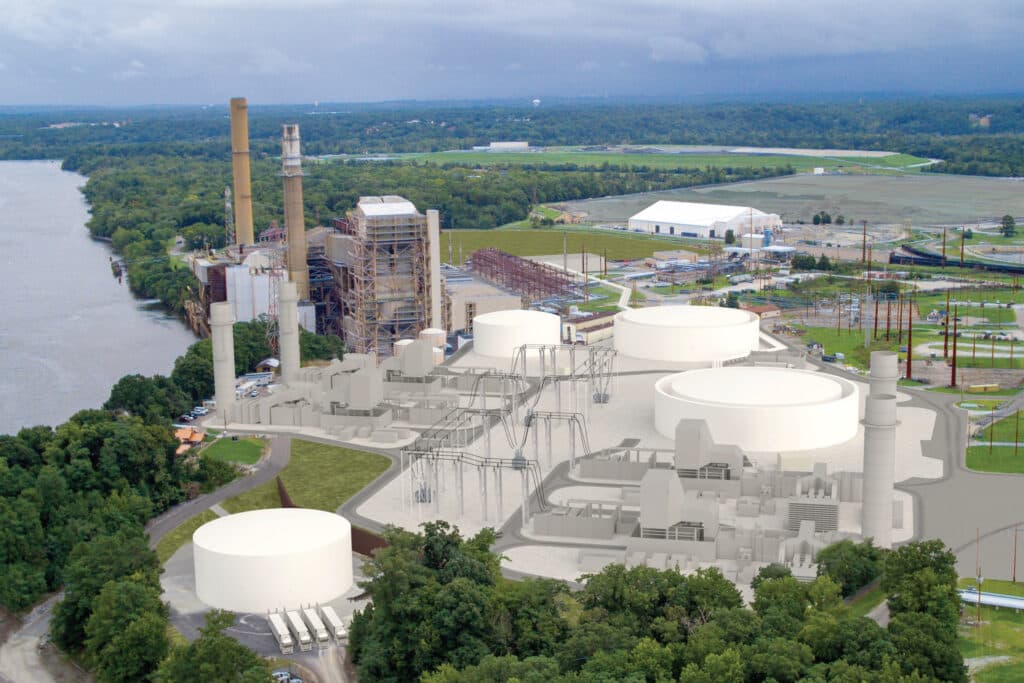
The recent approval of Dominion Energy's $1.47 billion natural gas plant in Chesterfield County raises serious questions about energy reliability in Virginia. Critics argue that the decision, made by the State Corporation Commission (SCC), disregards significant environmental and health impacts on vulnerable communities. This is not just a regulatory issue; it’s a matter of social justice and economic prudence.
Why Everyone is Wrong About Natural Gas
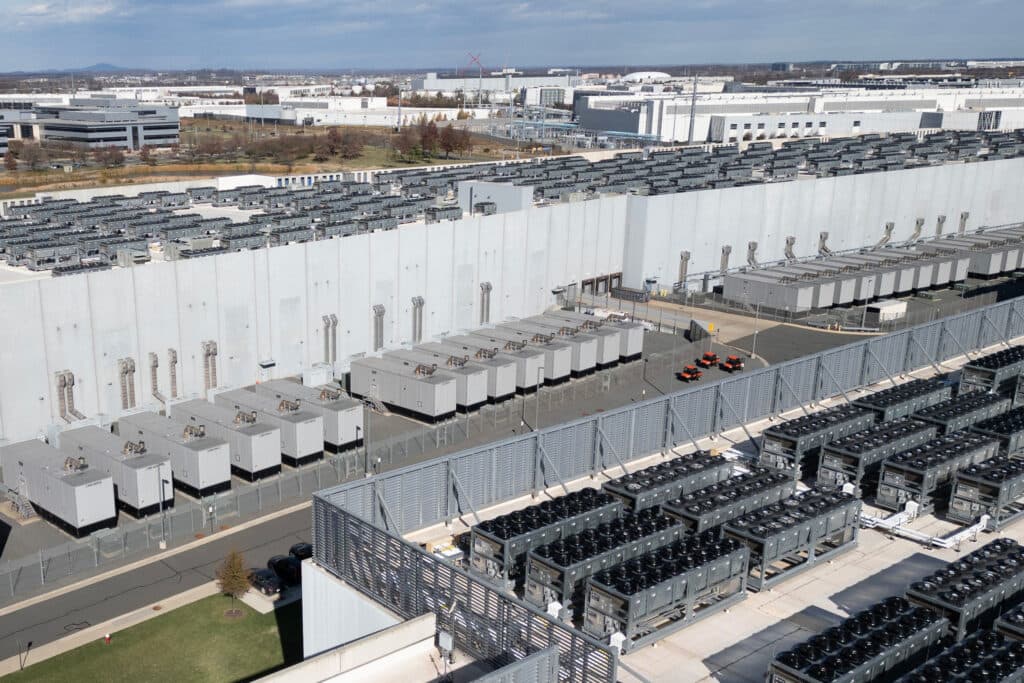
Supporters of the gas plant claim it will meet the growing electricity demands of data centers, but this narrative is dangerously simplistic. The appeal filed by environmental and community groups highlights that the SCC failed to adequately consider the disproportionate pollution burden on Chesterfield's low-income and minority residents. Emma Clancy from the Southern Environmental Law Center points out that the SCC's analysis was flawed, neglecting the human impact in favor of a technical assessment of the site.
Stop Doing This: Ignoring Health Risks
Why are we ignoring the alarming findings from environmental health experts? An analysis revealed that the plant could lead to approximately seven premature deaths and nearly 15,000 illnesses annually within a 50-kilometer radius. This is not just a statistic; it’s a direct threat to public health, particularly in neighborhoods already suffering from decades of fossil fuel pollution. The SCC’s decision seems to prioritize infrastructure over human lives, a dangerous precedent that should alarm every stakeholder.
The Speculative Demand Dilemma
Another critical aspect of this approval is the speculative nature of demand from data centers. Clancy argues that the SCC has not sufficiently proven that the grid's reliability is genuinely at risk. In Ohio, similar projections were drastically reduced, demonstrating that reliance on speculative demand can lead to misguided investments. Why are we putting our energy future at risk based on uncertain projections?
Profit Margins Over Public Interest
Dominion’s proposal also raises eyebrows due to its potential to favor self-build options that guarantee a 9.7% profit margin from ratepayers. This is a blatant conflict of interest. Under the Virginia Clean Economy Act (VCEA), Dominion can only recover costs through a rate adjustment clause if energy efficiency requirements are met. However, they haven’t met these requirements, which should lead to a reconsideration of how costs are recovered. Why are we allowing a utility to profit from a project that does not align with legal stipulations?
Legal Precedents and Future Implications
As the Southern Environmental Law Center prepares to file a full appeal, the implications of this case extend beyond Virginia. The SCC has historically received substantial deference from the Supreme Court on factual issues but less so on legal matters. This could set a critical precedent for how environmental justice and energy reliability are evaluated in future projects. Are we ready to challenge the status quo?
The Path Forward: A Call to Action
It’s time for stakeholders, policymakers, and the public to demand a more rigorous examination of energy projects like Dominion’s gas plant. The stakes are too high to ignore the health impacts on vulnerable communities or the speculative nature of energy demand. We must prioritize public health and environmental justice over profit margins and outdated energy models.
FAQ
The approval is criticized for potentially disregarding significant environmental and health impacts on vulnerable communities, prioritizing infrastructure over human lives, and relying on speculative demand projections from data centers. There are also concerns about Dominion potentially profiting from the project at ratepayers' expense, despite not meeting legal requirements under the Virginia Clean Economy Act.
An analysis suggests the plant could lead to approximately seven premature deaths and nearly 15,000 illnesses annually within a 50-kilometer radius, disproportionately affecting low-income and minority communities already burdened by pollution.
No, the demand from data centers is considered speculative. Similar projections in other states have been significantly reduced, raising questions about the necessity of this investment based on uncertain future needs.
The project could allow Dominion to profit from 'self-build' options with a guaranteed 9.7% margin from ratepayers. This is concerning as Dominion has not met the energy efficiency requirements stipulated by the Virginia Clean Economy Act, which should impact how costs are recovered.