

The Mechanics of Creative Destruction in Energy

The concept of creative destruction is not merely a theoretical notion; it is a fundamental aspect of capitalism that manifests as innovation dismantles existing capital structures. The current energy transition, characterized by the Year of the Fire Horse, exemplifies this phenomenon as it accelerates the transformation of global power systems. Inside the machine of energy economics, electrification emerges as a pivotal force, reshaping demand dynamics and capital flows.

Understanding Electrification's Economic Logic

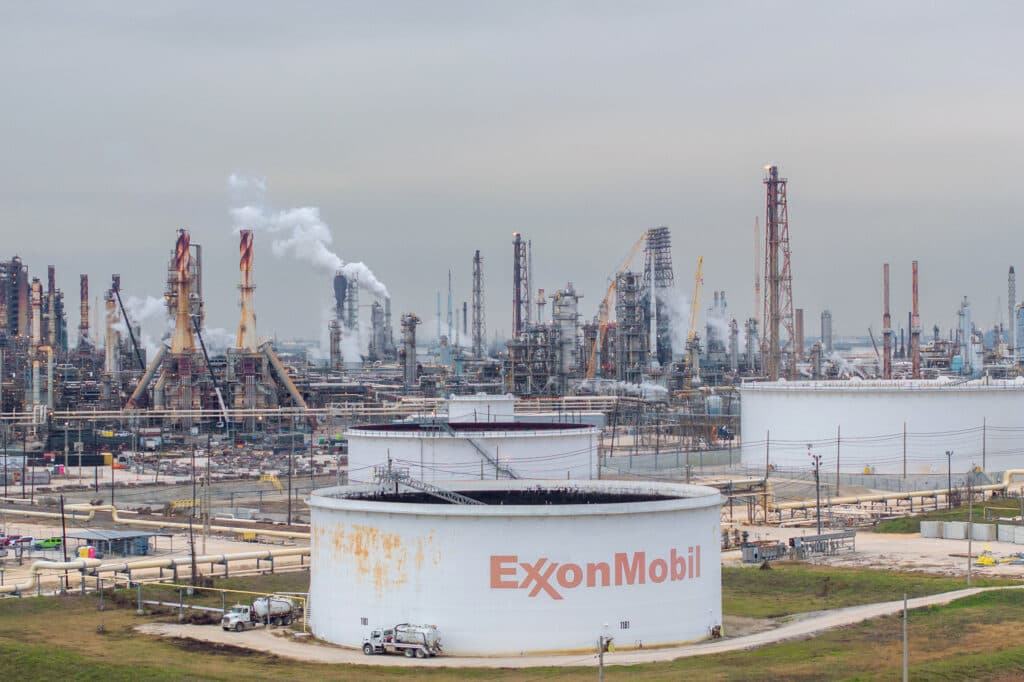
Fossil fuel systems are inherently inefficient, losing significant energy at each conversion stage. For instance, internal combustion engines convert only 20% to 25% of fuel energy into motion, while electric drivetrains achieve efficiencies of 85% to 90%. This stark contrast highlights the hidden mechanism driving the electrification of transport and heating, which can reduce primary energy demand by 40% to 60%. As electrification takes hold, the demand for fossil fuels diminishes, leading to a revaluation of assets tied to these traditional energy sources.

Cost Curves and the Shift in Capital Allocation

Recent trends reveal a dramatic decline in the costs associated with renewable energy technologies. Utility-scale solar has seen an 85% reduction in costs since 2010, while onshore wind has decreased by approximately 60%. Lithium-ion battery prices have plummeted from over $1,000 per kWh to below $150 per kWh in the same timeframe. This cost trajectory is pivotal; it positions renewables as economically viable alternatives to fossil fuels, fundamentally altering the energy market landscape.

China's Dominance and the Global Energy Restructuring

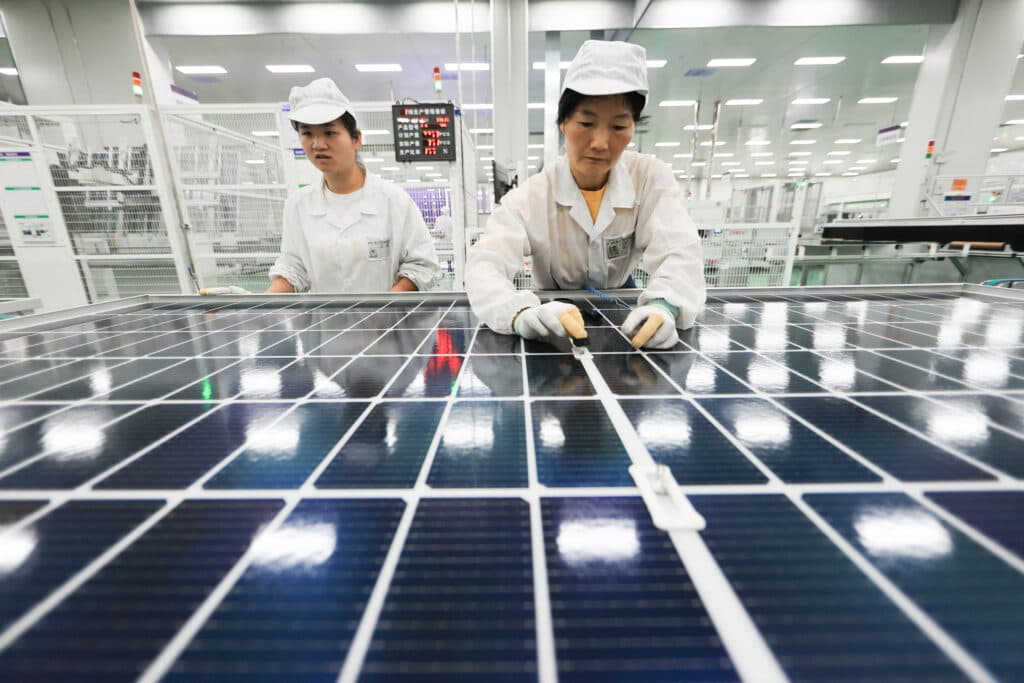
China's strategic positioning within the energy transition is noteworthy. Producing 80% of global solar modules and over 70% of lithium-ion batteries, it has established itself as a leader in renewable energy deployment. The country’s aggressive expansion of wind and solar capacity, coupled with extensive high-voltage transmission infrastructure, underscores its commitment to reshaping the energy paradigm. This industrial realignment is not just about energy; it's a contest for manufacturing supremacy, supply chain control, and regulatory standards.
The Role of Policy and Geopolitical Dynamics

Policy frameworks play a crucial role in this transition. The European Union's Carbon Border Adjustment Mechanism exemplifies how regulatory measures can influence market dynamics by pricing embedded carbon in imports. Meanwhile, the U.S. Inflation Reduction Act injects hundreds of billions into clean energy initiatives, despite facing political volatility. This interplay between policy and market forces creates an environment ripe for creative destruction.

Energy Security as a Catalyst for Change

The geopolitical landscape has shifted dramatically, particularly in the wake of the Ukraine crisis, which exposed vulnerabilities in energy dependencies. Europe’s urgent need to secure alternative energy sources has accelerated renewable deployment. The realization that energy independence is a strategic asset has transformed decarbonization from an environmental goal into a national imperative.

Capital Markets Responding to Structural Shifts

As capital markets react to these structural changes, the long-term demand projections for fossil fuels are increasingly bleak. The International Energy Agency predicts a substantial decline in global oil demand by 2050. This shift in investment focus—from fossil fuels to clean energy—signals a reallocation of growth expectations, challenging traditional energy companies to adapt or face obsolescence.

The Risks and Challenges Ahead

Despite the momentum towards electrification, challenges remain. The hydrogen sector, for example, has attracted over $300 billion in announced projects, yet only a fraction have reached the investment stage. This discrepancy highlights the risks associated with capital chasing policy signals without achieving cost parity. Furthermore, protectionist measures, such as tariffs on solar modules, can distort market dynamics and slow progress.

Climate Risks and Financial Implications

Climate change is no longer an abstract concern; it has tangible impacts on financial markets. Rising temperatures and extreme weather events are prompting insurers to withdraw from high-risk regions, leading to broader implications for mortgage markets and municipal finance. As climate risk becomes a central component of corporate strategy, the urgency for decarbonization intensifies.

The Future of Energy: Strategic Positioning is Key

The transition to an electrified world will redefine geopolitical priorities. Control over critical assets such as battery factories and rare earth processing plants will become paramount. Countries rich in mineral resources will gain leverage, while those lacking processing capabilities may find themselves at a disadvantage. The competition will shift from fossil fuel control to dominance in industrial ecosystems.

As we navigate this transformative period, the Year of the Fire Horse serves as a reminder of the speed and intensity of change. The forces driving this transition—cost declines, geopolitical competition, and policy frameworks—are converging to accelerate the dismantling of outdated energy structures. The question for stakeholders is not whether this wave of change will pass, but whether they will align themselves with the emerging capital stock or cling to the remnants of the past.


Source: CleanTechnica