
Critical Minerals: The Backbone of Future Economies
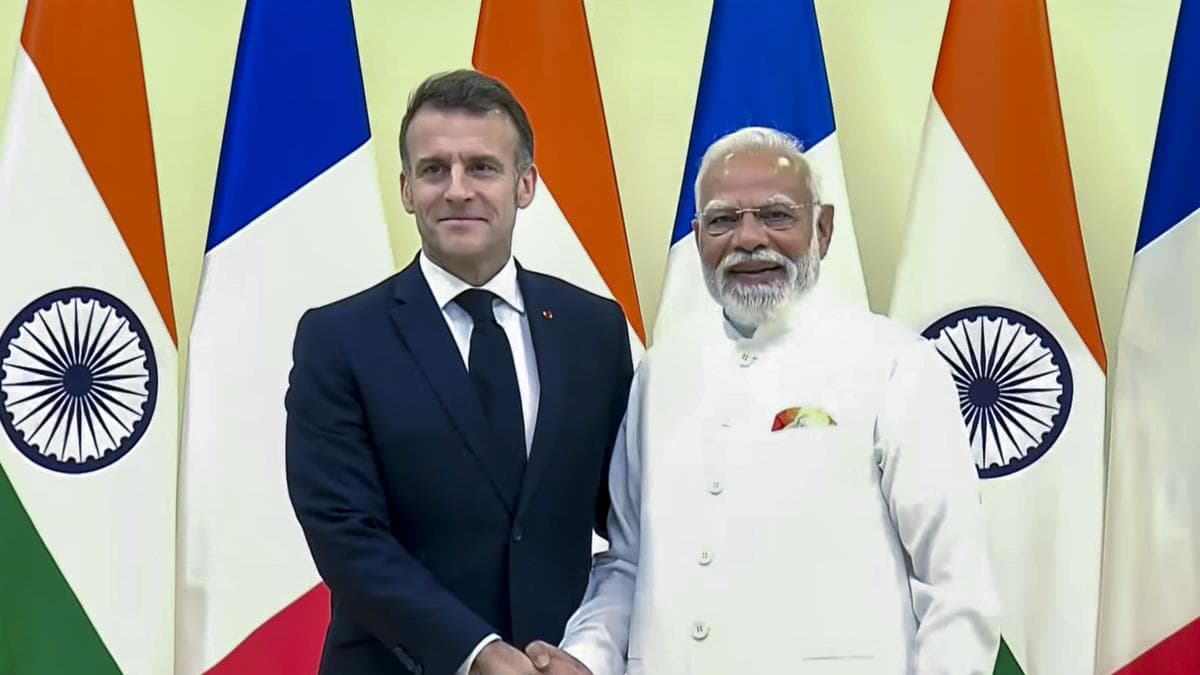
The recent Joint Declaration of Intent between India and France signifies a pivotal moment in the global landscape of critical minerals. As reported by Hindu Business Line, the leaders of both nations have recognized the essential role that critical minerals play in supporting a green and digital economy, emerging technologies, and advanced manufacturing. With the world increasingly focusing on sustainability and digital transformation, the demand for critical minerals such as lithium, cobalt, and rare earth elements is surging. This joint initiative not only aims to enhance bilateral trade but also addresses the urgent need for resilient supply chains in a world fraught with geopolitical tensions and supply chain vulnerabilities.
The global market for critical minerals is projected to grow significantly, driven by the electric vehicle (EV) boom, renewable energy technologies, and advanced manufacturing processes. Countries are now competing to secure their supply chains for these vital resources, which are integral to the production of batteries, solar panels, and other high-tech applications. This strategic partnership between India and France positions both nations to capitalize on these macro trends, potentially increasing their market shares in the global critical minerals sector.
Leveraging Advanced Technologies for Competitive Advantage
The establishment of a joint advanced technology development group and a center for advanced materials between India's Department of Science and Technology and France's CNRS (National Centre for Scientific Research) is a significant step toward innovation in the critical minerals sector. CNRS is one of the world's largest scientific institutions, renowned for its contributions to basic research. By collaborating with such a prestigious entity, India aims to enhance its technological capabilities in exploration, extraction, processing, and recycling of critical minerals.
The technological advancements that emerge from this collaboration could lead to more efficient and environmentally friendly methods of mineral extraction and processing. For instance, innovations in recycling technologies could reduce the dependency on newly mined minerals, thereby addressing environmental concerns while ensuring a sustainable supply. Additionally, the integration of AI and machine learning in mineral exploration could optimize resource identification and extraction processes, significantly lowering operational costs and increasing profitability.
Moreover, the joint declaration also includes an amendment to the double tax avoidance agreement between the two countries, which will further facilitate trade and investment in the critical minerals sector. This financial framework will encourage private sector participation and attract foreign direct investment (FDI), ultimately enhancing the scalability of operations in both nations.
Strategic Outlook: Implications for Stakeholders
The implications of this collaboration extend beyond bilateral relations; they resonate with various stakeholders, including businesses, investors, and policymakers. For businesses, particularly those in the technology and manufacturing sectors, this partnership presents an opportunity to access a more stable and diversified supply of critical minerals. Companies involved in the production of EVs, renewable energy technologies, and electronics should closely monitor developments in this sector, as enhanced supply chain resilience could lead to reduced costs and improved margins.
Investors should also view this collaboration as a signal of growing opportunities in the critical minerals market. As both India and France deepen their technological capabilities, companies that engage in the critical minerals supply chain are likely to see significant growth in market share. This partnership could lead to the emergence of new players in the market, as well as the expansion of existing companies involved in mineral extraction and processing.
For policymakers, the India-France collaboration serves as a model for international cooperation in addressing global challenges related to resource scarcity and sustainability. By fostering partnerships that prioritize technological innovation and sustainable practices, governments can enhance their nations' competitive advantages in the global economy.
In conclusion, the Joint Declaration of Intent between India and France marks a strategic shift in the critical minerals landscape. As both nations work together to enhance their capabilities and supply chains, they are not only positioning themselves for growth but also contributing to the global transition toward a sustainable and technologically advanced future.
FAQ
This declaration signifies a move towards more stable and diversified critical mineral supply chains, crucial for sectors like EVs, renewable energy, and advanced manufacturing. It presents opportunities for enhanced access to vital resources, potentially reducing costs and improving margins for companies involved in these industries.
The joint development group and center for advanced materials will drive innovation in exploration, extraction, processing, and recycling. This can lead to more efficient, cost-effective, and environmentally friendly methods, potentially offering a competitive edge through optimized resource utilization and reduced reliance on primary extraction.
The partnership signals growing opportunities in the critical minerals market, driven by enhanced technological capabilities and supply chain resilience. Investors can anticipate significant growth potential for companies involved across the critical minerals supply chain, from extraction to processing and recycling.
The amendment to the double tax avoidance agreement is designed to facilitate greater trade and investment between India and France in the critical minerals sector. This improved financial framework is expected to encourage private sector participation and attract foreign direct investment (FDI), supporting the scalability of operations.