The Geopolitical Landscape of Defense Manufacturing
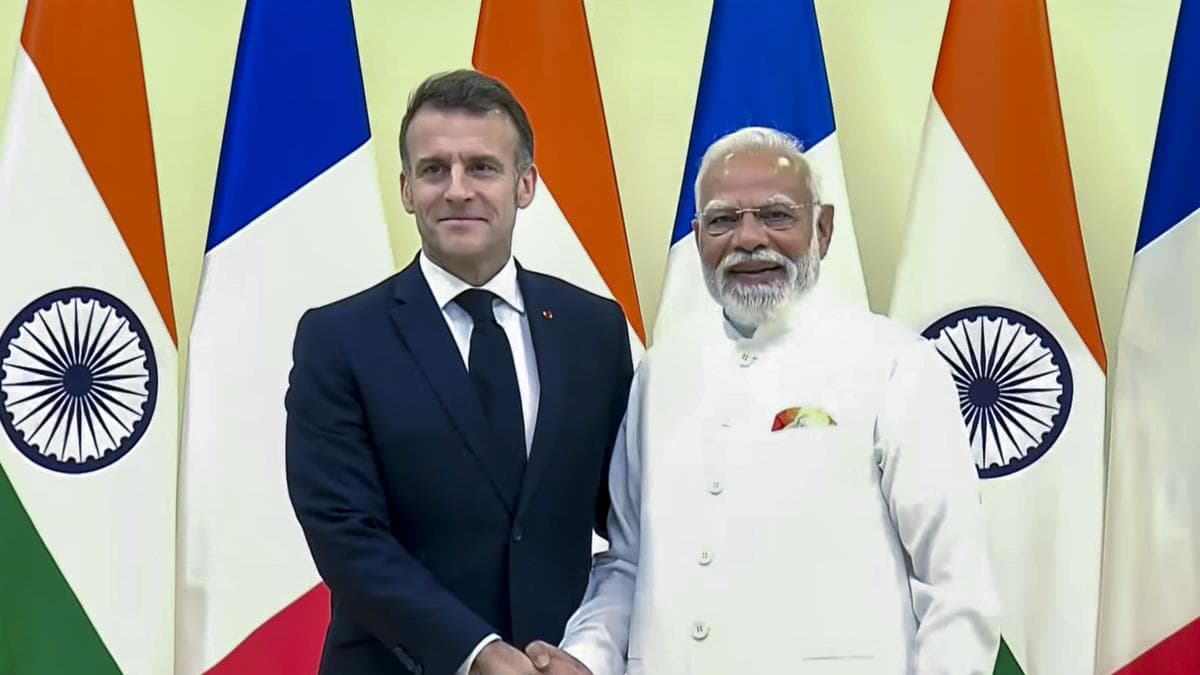
The recent meeting between French President Emmanuel Macron and Indian Prime Minister Narendra Modi marks a pivotal moment in the global defense landscape, particularly in the context of military aviation. As reported by Financial Times Markets, the anticipated fighter jet deal is not merely a transaction; it represents a strategic alliance that could redefine defense manufacturing capabilities in both nations. The global defense industry is witnessing a shift towards localized production, driven by geopolitical tensions and the need for self-reliance. India, with its ambitious 'Make in India' initiative, aims to reduce dependency on foreign military equipment and enhance its indigenous manufacturing capabilities. This deal, therefore, is not just about acquiring advanced technology but also about fostering a robust defense ecosystem within India.
France, on the other hand, is looking to solidify its position as a key player in the Asian defense market. The collaboration with India allows France to leverage its technological expertise while simultaneously addressing its own economic needs in a post-pandemic world. The fighter jet deal is expected to include technology transfer agreements, which will not only bolster India's defense capabilities but also create job opportunities and stimulate local economies. This strategic partnership aligns with macroeconomic trends favoring increased defense spending amid rising global tensions, particularly in the Indo-Pacific region.
Decoding the Fighter Jet Deal: Mechanisms and Opportunities
The fighter jet deal under discussion is expected to involve the procurement of Rafale jets, known for their advanced avionics and combat capabilities. The deal is structured to include significant technology transfer, allowing India to manufacture components domestically. This mechanism is crucial for India, as it seeks to build a self-sufficient defense manufacturing base capable of competing on the global stage.
At the core of this deal is the concept of 'strategic autonomy.' For India, this means developing indigenous capabilities that reduce reliance on foreign suppliers. The technology transfer will encompass not just the aircraft but also critical subsystems, including engines, avionics, and weaponry. This approach is designed to create a sustainable defense ecosystem that can support India's long-term military objectives.
From a business perspective, the deal presents a unique opportunity for French defense contractors. By establishing a manufacturing presence in India, these companies can tap into a burgeoning market that is expected to grow significantly in the coming years. The Indian defense budget is projected to increase, driven by modernization efforts and the need to counter regional threats. For French firms, this deal could serve as a gateway to other markets in Asia, leveraging India's strategic location and growing defense capabilities.
Strategic Outlook: Implications for Stakeholders
The implications of this fighter jet deal extend beyond the immediate benefits of enhanced military capabilities. For stakeholders, including defense contractors, government entities, and local industries, the deal represents a shift towards collaborative defense manufacturing. For Indian defense contractors, this is an opportunity to engage in high-value production processes, thereby enhancing their competitive positioning in the global market.
Moreover, this partnership could catalyze innovation within India's defense sector. With technology transfer and collaboration, Indian firms can develop new capabilities that may lead to breakthroughs in defense technology. This is particularly relevant as global defense trends increasingly focus on advanced technologies such as artificial intelligence, unmanned systems, and cyber capabilities.
For the French government and defense contractors, the deal signifies an opportunity to strengthen ties with a key strategic partner in Asia. As geopolitical dynamics evolve, maintaining a strong presence in India will be crucial for France to secure its interests in the region. Additionally, the deal could enhance France's influence in regional security dialogues, positioning it as a key player in collective defense initiatives.
In summary, the fighter jet deal between France and India is poised to have far-reaching implications for the global defense landscape. It underscores the importance of strategic partnerships in addressing contemporary security challenges while fostering economic growth through localized manufacturing.
FAQ
The deal represents a strategic alliance aimed at redefining defense manufacturing capabilities for both nations, fostering India's 'Make in India' initiative through technology transfer and local production, while solidifying France's position in the Asian defense market.
The fighter jet deal, particularly through significant technology transfer of critical subsystems and manufacturing capabilities, directly supports India's objective of reducing reliance on foreign suppliers and building a self-sufficient, competitive defense manufacturing base.
French defense contractors can leverage this deal to establish a manufacturing presence in India, tapping into a growing market, potentially serving as a gateway to other Asian markets, and benefiting from India's increasing defense budget and strategic location.
The collaboration is expected to catalyze innovation within India's defense sector, driving advancements in areas like AI and cyber capabilities. For France, it strengthens ties with a key strategic partner in Asia, enhancing its influence in regional security dialogues and collective defense initiatives.