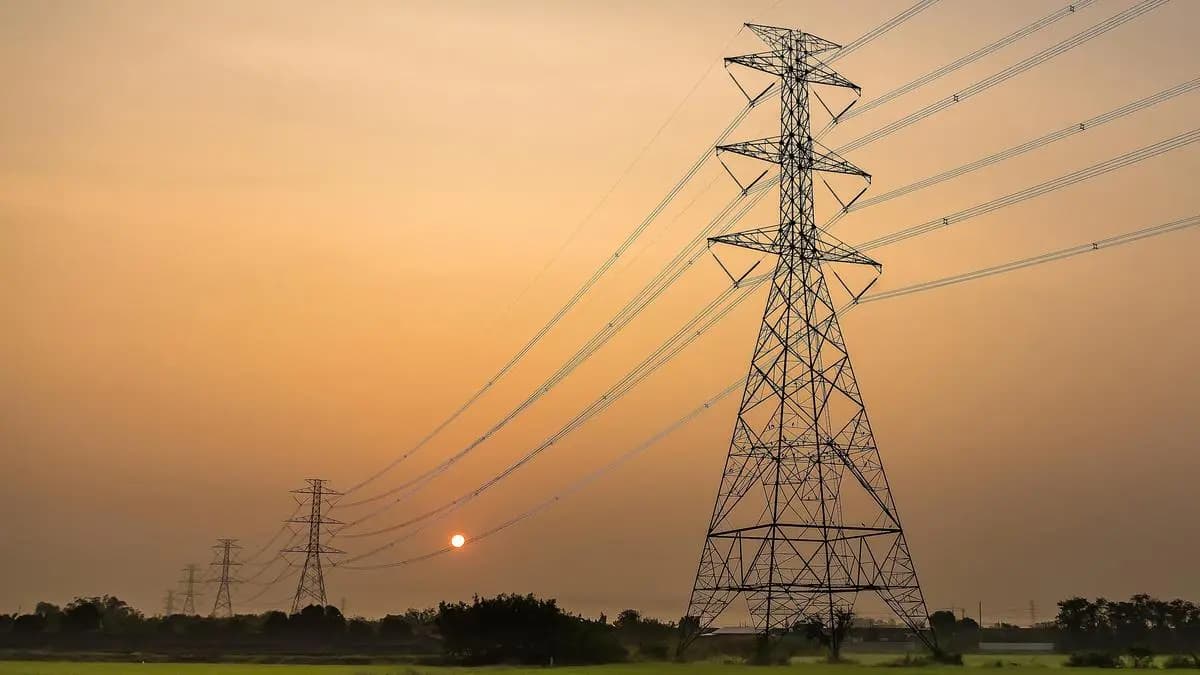

The Renewable Energy Revolution: India's Power Capacity Landscape
In FY26, India achieved a remarkable milestone, reaching a total power capacity of 520,510.95 MW, primarily driven by substantial investments in renewable energy and robust policy support. This growth is not merely a statistic; it represents a pivotal shift in the energy landscape, positioning India as a formidable player in the global renewable energy market. The country’s commitment to sustainability is underscored by its ambitious targets to increase the share of renewables in its energy mix, aiming for 500 GW of non-fossil fuel capacity by 2030. The implications of this shift are profound, impacting not only energy producers but also consumers, investors, and policymakers.
However, this rapid expansion is not without challenges. The need for an efficient grid infrastructure, energy storage solutions, and regulatory frameworks that facilitate investment are critical to sustaining this growth trajectory. As India continues to scale its renewable energy capacity, understanding the dynamics at play becomes essential for stakeholders across the spectrum—from government agencies to private sector players.
Decoding the Mechanisms: Investments and Innovations Driving Growth
The surge in India's power capacity can be attributed to several key mechanisms that have been strategically deployed over the past few years. First and foremost, the government’s proactive approach to policy formulation has been instrumental. Initiatives such as the National Solar Mission and the Wind Energy Mission have created a conducive environment for investment. These policies not only provide financial incentives but also streamline the regulatory processes, making it easier for companies to enter the market.
Moreover, the technological advancements in renewable energy technologies, particularly solar and wind, have significantly reduced the cost of production. The price of solar photovoltaic (PV) modules has plummeted, making solar energy one of the most cost-effective sources of electricity. This cost reduction, coupled with the increasing efficiency of wind turbines, has made renewable energy projects more attractive to investors.
Additionally, the role of public-private partnerships (PPPs) cannot be overstated. Companies like Adani Green Energy and Tata Power have emerged as leaders in the renewable sector, leveraging their expertise and resources to drive innovation. These firms have not only contributed to capacity growth but have also set benchmarks in sustainability practices, thus enhancing their brand equity.
Furthermore, the integration of digital technologies such as IoT and AI in energy management systems is optimizing operations and enhancing grid reliability. These innovations are crucial for managing the intermittency associated with renewable energy sources, thereby ensuring a stable energy supply. The scalability of these technologies presents an opportunity for stakeholders to capitalize on the growing demand for clean energy solutions.
Strategic Implications: Navigating the Future of Energy in India
The implications of India's record power capacity growth extend far beyond the energy sector. For investors, the renewable energy market presents a lucrative opportunity, particularly as global trends shift towards sustainability. The increasing focus on Environmental, Social, and Governance (ESG) criteria among institutional investors further underscores the importance of aligning investment strategies with sustainable practices.
For energy producers, the competitive landscape is evolving. Companies that can innovate and adapt to the changing market dynamics will thrive, while those clinging to traditional fossil fuel models may find themselves at a disadvantage. The emphasis on renewable energy not only enhances market share but also aligns with global efforts to combat climate change, thus improving corporate reputations.
Policymakers play a crucial role in shaping the future of India's energy landscape. Continued support for renewable initiatives, coupled with the development of infrastructure and regulatory frameworks, will be essential for maintaining momentum. The government must also address potential bottlenecks, such as land acquisition and grid connectivity, to ensure that the growth trajectory is sustainable.
In conclusion, India's achievement of a record power capacity growth in FY26 marks a significant milestone in its renewable energy journey. The interplay of government policy, technological innovation, and private sector involvement has created a robust framework for future growth. Stakeholders must remain agile and forward-thinking to navigate the evolving landscape and capitalize on the opportunities presented by this transformation.
FAQ
As of FY26, India has achieved a total power capacity of 520,510.95 MW. This significant growth is primarily driven by substantial investments in renewable energy sources, supported by robust government policies and technological advancements that have reduced production costs.
Key government initiatives include the National Solar Mission and the Wind Energy Mission, which provide financial incentives and streamline regulations. Technologically, a significant reduction in the cost and increased efficiency of solar PV modules and wind turbines, alongside the integration of digital technologies like IoT and AI for energy management, are crucial drivers.
For investors, the renewable energy sector presents a lucrative opportunity, especially with the global shift towards sustainability and ESG criteria. For energy producers, innovation and adaptation to renewable energy will be critical for market competitiveness and enhanced corporate reputation, while those relying on fossil fuels may face disadvantages.