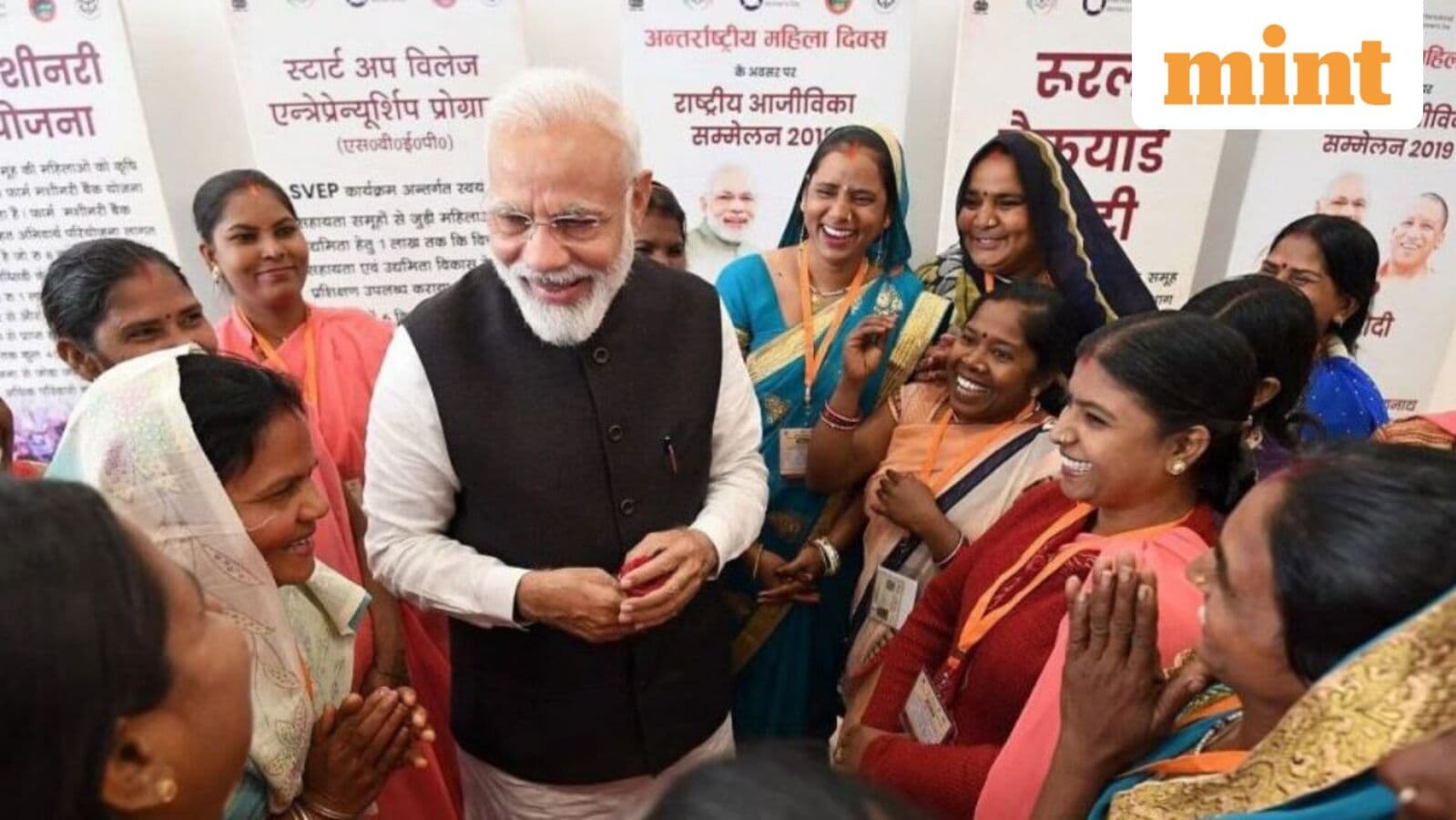

Transforming Gender Dynamics in India's Workforce
India stands at a pivotal juncture where the empowerment of women is not just a social imperative but a critical economic strategy. Prime Minister Narendra Modi has articulated a vision for a 'Viksit Bharat' (Developed India) by 2047, emphasizing that women’s empowerment is essential for achieving this goal. Currently, women constitute about 50% of India's population, yet their participation in the workforce remains disproportionately low, hovering around 27%. This underutilization of a significant segment of the population poses a substantial barrier to economic growth. The World Economic Forum estimates that closing the gender gap could add $770 billion to India’s GDP by 2025, highlighting the urgent need for systemic changes that enable women to contribute fully to the economy.
Despite recent improvements, such as the introduction of various government schemes aimed at enhancing women's access to education and entrepreneurship, societal norms and structural barriers continue to hinder progress. Issues such as inadequate childcare facilities, safety concerns, and gender biases in hiring practices create a challenging environment for women. Addressing these barriers is essential not only for social equity but also for unlocking the vast economic potential that lies in the active participation of women in the workforce.
Leveraging Technology to Empower Women Entrepreneurs
The integration of technology into women's economic empowerment strategies presents a compelling opportunity for India. Digital platforms and e-commerce have revolutionized the way businesses operate, providing women entrepreneurs with unprecedented access to markets, resources, and networks. Initiatives like the Digital India campaign aim to bridge the digital divide, ensuring that women have the tools they need to succeed in a tech-driven economy.
Moreover, microfinance institutions and fintech companies are increasingly focusing on women-led businesses, offering tailored financial products that address their unique challenges. For instance, companies like Bharat Financial Inclusion and Ujjivan Financial Services have pioneered micro-lending solutions that empower women to start and scale their businesses. These financial services are crucial for fostering entrepreneurship among women, particularly in rural areas where traditional banking services may be limited.
Additionally, the rise of social media platforms has enabled women to build personal brands and engage in direct sales, creating a new wave of female entrepreneurs. Programs that provide digital literacy training and mentorship are essential for equipping women with the skills needed to navigate this landscape effectively. By leveraging technology, India can create a robust ecosystem that supports women entrepreneurs, driving economic growth and innovation.
Strategic Implications for Stakeholders in India's Economic Ecosystem
The implications of women’s empowerment extend beyond social equity; they resonate deeply within the broader economic landscape. For corporate leaders, investing in gender diversity can yield significant returns. Research indicates that companies with diverse leadership teams are 21% more likely to outperform their peers in profitability. As such, fostering an inclusive workplace culture that supports women’s advancement is not merely a moral obligation; it is a strategic business imperative.
For policymakers, the challenge lies in creating an enabling environment that facilitates women's participation in the economy. This includes implementing policies that promote gender equality in education, healthcare, and employment. Furthermore, public-private partnerships can play a pivotal role in driving initiatives that support women entrepreneurs, such as incubators and accelerators focused on female-led startups.
Investors also have a crucial role to play. Impact investing in women-led ventures not only drives financial returns but also contributes to broader social change. Funds like Women’s World Banking and SheEO are examples of initiatives that prioritize investments in women entrepreneurs, demonstrating that financial success and social impact can go hand in hand.
In conclusion, the empowerment of women is not merely a social issue but a strategic economic opportunity for India. By addressing the barriers that impede women's participation in the workforce and leveraging technology to support women entrepreneurs, India can unlock significant economic potential. The collective efforts of government, corporations, and investors will be crucial in shaping a future where women play a central role in driving economic growth and innovation.
FAQ
Closing the gender gap in India's workforce could add an estimated $770 billion to the country's GDP by 2025. Currently, with only about 27% workforce participation among women, India is significantly underutilizing a major demographic, hindering overall economic growth.
Technology, through digital platforms and e-commerce, offers women entrepreneurs access to wider markets, resources, and networks. Initiatives like 'Digital India' and specialized fintech solutions from institutions like Bharat Financial Inclusion and Ujjivan Financial Services are crucial for bridging the digital divide and providing financial access, especially in rural areas.
For corporate leaders, investing in gender diversity is a strategic imperative, as companies with diverse leadership are 21% more likely to outperform peers financially. Investors can achieve both financial returns and social impact by engaging in impact investing in women-led ventures, supported by funds like Women's World Banking and SheEO.
Despite government initiatives, societal norms and structural barriers such as inadequate childcare facilities, safety concerns, and gender biases in hiring practices continue to impede women's progress in the workforce. Addressing these is critical for unlocking economic potential.