
Executive Summary
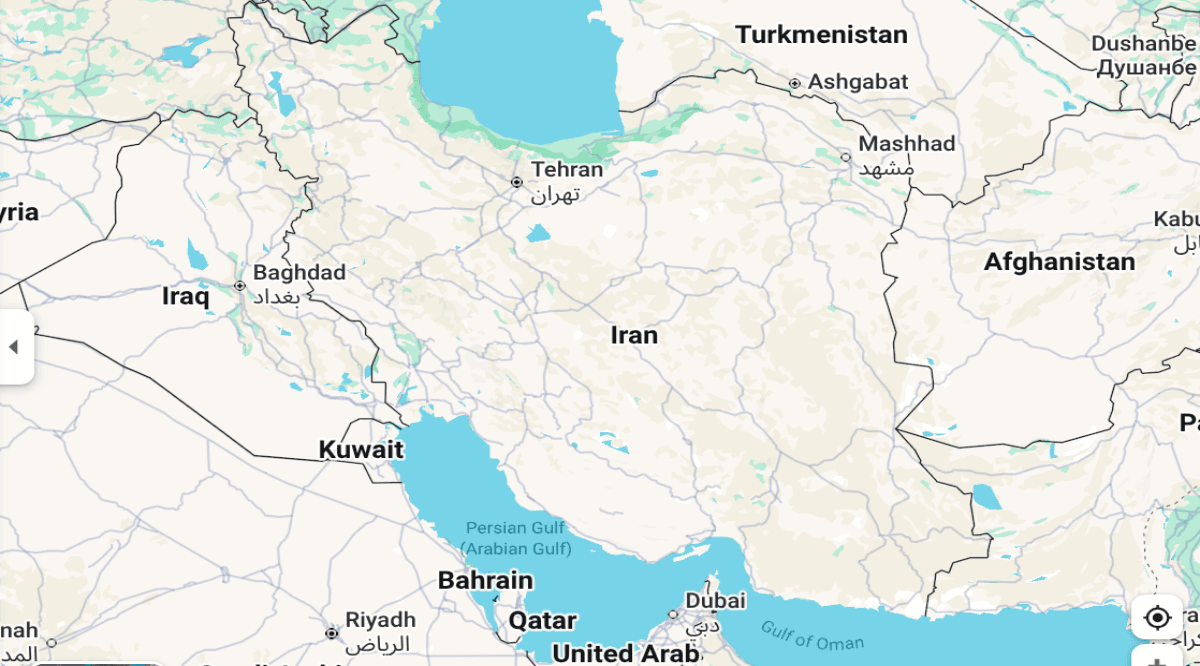
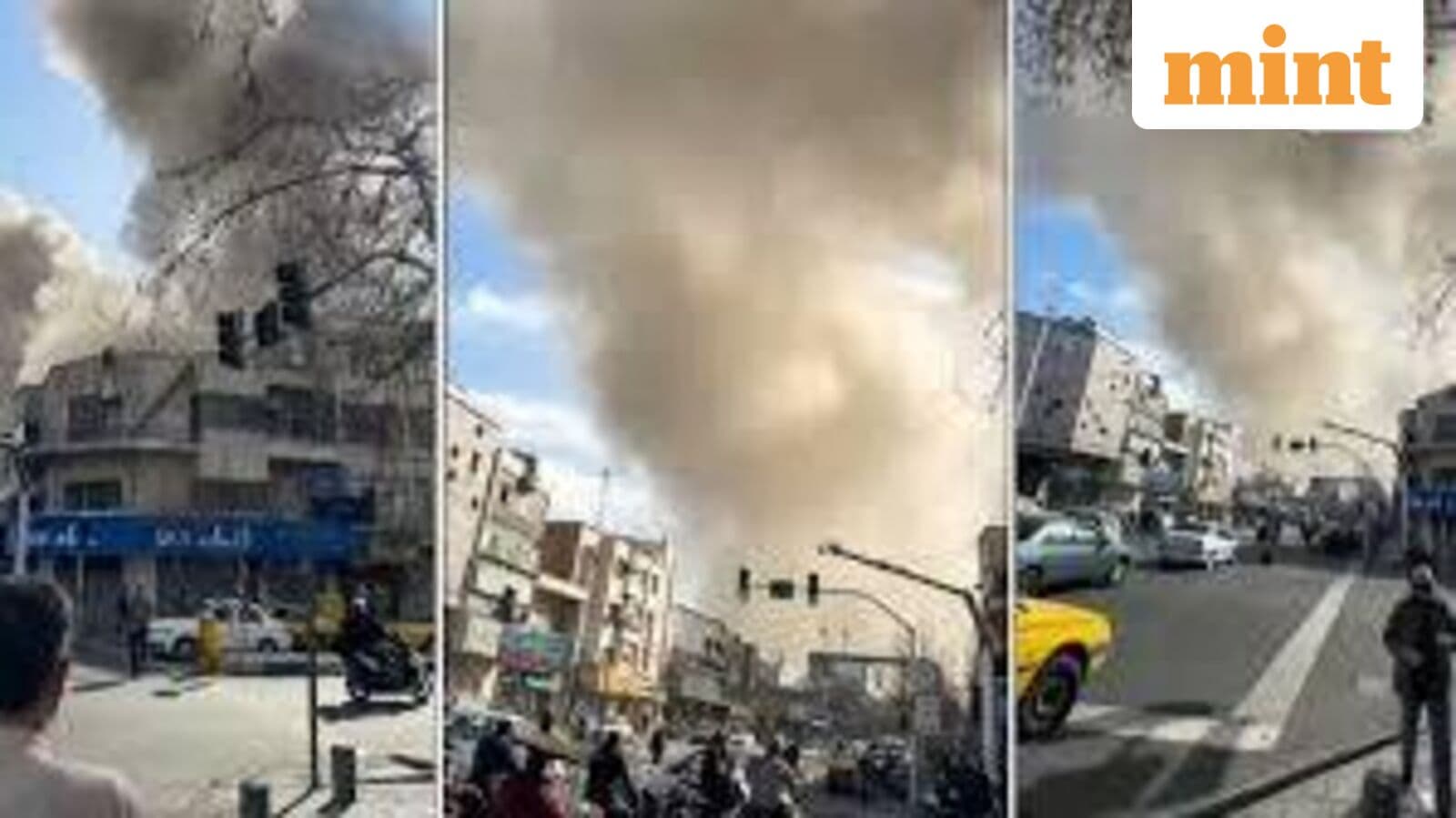
The recent military strikes by the United States and Israel on Iran mark a pivotal moment in Middle Eastern geopolitics, catalyzing heightened tensions and a potential shift in the regional balance of power. As Iran retaliates with missile strikes targeting US and Israeli interests, the implications of this conflict extend beyond immediate military outcomes, affecting global security dynamics, investor confidence, and international policy frameworks. The trending topic of 'World War 3' on social media underscores the widespread concern and speculation regarding the potential escalation of this conflict into a broader war.
Key Insights
- The US and Israel executed a significant military strike on Iran, targeting key military infrastructure and leadership.
- In response, Iran launched missile and drone attacks aimed at US military installations and Israeli territory.
- Social media reactions reflect public anxiety, with 'World War 3' trending as users express fears of a wider conflict.
- No American casualties were reported in the initial strikes, indicating a degree of operational success for US forces.
- The UN Security Council is convening to address the escalating situation, while Iran experiences a near-total internet blackout.
Strategic Implications
Industry Impact
The military actions taken by the US and Israel against Iran are likely to have profound implications for various industries, particularly those tied to energy markets, defense, and international trade. The Middle East is a critical hub for oil production, and any escalation in conflict could lead to disruptions in oil supply chains, affecting global prices and market stability. Companies operating in or reliant on Middle Eastern resources may need to reassess their risk exposure and operational strategies in light of potential supply chain disruptions.
Investor Considerations
Investors are facing a complex landscape as geopolitical tensions rise. The military engagement could lead to increased volatility in stock markets, particularly in sectors sensitive to geopolitical events, such as energy and defense. Investors may find opportunities in defense contracting firms, which could see increased government spending in response to heightened security concerns. Conversely, sectors heavily reliant on stable oil prices may experience declines as uncertainty looms. Strategic asset allocation will be crucial as investors navigate these turbulent waters.
Competitive Landscape
The ongoing conflict presents a unique challenge to competitors in the defense and energy sectors. Companies that can adapt quickly to the changing geopolitical environment may gain a competitive edge. Additionally, nations that maintain neutrality or offer mediation may enhance their diplomatic standing, potentially leading to new alliances or economic partnerships. The response of global powers, including Russia and China, will also shape the competitive dynamics, as their interests in the region may lead to increased involvement or support for Iran.
Policy Responses
The escalation of military action will prompt a reevaluation of international policy frameworks concerning military engagement and conflict resolution. The UN Security Council's response will be pivotal in shaping international norms and expectations regarding military interventions. The Biden administration may face pressure to justify its actions and seek congressional approval, which could influence future military strategies and diplomatic relations. Furthermore, the international community's response to Iran's actions will set precedents for how similar conflicts are managed in the future.
The Bottom Line
The military strikes by the US and Israel against Iran signal a critical juncture in Middle Eastern geopolitics, with far-reaching implications for regional stability, global markets, and international policy. As the situation unfolds, stakeholders across industries must remain vigilant and adaptable to navigate the complexities of this evolving conflict.
FAQs
- What triggered the US and Israel's military strike on Iran?
The strike was a response to escalating tensions and perceived threats from Iran's military actions. - What are the potential consequences of this conflict for global oil prices?
Increased military action in the Middle East could disrupt oil supply chains, leading to volatility in global oil prices. - How might investors react to the escalating conflict?
Investors may shift their focus towards defense sectors while reassessing risks in energy-dependent industries. - What role will the UN play in addressing this conflict?
The UN Security Council is convening to discuss the situation, which may influence international responses and policy frameworks. - What are the implications for US foreign policy?
The Biden administration may face pressure to justify military actions and navigate congressional approval processes.
Source: Livemint News