

Executive Summary
The recent military engagement initiated by Israel, with the backing of the United States, against Iran has ignited a complex geopolitical situation that reverberates through global oil markets. As tensions escalate, the stakes are high for oil supply stability, which remains crucial for the world economy. The immediate concern is the potential disruption of oil exports from Iran and its neighboring countries, which could trigger a ripple effect in global energy prices, inflation rates, and broader economic stability. The lack of a coherent strategy from U.S. leadership further complicates the situation, raising questions about the long-term impacts of this conflict on international relations and economic health.
Key Insights
- The conflict has generated approximately 18 billion words of discourse across news outlets and social media platforms, highlighting its global significance.
- Current oil prices have already seen an increase of about $10 per barrel since the onset of hostilities, indicating immediate market reactions.
- Iran's share of global oil production is modest, yet its geopolitical actions can significantly influence neighboring oil-exporting countries.
- Historical parallels to the 1979 oil crisis suggest that while the current situation may not lead to an immediate spike in prices, the potential for speculative hoarding remains a concern.
- The modern economy is less dependent on oil than it was in the 1970s, which may mitigate some economic fallout from rising prices.
- Financial fragility in today's markets poses risks that could be exacerbated by the conflict, particularly concerning private credit and market valuations.
Strategic Implications
Industry Impact
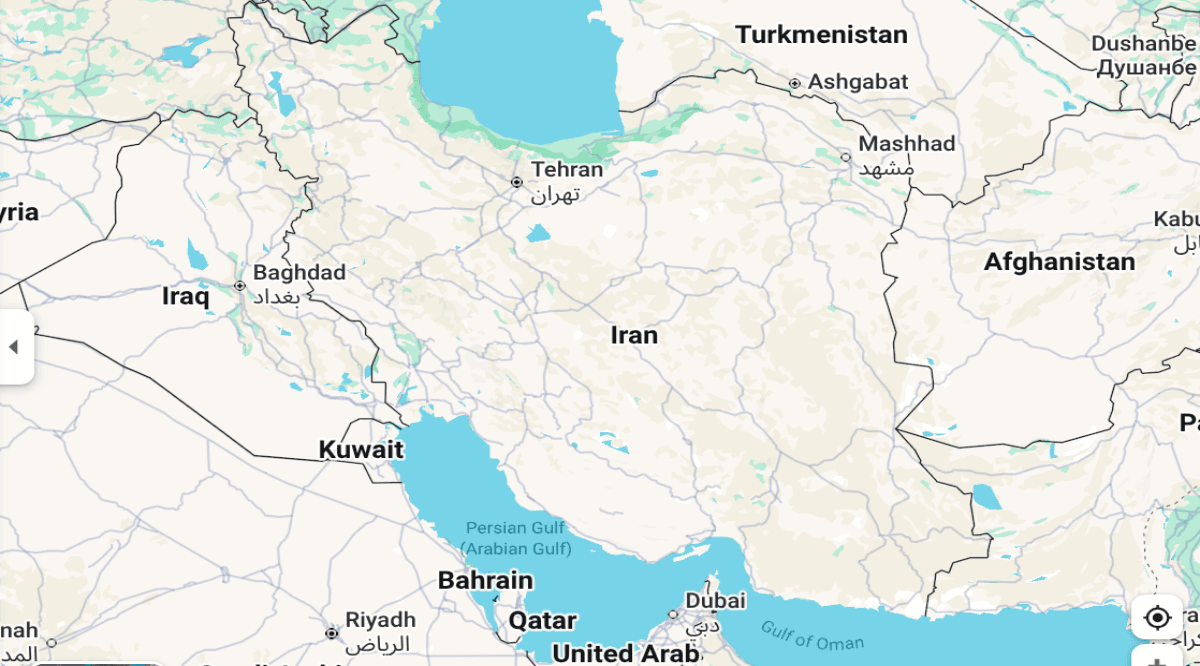
The oil industry is poised for significant volatility as the Iran conflict unfolds. While Iran's direct contribution to global oil supply is limited, its strategic location and military capabilities pose a threat to oil shipments through the Strait of Hormuz, a critical passage for Middle Eastern oil exports. The current geopolitical climate suggests that neighboring countries, such as Saudi Arabia and Kuwait, may face increased scrutiny and pressure to maintain production levels amidst fears of military escalation. This situation could lead to speculative trading behaviors, reminiscent of the 1970s oil crises, where perceived threats to supply resulted in dramatic price increases.
Investor Risks and Opportunities
Investors are currently navigating a landscape marked by uncertainty. The immediate increase in oil prices, while manageable for some economies, could lead to inflationary pressures that affect consumer spending and corporate earnings. The potential for a prolonged conflict raises questions about the sustainability of current market valuations, particularly in sectors heavily reliant on stable energy prices. However, there may also be opportunities for investors in alternative energy sectors, as the crisis could accelerate the shift towards renewable energy sources and energy independence initiatives.
Competitive Landscape
Competitors in the oil market, particularly those outside the Middle East, may find themselves in a favorable position if the conflict disrupts traditional supply routes. Countries like the United States, which has increased its oil production significantly in recent years, may benefit from higher prices as global demand remains steady. However, the interconnectedness of the global economy means that disruptions in one region can have cascading effects elsewhere, potentially impacting the competitiveness of non-Middle Eastern oil producers.
Policy Considerations
The geopolitical ramifications of the Iran conflict extend beyond the immediate oil market. Policymakers must consider the implications of military action on international relations, particularly in the context of alliances and trade partnerships. The current U.S. administration's approach, characterized by a lack of clear strategic objectives, may hinder diplomatic efforts and exacerbate tensions with other nations. Additionally, the potential for increased military engagement in the region could lead to calls for a reevaluation of U.S. foreign policy and military spending priorities.
The Bottom Line
The ongoing conflict in Iran signals potential instability in global oil markets, with immediate implications for pricing and economic health. The lack of a coherent strategy from U.S. leadership raises concerns about the long-term impacts of this conflict on international relations and economic stability. As the situation develops, stakeholders across industries must remain vigilant and adaptable to navigate the complexities of this evolving geopolitical landscape.


