
Executive Summary
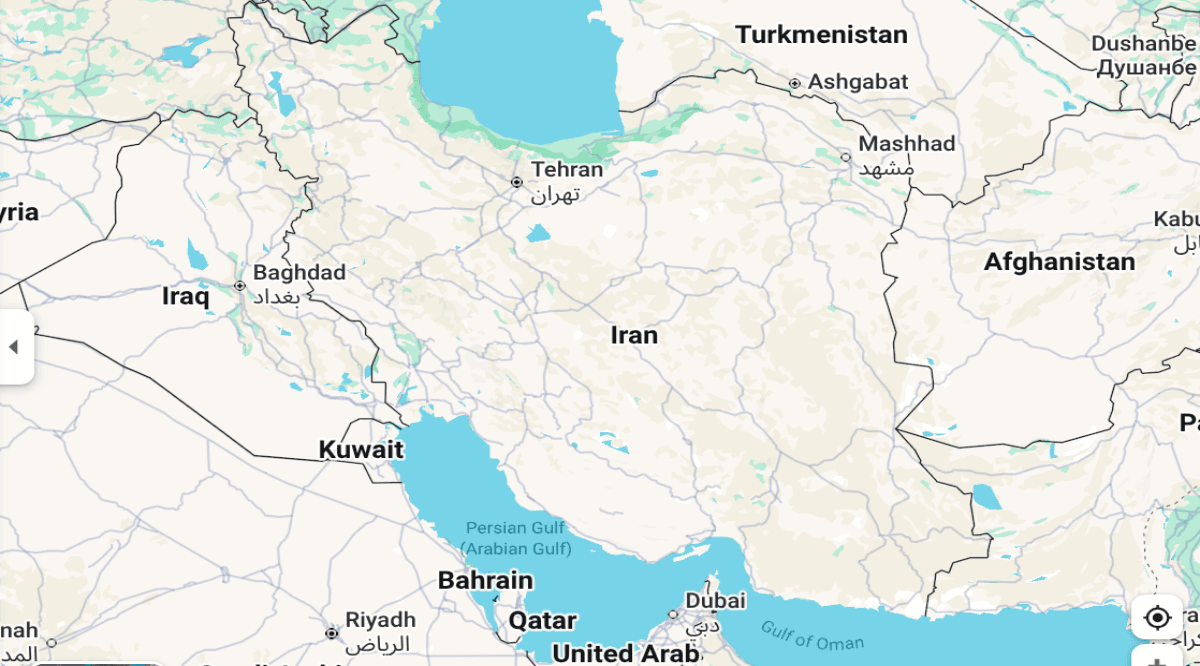
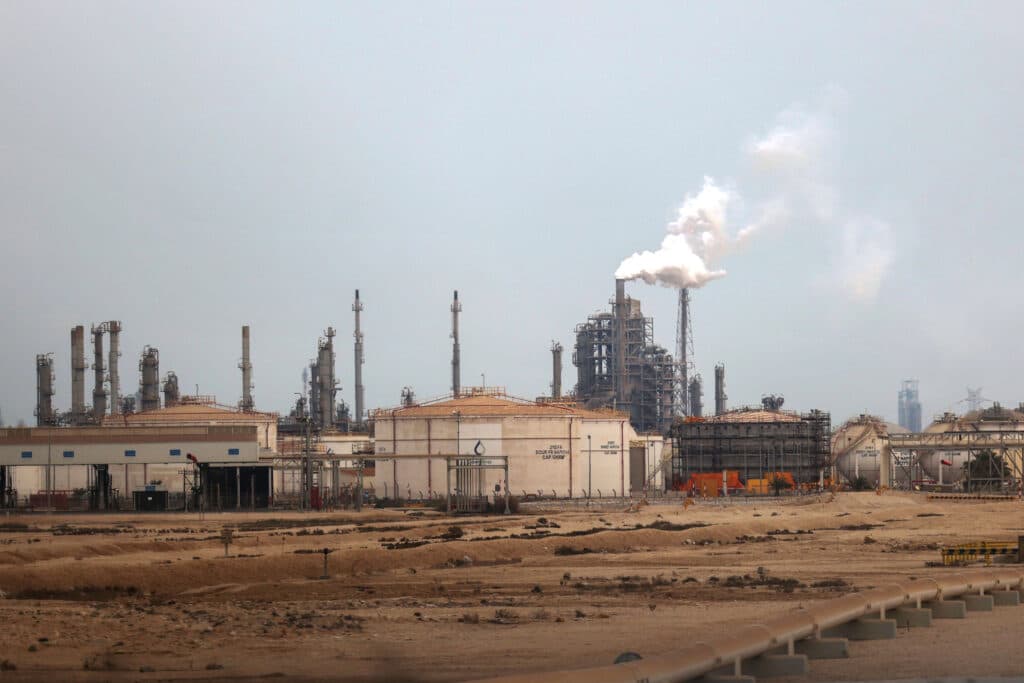
The ongoing geopolitical tensions surrounding Iran have significant implications for global energy markets, particularly in the context of rising utility bills for consumers. Following Russia's invasion of Ukraine, which precipitated a global energy crisis, energy experts are now warning that the U.S. military actions in Iran could trigger a similar crisis. With Qatar shutting down production at its liquefied natural gas (LNG) facility and disruptions in critical trade routes, consumers are likely to face increased costs for oil and gas. The stakes are high, as the conflict not only threatens to escalate energy prices but also highlights the vulnerabilities of the U.S. energy infrastructure and the dependence on global markets. The immediate tension lies in the potential for a repeat of the wealth transfer from households to energy producers, as seen during the Ukraine crisis, raising critical questions about energy policy and consumer protection.
Key Insights
- Russia's invasion of Ukraine previously caused a global energy crisis, leading to skyrocketing prices for oil and gas.
- The U.S. military actions in Iran could similarly disrupt energy markets, with Qatar halting production at a major LNG facility.
- Fifteen percent of global oil and 20 percent of LNG pass through the Strait of Hormuz, a critical trade route now threatened by conflict.
- Natural gas prices in Europe are surging, with analysts indicating that the conflict is causing significant disruptions in gas and LNG markets.
- U.S. consumers are increasingly competing with global buyers for natural gas, driving up domestic prices.
- Electricity generation in the U.S. is heavily reliant on natural gas, meaning fluctuations in gas prices directly impact electric bills.
- States like Pennsylvania, Delaware, and Florida, which rely heavily on natural gas, are particularly vulnerable to rising utility costs.
- Critics of U.S. LNG export policies argue that they contribute to rising utility prices, exacerbating the financial burden on consumers.
- Utility disconnections due to nonpayment have surged, indicating the financial strain on households.
- While consumers face rising costs, the oil and gas sector stands to benefit from increased prices amid geopolitical instability.
Strategic Implications
Industry Impact
The current geopolitical landscape is catalyzing a structural shift in the energy industry. The conflict in Iran, coupled with the ongoing dynamics of the Ukraine war, is likely to accelerate the volatility of oil and natural gas prices. This volatility poses significant challenges for energy-intensive industries and consumers alike. The immediate winners in this scenario are likely to be oil and gas producers, particularly those positioned to capitalize on rising prices. Conversely, consumers and energy-intensive industries face increased operational costs, which could lead to reduced profitability and competitiveness.
Moreover, the disruptions in LNG production and export capacity highlight the vulnerabilities within the U.S. energy infrastructure. As the U.S. has become the world's largest LNG exporter, the reliance on global markets for pricing exposes domestic consumers to fluctuations that are often beyond their control. This dependency raises critical questions regarding energy policy and the need for diversification of energy sources to mitigate risks associated with geopolitical instability.
Investor Considerations
For investors, the current energy market dynamics present both risks and opportunities. The heightened demand for LNG exports, driven by geopolitical tensions, could lead to increased investment in oil and gas production. However, the volatility in prices poses a risk for long-term investments in these sectors. Investors may need to reassess their portfolios, considering the potential for sustained increases in operational costs for utilities and energy-intensive industries.
Additionally, the current environment may catalyze a shift towards renewable energy investments. As consumers and businesses seek to hedge against fossil fuel price shocks, there is likely to be increased demand for renewable energy sources and energy efficiency technologies. This shift could reshape the investment landscape, presenting opportunities for companies focused on sustainable energy solutions.
Competitive Landscape
The competitive landscape within the energy sector is likely to evolve as companies adapt to the changing dynamics of the market. Firms that are well-positioned to respond to rising natural gas prices may experience a financial windfall, while those reliant on stable pricing may struggle to maintain profitability. Companies that prioritize diversification of their energy portfolios, including investments in renewable energy and energy efficiency technologies, may gain a competitive advantage in the long term.
Furthermore, the current geopolitical tensions may prompt companies to reevaluate their supply chains and sourcing strategies. The need for energy security and resilience will likely drive companies to seek alternative energy sources and partnerships, potentially reshaping the future of energy procurement.
Policy Implications
The implications of the conflict in Iran extend beyond the immediate energy market. Policymakers are likely to face increasing pressure to address rising utility costs and protect consumers from the impacts of geopolitical instability. The current situation underscores the need for a comprehensive energy policy that prioritizes domestic energy independence and diversification of energy sources.
As the U.S. government navigates the complexities of energy exports and domestic pricing, there may be a push for policy guardrails to mitigate the impacts of global market fluctuations on consumers. This could include measures to support energy efficiency initiatives, promote renewable energy adoption, and enhance the resilience of the energy infrastructure.
The Bottom Line
The conflict in Iran poses significant risks to the stability of global energy markets, with potential repercussions for U.S. consumers facing rising utility bills. As geopolitical tensions escalate, the vulnerabilities of the U.S. energy infrastructure and the dependence on global markets become increasingly apparent. The immediate tension lies in the potential for a repeat of the wealth transfer from households to energy producers, as seen during the Ukraine crisis. Moving forward, a strategic approach to energy policy that prioritizes diversification and resilience will be essential to mitigate the impacts of future geopolitical conflicts on consumers and the broader economy.