
The End of Mercury Protections
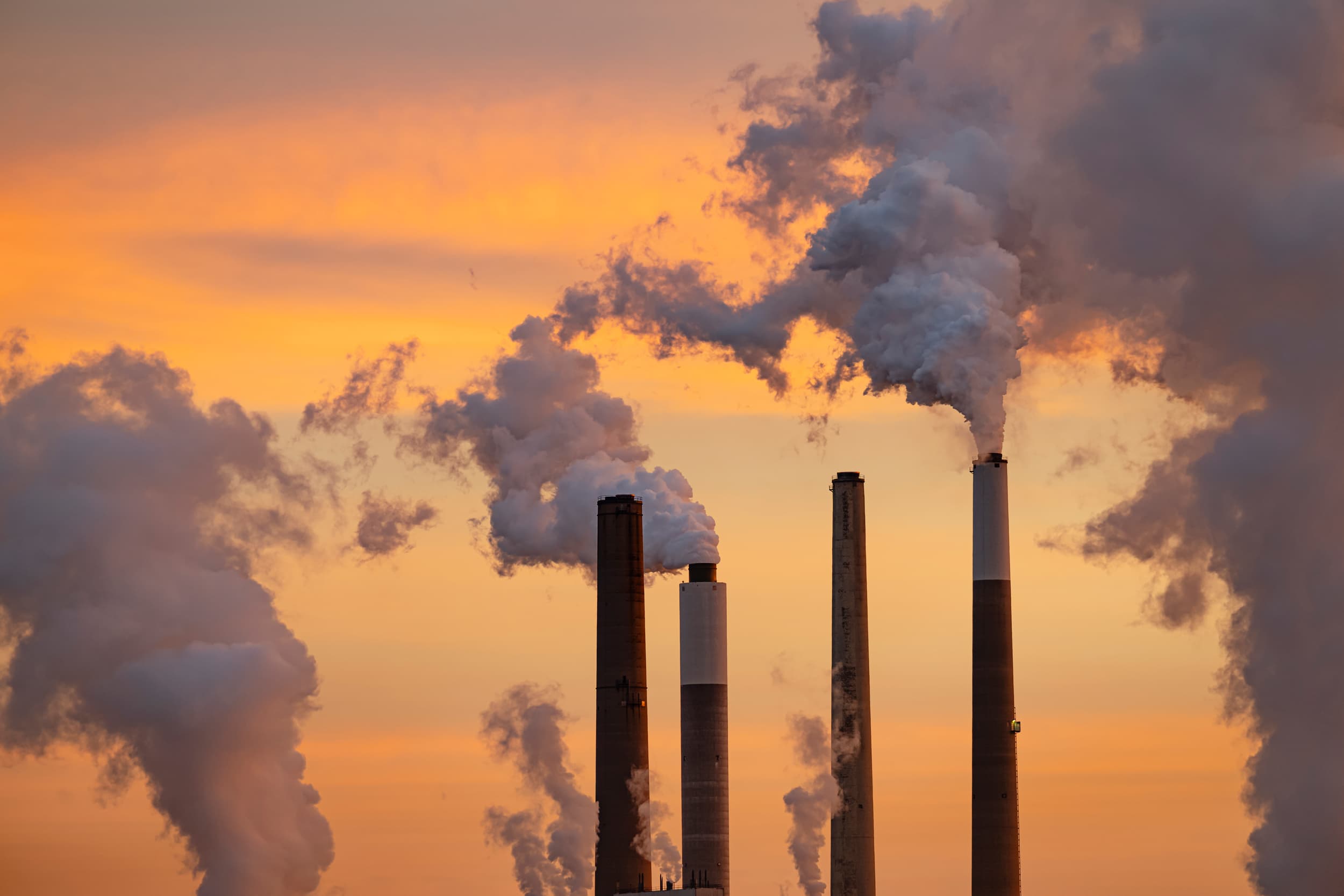
The recent rollback of critical Mercury and Air Toxics Standards by Donald Trump’s Environmental Protection Agency marks a significant regression in public health safeguards. This decision allows coal- and oil-fired power plants to emit higher levels of toxic pollutants, including mercury, arsenic, lead, and chromium, which pose severe health risks to the American population.
The Rise of Toxic Emissions
By reverting to 2012 standards, the Trump administration has effectively tripled the mercury emissions limits for the nation’s most polluting power plants. This move not only jeopardizes the health of millions but also contradicts the advancements made in environmental protection over the past decade. The Sierra Club has highlighted that these toxic pollutants are linked to increased rates of heart disease, lung disease, cancer, and neurological damage in children.
2030 Outlook: Health Risks Amplified
As we look towards 2030, the implications of this rollback are dire. The potential for increased health care costs associated with preventable illnesses will strain public resources. The rollback is seen as a direct benefit to the coal industry, which struggles to compete with the rising efficiency of renewable energy sources. This decision raises critical questions about the prioritization of industry profits over public health.
Legal and Activist Responses
The Sierra Club has already initiated legal action against the administration for what it deems unlawful exemptions granted to 68 power plants, further highlighting the contentious nature of this policy shift. Activist groups are poised to challenge these decisions vigorously, emphasizing the need for environmental protections that safeguard community health rather than bolster corporate interests.
Strategic Implications for Stakeholders
For stakeholders in the energy sector, particularly those invested in renewable energy, this represents a pivotal moment. The rollback of mercury protections may provoke a backlash from consumers and health advocates, potentially leading to increased demand for cleaner energy solutions. Companies that prioritize sustainability and public health may find new opportunities to capture market share as public sentiment shifts against polluting industries.
Conclusion: A Call to Action
As the debate over environmental standards intensifies, it is crucial for businesses and policymakers to recognize the long-term implications of these decisions. The end of robust mercury protections signals a turning point that could redefine public health policy and energy production in the coming years. Stakeholders must advocate for a future that prioritizes health and sustainability over short-term economic gains.
FAQ
The rollback significantly increases toxic emissions from power plants, posing severe health risks like heart disease, lung disease, cancer, and neurological damage. This decision prioritizes short-term industry profits over public health, potentially leading to increased healthcare costs and a consumer backlash that could benefit renewable energy companies as demand for cleaner solutions rises.
By weakening environmental regulations, the rollback offers a temporary advantage to coal and oil-fired power plants struggling against more efficient renewable energy. However, it also creates an opportunity for sustainable energy companies to gain market share by appealing to consumers and advocates concerned about public health and environmental impact.
The long-term economic consequences include escalating healthcare expenditures due to preventable illnesses, potential legal challenges from environmental groups, and a reputational risk for companies associated with polluting industries. Conversely, it may spur innovation and investment in cleaner energy technologies.
Activists and legal bodies, such as the Sierra Club, are expected to vigorously challenge these rollbacks through legal action and public advocacy. This opposition stems from the belief that the policy unlawfully favors corporate interests over essential public health and environmental safeguards.