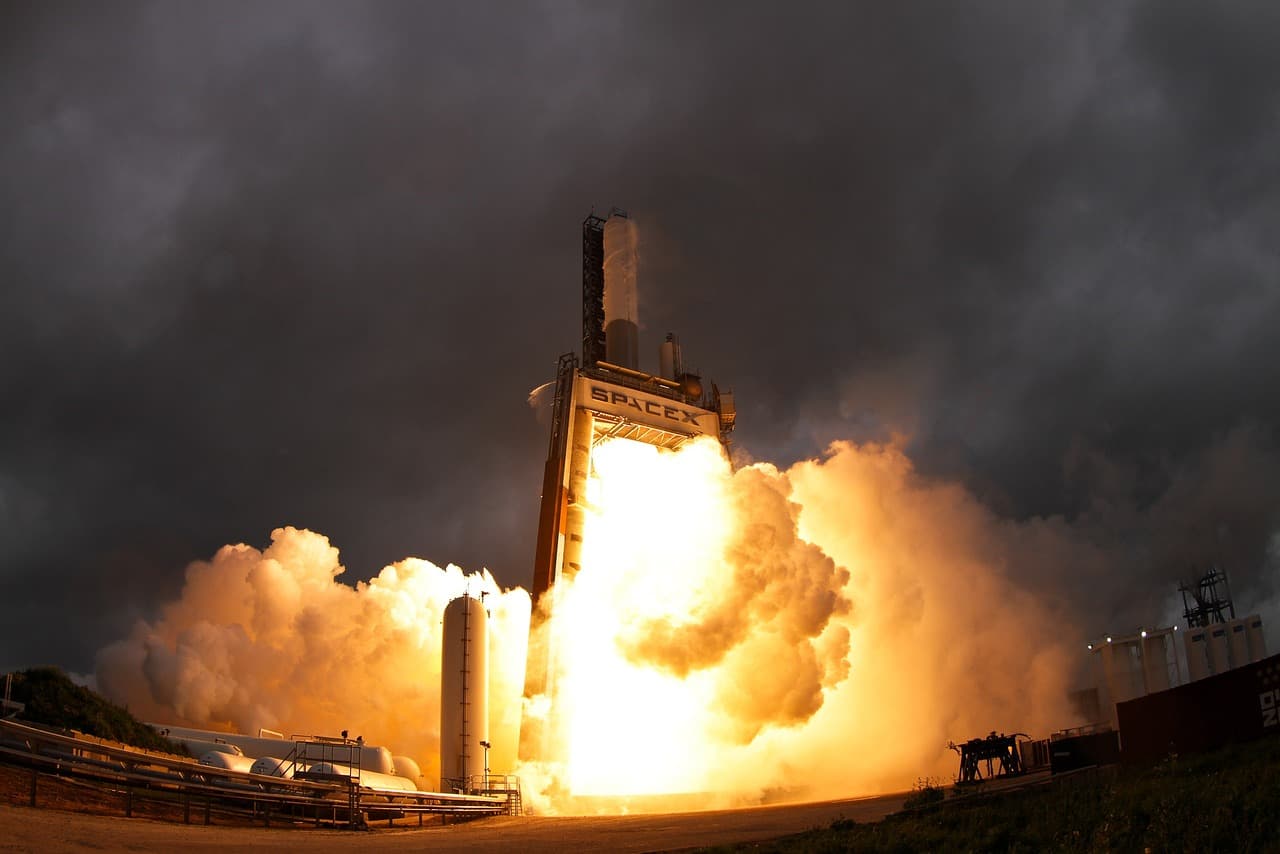
NASA's Methalox Explosion Tests: The End of Blanket Safety Zones?
NASA's methalox explosion tests, running from January to June 2025, are not just a technical exercise—they represent a strategic pivot in how launch safety is regulated. The current U.S. Space Force policy applies a blanket 100% TNT blast equivalency to all methalox propellants, forcing maximized keep-out zones that constrain launch cadence and pad density. Initial studies suggest these zones may shrink with more precise data, but the extent remains uncertain. For executives in the commercial space sector, this testing campaign will directly impact operational costs, launch frequency, and competitive positioning for years to come.
Why Methalox Is Different: The Physics of Risk
Methalox propellants—liquid methane and liquid oxygen—are highly miscible, meaning they mix readily and increase the likelihood of condensed phase detonations. These detonations produce significantly higher overpressures compared to other fuel-oxidizer combinations, such as RP-1/kerosene or hydrogen. This physical property is why the Space Force defaults to the most conservative safety model. However, the blanket approach may be overly cautious: not all failure modes produce the same explosive yield. NASA's tests are specifically examining transfer tube failures and breaches in the shared wall between propellant tanks—two scenarios that could produce lower or higher yields than the 100% TNT equivalency assumes.
Strategic Winners: SpaceX and Blue Origin
Firms with mature methalox engines—SpaceX (Raptor) and Blue Origin (BE-4)—stand to gain the most from evidence-based regulations. SpaceX has already expressed concerns that current safety zones impede adjacent operations at Cape Canaveral, where multiple pads operate in close proximity. If test data confirms lower explosive yields, safety zones could shrink, enabling tighter pad configurations and higher launch frequencies. For SpaceX, which aims for rapid reusability and high cadence, even a 10% reduction in keep-out radius could translate into dozens of additional launches per year. Blue Origin, with its New Glenn rocket, similarly benefits from streamlined operations at LC-36.
Strategic Losers: Smaller Competitors Face Compliance Hurdles
Smaller launch providers like Rocket Lab (Neutron) and Relativity Space (Terran R) are also developing methalox engines, but they lack the operational scale and financial buffers of incumbents. If the tests reveal higher risks, regulations could tighten, increasing compliance costs and extending development timelines. Even if zones shrink, the cost of adapting to new safety data—redesigning pad layouts, updating hazard analyses, and recertifying systems—may disproportionately burden smaller firms. This creates a two-tier market: established players with mature engines and deep pockets benefit from regulatory clarity, while emerging players face higher barriers to entry.
Regulatory Precedent: Independent Testing vs. Industry Data
NASA and the Space Force are conducting these tests independently, rather than relying solely on industry-provided data. This is a strategic move to maintain regulatory credibility and avoid conflicts of interest. The Commercial Space Federation has advocated for evidence-based regulations, and this testing campaign aligns with that goal. However, the government's cautious approach—emphasizing public safety over commercial efficiency—means that regulatory updates may lag behind test results. Executives should expect a phased rollout of new safety zones, with interim guidelines issued after the tests conclude in June 2025, followed by formal rulemaking in 2026.
Market Impact: From Blanket Rules to Risk-Based Zones
The shift from blanket 100% TNT equivalency to risk-based, data-driven safety zones will have profound market implications. Launch site operators can optimize pad layouts, reducing real estate costs and increasing throughput. Insurance underwriters will gain more accurate risk models, potentially lowering premiums for operators with proven safety records. Conversely, if tests confirm high explosion risks, insurance costs could rise, and launch providers may need to invest in additional containment infrastructure. The net effect is a more nuanced regulatory environment that rewards technical sophistication and safety data transparency.
Outlook & Next Steps: What to Watch
Over the next 30 days, monitor NASA's interim data releases and any public statements from the Space Force regarding safety zone adjustments. Key milestones include the completion of transfer tube failure tests (expected by April) and shared wall breach tests (May). If early data suggests lower yields, expect SpaceX and Blue Origin to lobby for expedited regulatory changes. Conversely, if risks are substantiated, smaller players may form coalitions to share compliance costs. The final report in June 2025 will set the stage for a new regulatory framework that could either accelerate or constrain the commercial space boom.
Final Take
NASA's methalox tests are a textbook case of how independent, data-driven regulation can reshape an industry. The winners will be those who adapt quickly—investing in safety data, engaging with regulators, and optimizing operations for a risk-based environment. The losers will be those who wait for rules to be handed down. For executives, the message is clear: the era of blanket safety zones is ending. Prepare for a future where safety is a competitive advantage, not just a compliance checkbox.
Rate the Intelligence Signal
Intelligence FAQ
NASA and the U.S. Space Force are testing to fill a critical data gap on blast hazards, ensuring safety protocols are based on empirical evidence rather than conservative estimates, which is essential as launch frequencies increase with methalox-powered vehicles.
Reduced safety zones would lower operational constraints, allowing for closer pad spacing and higher launch cadences, potentially cutting costs and accelerating timelines for companies like SpaceX and Blue Origin, but also requiring adjustments in risk management and insurance.
The outcomes will set precedents for how regulators assess emerging propellants, influencing safety standards globally and potentially shaping development priorities for next-generation engines beyond methalox.
 Spotify
 Apple
Apple Amazon
 YouTube