

Urban Resilience in the Face of Climate Change
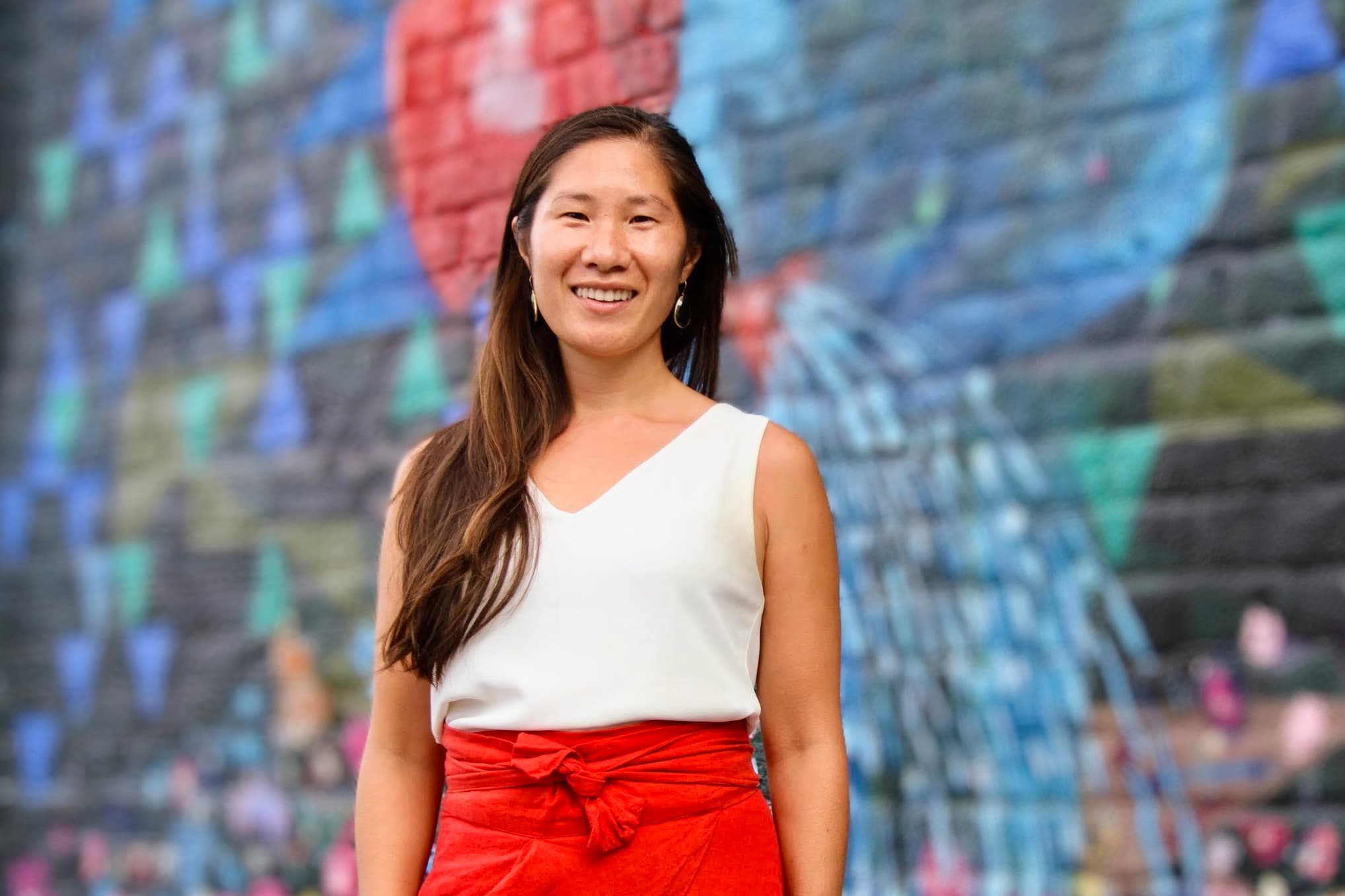
As climate change accelerates, urban centers like New York City face unprecedented challenges. The city is grappling with rising sea levels, increased frequency of extreme weather events, and the urgent need for sustainable infrastructure. The appointment of Louise Yeung as NYC's Chief Climate Officer is a pivotal moment in addressing these multifaceted challenges. Yeung's role is not just about compliance with environmental regulations; it is about transforming NYC into a model of climate resilience and sustainability.
The city's climate strategy must contend with a complex landscape of stakeholders, including local government agencies, private sector partners, and the community. Each entity has its own priorities and concerns, making collaboration essential. The urgency of the situation cannot be overstated: without immediate and strategic action, NYC risks significant economic and social repercussions. The city's GDP, which heavily relies on tourism and finance, could be adversely affected by climate-induced disruptions.
Strategic Framework: Louise Yeung's Vision for Climate Resilience
Louise Yeung brings a wealth of experience to her role, having previously worked on climate initiatives in both the public and private sectors. Her strategic framework focuses on three core pillars: mitigation, adaptation, and community engagement. Mitigation efforts will involve reducing greenhouse gas emissions through innovative technologies and policies. This includes the adoption of renewable energy sources, energy-efficient building codes, and sustainable transportation systems.
Adaptation strategies will focus on enhancing the city’s infrastructure to withstand climate impacts. This involves investing in green infrastructure, such as parks and green roofs, which not only help manage stormwater but also improve urban air quality. Yeung's approach emphasizes the importance of data-driven decision-making; leveraging technology to monitor climate risks and inform policy will be crucial. For example, the integration of IoT devices can provide real-time data on environmental conditions, enabling more responsive urban planning.
Community engagement is perhaps the most critical aspect of Yeung's strategy. By fostering collaboration between government, businesses, and residents, the city can build a more inclusive approach to climate action. This means not only informing the public about climate risks but also involving them in the decision-making process. Initiatives such as community workshops and participatory budgeting can empower residents to take an active role in shaping their environment.
Strategic Implications for Stakeholders: A Collaborative Future
The implications of Yeung's appointment extend beyond city government; they resonate across various sectors. For real estate developers, the push for sustainable building practices presents both challenges and opportunities. Adapting to new regulations and investing in green technologies may require upfront costs, but the long-term benefits—such as reduced operating expenses and increased property values—can yield substantial returns on investment.
For businesses, the focus on climate resilience can drive innovation. Companies that develop technologies for energy efficiency, waste reduction, and sustainable transportation stand to gain from increased demand. This trend is already evident in the rise of startups focused on clean tech solutions, which are attracting significant venture capital investment. The city's commitment to sustainability can create a favorable environment for these businesses to thrive.
Moreover, the financial sector has a vested interest in NYC's climate strategy. As climate risks become more pronounced, investors are increasingly scrutinizing the environmental impact of their portfolios. Financial institutions that align their investment strategies with sustainability goals will not only mitigate risk but also appeal to a growing base of socially conscious investors.
Finally, the community stands to benefit from a more sustainable urban environment. Improved air quality, enhanced public spaces, and increased resilience to climate impacts will contribute to a higher quality of life for residents. Yeung's focus on inclusivity ensures that the voices of marginalized communities are heard, helping to address historical inequities exacerbated by climate change.
In summary, Louise Yeung's leadership marks a significant turning point for NYC's climate strategy. By prioritizing mitigation, adaptation, and community engagement, she is setting the stage for a more resilient and sustainable urban future. Stakeholders across sectors must recognize the strategic importance of this initiative and actively participate in shaping the outcomes.
FAQ
NYC's climate strategy is built on three core pillars: mitigation (reducing greenhouse gas emissions through technology and policy), adaptation (enhancing infrastructure to withstand climate impacts), and community engagement (fostering collaboration and inclusive decision-making with residents and businesses).
Climate resilience is crucial for NYC's economy, particularly its reliance on tourism and finance. Proactive strategies can mitigate risks from climate-induced disruptions, while also creating opportunities for innovation in sectors like clean tech and sustainable real estate, potentially leading to reduced operating costs and increased property values.
Real estate developers face new regulations and opportunities to invest in green building practices, which can yield long-term returns. Businesses are encouraged to innovate in areas like energy efficiency and waste reduction, benefiting from increased demand and a favorable market environment driven by the city's sustainability commitment.
Community engagement is critical for building an inclusive approach to climate action. It involves informing residents about risks and actively involving them in decision-making through workshops and participatory budgeting. This ensures that the benefits of a sustainable urban environment are shared equitably and that the voices of all communities, especially marginalized ones, are heard.

