Executive Summary
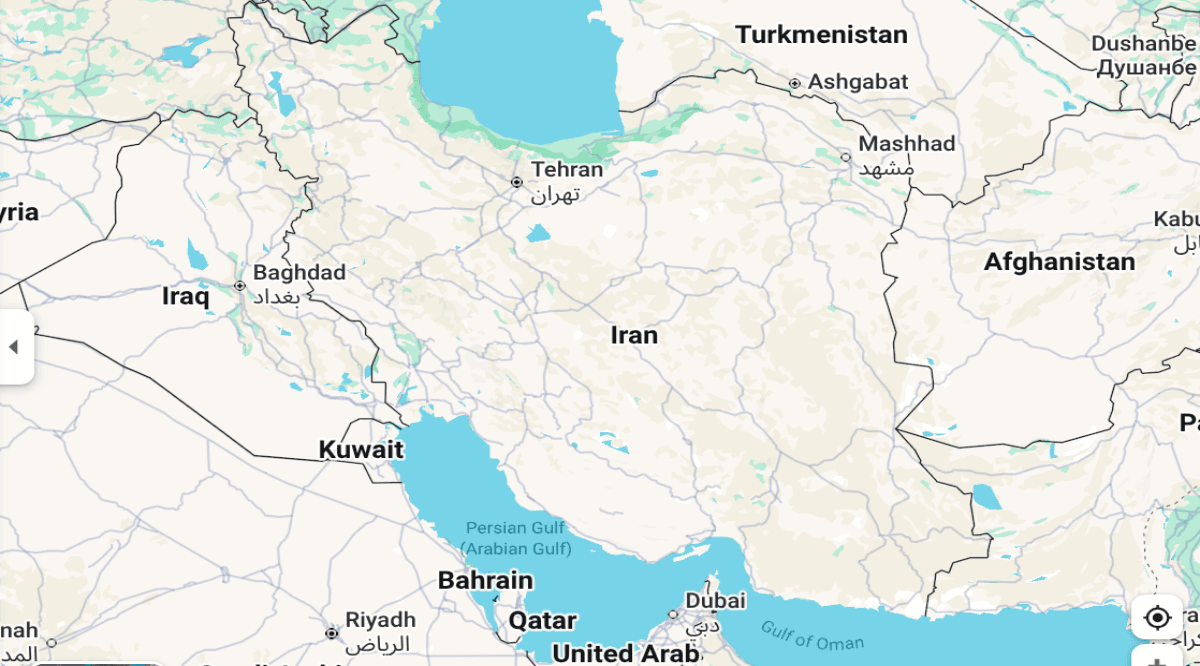
The recent joint military operation by the United States and Israel targeting Iran has ignited significant tensions in the global oil market. With Iran producing approximately 3.3 million barrels of oil daily, its strategic control over the Strait of Hormuz—through which about 20% of the world’s oil supply flows—poses a critical risk to global energy stability. As oil companies suspend shipments in response to the renewed conflict, the potential for disruption looms large, raising fears of escalating crude prices and market volatility.
Key Insights
- The US and Israel have initiated strikes against Iran, marking a pivotal moment in Middle Eastern geopolitics.
- Iran is responsible for nearly 3.3 million barrels of oil production per day, making it a significant player within OPEC.
- The Strait of Hormuz is a vital shipping route, with approximately 20% of global crude oil passing through it.
- Some oil companies have halted shipments in the Strait, indicating immediate supply chain disruptions.
- Iran has demonstrated resilience in its oil production, increasing output despite ongoing sanctions, primarily exporting to China.
Strategic Implications
Industry Impact
The military actions against Iran introduce immediate risks to the global oil industry. With the Strait of Hormuz being a critical chokepoint for oil shipments, any prolonged disruption could lead to significant increases in crude oil prices. The suspension of shipments by oil companies reflects heightened caution in the face of potential military escalation. Companies reliant on stable oil prices may face increased operational costs and supply chain challenges, particularly those engaged in transportation and refining.
Investor Risks and Opportunities
Investors in the oil market must navigate a landscape fraught with uncertainty. The immediate reaction to the strikes may lead to volatility in oil prices, presenting both risks and opportunities. Investors could see potential short-term gains from rising prices, but they must also consider the long-term implications of sustained conflict in the region. The potential for Iran to retaliate by threatening the closure of the Strait of Hormuz could create a scenario where oil prices spike dramatically, impacting global markets.
Competitive Landscape
Competitors within the oil sector may seek to capitalize on the uncertainty created by the US-Israel strikes. Countries such as Saudi Arabia and the UAE, which have alternative routes for oil transport, may experience increased demand as companies look to mitigate risks associated with shipping through the Strait of Hormuz. However, these nations must balance their production capabilities with the potential for geopolitical backlash, as they navigate the complexities of regional alliances and enmities.
Policy Considerations
The geopolitical ramifications of the US and Israel's military actions will likely prompt a reevaluation of energy policies among major global players. Countries dependent on Middle Eastern oil may seek to diversify their energy sources to reduce vulnerability to supply disruptions. Additionally, the international community may respond with diplomatic efforts to de-escalate tensions, though the effectiveness of such measures remains uncertain in light of the current hostilities.
The Bottom Line
The joint operation against Iran by the US and Israel marks a critical juncture in the global oil market, introducing substantial risks to supply chains and price stability. As tensions escalate, the strategic positioning of oil-producing nations and companies will be paramount in navigating the challenges ahead. The potential for disruption in the Strait of Hormuz could redefine energy dynamics, emphasizing the need for adaptive strategies in an increasingly volatile geopolitical landscape.
FAQ
The strikes heighten the risk of supply disruptions, potentially leading to increased oil prices.
Iran's production is significant, and its control over the Strait of Hormuz amplifies its impact on global oil supply.