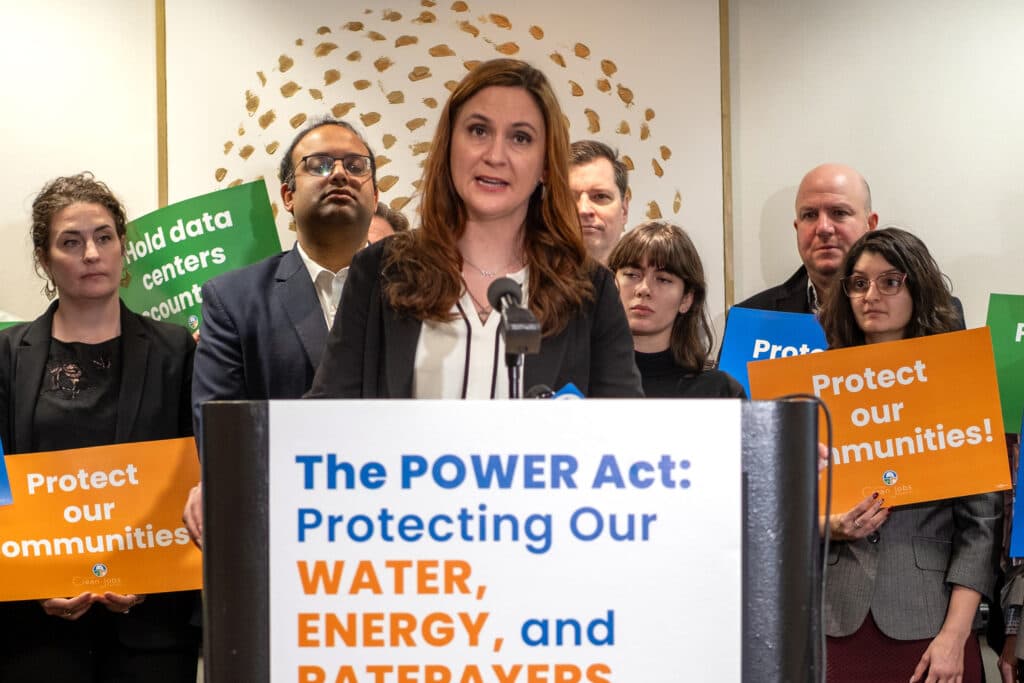

The POWER Act: A Strategic Pivot in Data Center Economics
Illinois is proposing a regulatory framework that directly challenges the data center industry's growth model. The POWER Act (Protecting Our Water, Energy, and Resources Act) mandates that data center operators bear the full cost of their energy and water consumption, shifting the burden from consumers and utilities. This is not a minor compliance update—it is a structural redefinition of the industry's cost base.
Data centers are projected to consume energy equivalent to 10 million cars by 2030 and as much water as 10 million Americans. The Union of Concerned Scientists estimates that unchecked data center growth could drive electricity system costs up by 15-24% by 2050. For executives, the question is no longer whether regulation will come, but how to position their portfolios for a world where environmental externalities are priced in.
Who Gains from the POWER Act?
Local Communities and Workforce Development
The bill mandates community benefits agreements, requiring data center developers to invest in local infrastructure and workforce training. For Illinois communities, this translates into direct economic stimulus—jobs, upgraded grids, and skills pipelines. This provision turns data center construction from a purely corporate endeavor into a public-private partnership with tangible local returns.
Clean Energy Providers and Technology Vendors
By incentivizing clean energy sourcing and limiting water use, the POWER Act creates a captive market for renewable energy developers, energy storage providers, and efficient cooling technology firms. Companies that can deliver low-carbon, low-water data center solutions will find Illinois a lucrative testing ground.
Consumers and Ratepayers
The bill aims to stabilize rising energy costs by preventing utilities from passing data center infrastructure costs to residential and small commercial customers. This protects consumers from the inflationary pressure of rapid data center expansion—a growing concern in states like Virginia and California.
Who Loses Under the POWER Act?
Data Center Developers and Operators
The immediate losers are data center companies facing higher compliance costs, longer permitting timelines, and operational constraints. The bill's requirements—community benefits agreements, clean energy mandates, water use limits—add layers of complexity to project development. For operators with thin margins or aggressive build-out schedules, Illinois may become less attractive.
States Competing for Data Center Investment
Illinois risks losing its competitive edge if the POWER Act deters investment. However, other states may also face pressure to adopt similar regulations, leveling the playing field. The strategic risk is that early-mover states like Illinois could become regulatory laboratories, while laggards attract short-term investment but face future compliance costs.
Fossil Fuel Energy Providers
The clean energy incentives in the bill directly reduce demand for fossil-fuel-based electricity. Coal and natural gas generators serving Illinois data centers will see declining revenue as operators shift to renewable sources.
Financial Implications: The Cost of Compliance
The financial landscape for data centers in Illinois is shifting. With energy demand expected to double, the costs associated with compliance to the POWER Act could lead to increased operational expenses. The Union of Concerned Scientists projects that data centers could drive electricity system costs up by 15-24% by 2050, translating to billions in health costs and climate damages if not managed properly.
For a typical 100 MW data center, compliance costs could include: renewable energy premiums (10-20% above grid average), water recycling systems (capital expenditure of $5-10 million), and community benefits contributions (1-3% of project cost). These add-ons could reduce project IRR by 200-400 basis points, making Illinois less competitive against states like Ohio or Texas.
Strategic Recommendations for Executives
Engage Proactively with Policymakers
Data center companies should not wait for the bill to pass. Proactive engagement with Illinois legislators to shape the final language—such as defining 'community benefits' or setting realistic clean energy timelines—can mitigate the most onerous provisions. Building coalitions with local business groups and environmental NGOs can also create a more balanced outcome.
Invest in Clean Technology Now
Operators should accelerate investments in on-site renewable generation, battery storage, and advanced cooling (e.g., liquid cooling, AI-optimized HVAC). These technologies not only align with the POWER Act's goals but also reduce long-term operational risk as energy prices rise. Early adopters will gain a cost advantage over competitors who delay.
Diversify Geographic Portfolio
While Illinois may become more challenging, other states are watching closely. Executives should model multiple regulatory scenarios and diversify their data center footprint to include states with stable or favorable policies. The goal is to avoid over-concentration in any single jurisdiction that could impose sudden cost shocks.
Monitor Legislative Developments
The POWER Act is likely to evolve through amendments and negotiations. Key indicators to watch: the final definition of 'community benefits,' the timeline for clean energy mandates, and any exemptions for existing facilities. Companies with Illinois exposure should assign a dedicated regulatory monitoring team.
Outlook: The Next 30 Days
In the next month, expect committee hearings and stakeholder testimony that will reveal the bill's political viability. Data center operators should submit formal comments and seek meetings with key sponsors. Meanwhile, renewable energy developers should begin positioning their offerings for Illinois data center clients. The outcome of the POWER Act will signal whether other states follow suit—making this a pivotal moment for the entire industry.
FAQ
The POWER Act aims to regulate the burgeoning data center industry by shifting the financial burden of significant energy and water consumption from consumers to data center companies. This will likely increase operational costs and may necessitate investments in cleaner energy and more efficient technologies to ensure compliance and maintain profitability.
Local communities stand to benefit from mandated investments in infrastructure and workforce training, while environmental advocates will see incentives for clean energy and reduced water usage. Consumers may experience stabilized energy costs. Conversely, data center developers face increased regulatory hurdles and potential delays, and the state risks diminished competitiveness if other regions offer a more favorable business environment.
The Act is expected to lead to increased operational expenses for data centers due to compliance costs. Projections suggest that unchecked data center growth could significantly drive up electricity system costs, potentially leading to billions in health and climate damages if not managed through regulations like the POWER Act.
Companies should proactively engage with local communities and policymakers to influence regulations favorably, invest strategically in renewable energy and water-efficient technologies to meet compliance and enhance their corporate responsibility image, and closely monitor legislative developments to adapt their business strategies accordingly.