
Geopolitical Dynamics and India's Defense Imperatives
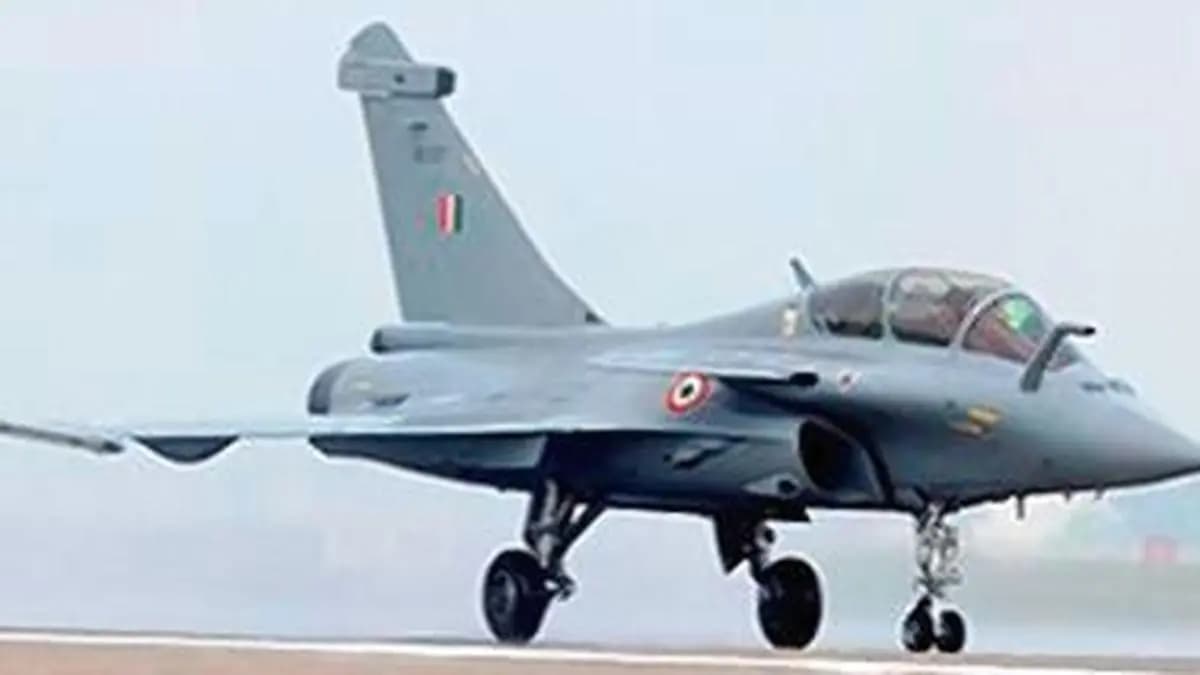
The recent approval of the ₹3.25 lakh crore deal for 114 Rafale fighter jets by India's Defence Acquisition Council (DAC) marks a significant pivot in the defense procurement landscape. As geopolitical tensions escalate in the Indo-Pacific region, the need for robust military capabilities has never been more pressing. This deal, which is expected to be formally announced during French President Emmanuel Macron's visit to India, not only enhances India's aerial combat capabilities but also solidifies its strategic partnership with France.
The backdrop of this acquisition is characterized by rising threats from regional adversaries, necessitating a comprehensive upgrade of India's military assets. The initial procurement of 36 Rafale jets in 2016 laid the groundwork for this expansion, showcasing India's commitment to modernizing its air force. The current deal not only aims to fortify India’s defense posture but also aligns with the broader objective of achieving self-reliance in defense manufacturing through initiatives like 'Make in India'. This strategic move is expected to bolster domestic production capabilities while enhancing India's standing in the global defense market.
Moreover, the deal is poised to reshape competitive dynamics within the global arms market, as nations reassess their defense strategies in light of emerging threats. India’s position as a key player in this market is set to strengthen, potentially influencing procurement decisions by other countries. The implications of this deal extend beyond immediate military enhancements, as it sets a precedent for future defense collaborations and procurement strategies.
Technological Superiority and Business Moats in Defense Procurement
The Rafale fighter jet, manufactured by Dassault Aviation, is distinguished by its advanced technology and multi-role capabilities. Its integration of cutting-edge avionics, superior stealth features, and versatility in mission execution provides a significant competitive edge. The aircraft's design allows for extensive customization, catering to the specific operational requirements of the Indian Air Force (IAF). This adaptability is crucial in a rapidly evolving defense environment, where the ability to respond to diverse threats is paramount.
Dassault Aviation has established a formidable technical moat through continuous innovation and significant investment in research and development. The Rafale's advanced weaponry, including precision-guided munitions, enhances its operational effectiveness, ensuring that it remains a top choice for air forces globally. The collaboration with India under the 'Make in India' initiative not only facilitates technology transfer but also positions India as a potential hub for Rafale production, which could yield substantial economic benefits and job creation.
This strategic partnership between India and France is indicative of a broader trend where defense contractors must innovate and adapt to remain competitive. As the demand for advanced fighter jets is expected to rise, competitors such as Boeing and Lockheed Martin will need to reassess their strategies in the Indian market. The successful execution of the Rafale deal could serve as a benchmark for future defense procurements, influencing how international manufacturers approach the Indian defense landscape.
Strategic Outlook: Implications for Stakeholders in the Defense Ecosystem
The approval of the Rafale fighter jet deal carries significant implications for various stakeholders within the defense ecosystem. For the Indian government, it reinforces a commitment to enhancing military capabilities in response to regional security challenges. The acquisition of advanced fighter jets will not only improve the IAF's operational readiness but also serve as a deterrent against potential adversaries, thereby contributing to national security.
From an economic perspective, this deal is likely to catalyze further investments in India's defense sector, attracting foreign direct investment (FDI) and fostering innovation in defense technology. The collaboration with Dassault Aviation could pave the way for future partnerships in other areas of defense technology, including unmanned aerial vehicles (UAVs) and advanced missile systems. This aligns with India's broader goal of achieving self-reliance in defense manufacturing, which is critical for long-term sustainability and growth.
In the global context, the Rafale deal positions India as a key player in the defense market, potentially influencing procurement decisions by other nations. As countries reassess their defense strategies amid shifting geopolitical dynamics, India's partnership with France could serve as a model for similar collaborations, enhancing France's standing as a leading defense exporter. This strategic alliance not only strengthens bilateral ties but also has the potential to reshape the global defense landscape.
In conclusion, the ₹3.25 lakh crore Rafale fighter jet deal represents a transformative milestone for India, with implications that extend beyond immediate military capabilities. It signifies a commitment to strengthening defense ties with France, fostering indigenization, and positioning India as a pivotal player in the global defense market.
FAQ
The acquisition of 114 Rafale jets significantly boosts India's aerial combat capabilities, addressing escalating geopolitical tensions and threats from regional adversaries. This enhances the Indian Air Force's operational readiness and serves as a crucial deterrent, reinforcing national security.
The deal is expected to catalyze significant investment in India's defense sector, attract Foreign Direct Investment (FDI), and foster innovation through technology transfer under the 'Make in India' initiative. It positions India as a potential hub for Rafale production, creating jobs and strengthening its standing in the global defense market.
This deal solidifies India's strategic partnership with France and positions it as a key player in the global defense market. It may influence procurement decisions by other nations and sets a precedent for future defense collaborations, potentially reshaping the global defense landscape and enhancing France's role as a defense exporter.
The Rafale offers advanced technology, including cutting-edge avionics, stealth features, and multi-role capabilities, providing a significant competitive edge. Its adaptability to specific operational requirements and advanced weaponry enhance its effectiveness, ensuring India maintains technological superiority in its air force.