
Regulatory Impacts on Telecom's Financial Landscape
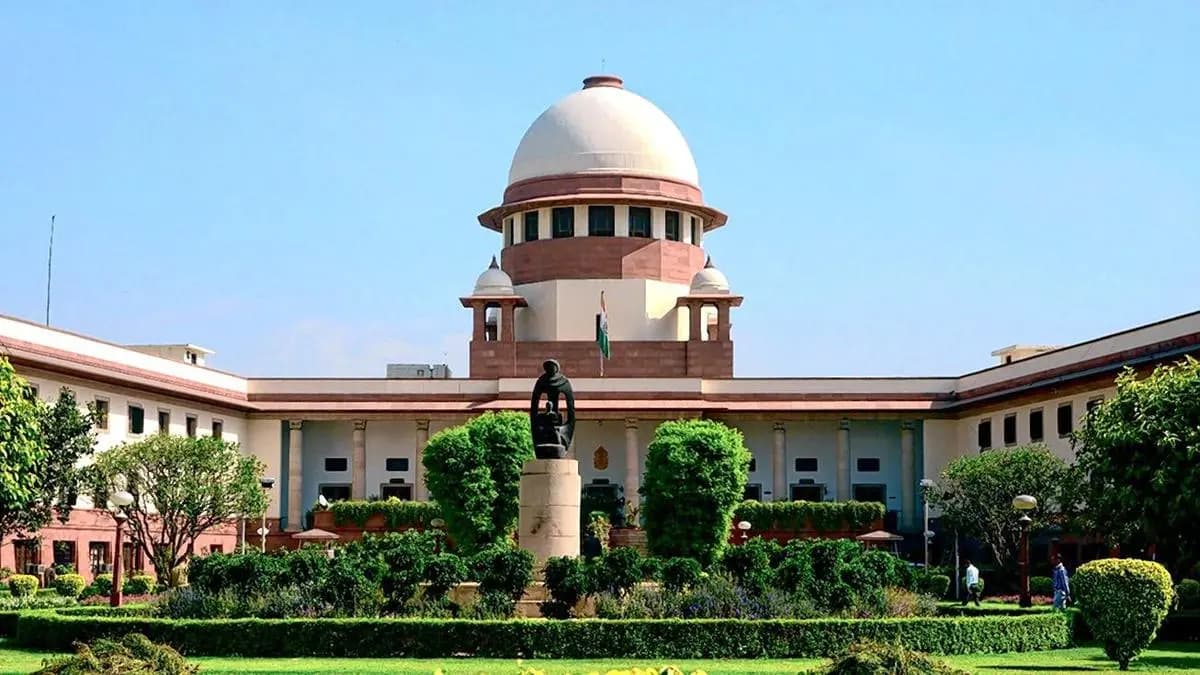
The recent Supreme Court ruling in India has created a seismic shift in the telecom sector, particularly concerning spectrum ownership and financial liabilities. This landmark decision clarified that spectrum cannot be classified as an asset under the Insolvency and Bankruptcy Code (IBC), which has significant implications for telecom service providers (TSPs) like Reliance Jio, Bharti Airtel, and Vodafone Idea. As TSPs grapple with substantial debts and fierce competition, the inability to leverage spectrum as a financial asset complicates their financial strategies and operational flexibility.
In a market characterized by high operational costs and intense rivalry, the ruling exacerbates the already challenging environment for TSPs. The classification of spectrum as a non-asset means that dues owed to the Department of Telecommunications (DoT) are not considered operational debts. As a result, TSPs may find it increasingly difficult to secure financing or restructure existing debts, which could stifle their growth trajectories and limit their ability to invest in essential infrastructure and technology upgrades.
With the rollout of 5G services on the horizon, the implications of this ruling are particularly concerning. Companies may adopt a more conservative approach to capital expenditures, delaying investments in network expansion and technological advancements. This could hinder not only their competitive positioning but also India's broader digital transformation agenda, which relies heavily on the successful deployment of next-generation technologies.
Strategic Business Moats in a Competitive Telecom Landscape
In the highly competitive telecom sector, companies must establish robust technical and business moats to differentiate themselves and maintain market share. Reliance Jio, a subsidiary of Reliance Industries, has emerged as a formidable player by leveraging advanced technologies such as cloud computing and artificial intelligence. This technological edge enhances network performance and customer experience, allowing Jio to offer competitive pricing while optimizing operational costs.
Conversely, Bharti Airtel has adopted a diversified approach, expanding its portfolio to include not only mobile services but also broadband and digital solutions. This diversification serves as a buffer against market volatility and regulatory challenges, providing Airtel with multiple revenue streams. The company's significant investments in fiber infrastructure position it as a leader in the broadband segment, catering to the growing consumer demand for high-speed internet.
Vodafone Idea, while facing financial strain, is pursuing strategic partnerships to enhance its service offerings. Collaborations with technology firms for innovative solutions and customer engagement strategies could provide a competitive advantage. However, the financial burdens stemming from regulatory dues and operational costs present significant hurdles in executing these strategies effectively.
As the technological landscape rapidly evolves, TSPs that successfully integrate 5G capabilities into their service offerings stand to gain a substantial edge. However, the Supreme Court ruling complicates this landscape, as companies may hesitate to invest heavily in new technologies without the ability to leverage spectrum as a financial asset. Thus, the competitive dynamics are shifting, and companies must be agile in adapting their strategies to navigate these challenges.
Strategic Outlook: Navigating the Future of Telecom
The implications of the Supreme Court's ruling extend far beyond immediate financial considerations; they will fundamentally shape the strategic direction of telecom companies in India. With spectrum not being recognized as an asset, TSPs face challenges in securing funding for future expansions or technological upgrades. This could lead to a slowdown in the rollout of 5G services, potentially stalling India's digital transformation agenda.
Moreover, the ruling may incentivize TSPs to explore alternative revenue models, such as partnerships with content providers or investments in digital services. As consumer preferences shift towards integrated digital experiences, telecom companies may need to pivot their strategies to focus on value-added services rather than solely on traditional telecom offerings. This shift could open new revenue streams and bolster customer loyalty in an increasingly competitive market.
Additionally, the ruling could catalyze increased consolidation within the telecom sector. Smaller players may struggle to compete, prompting potential mergers or acquisitions as companies seek to strengthen their market positions. This consolidation could reshape the competitive landscape, impacting pricing strategies and service delivery, ultimately benefiting consumers through enhanced offerings.
In conclusion, the Supreme Court's decision marks a pivotal moment for the Indian telecom sector. As companies navigate the complexities of spectrum ownership and financial liabilities, their ability to adapt and innovate will determine their future success. Stakeholders must remain vigilant to macro-trends and regulatory developments to strategically position themselves for growth in an evolving market.
FAQ
The ruling, which classifies spectrum as a non-asset under the IBC, significantly complicates debt restructuring and financing for telecom providers. This could lead to a more conservative approach to capital expenditures, potentially delaying investments in crucial infrastructure and 5G rollout, which in turn may impact India's digital transformation agenda.
Companies like Reliance Jio are leveraging advanced technologies (AI, cloud) for network performance and cost optimization. Bharti Airtel is diversifying into broadband and digital solutions, creating multiple revenue streams. Vodafone Idea is exploring strategic partnerships. However, the regulatory ruling complicates these strategies by limiting financial flexibility, potentially hindering investments in new technologies and service expansion.
The ruling may drive a pivot towards alternative revenue models, such as partnerships with content providers and investments in digital services, moving beyond traditional telecom offerings. It could also accelerate industry consolidation, with smaller players potentially merging or being acquired to strengthen market positions and navigate financial challenges.
By limiting telecom companies' financial flexibility and potentially slowing down investments in network expansion and technological upgrades like 5G, the ruling poses a risk to India's broader digital transformation agenda, which relies heavily on the successful and timely deployment of next-generation communication technologies.