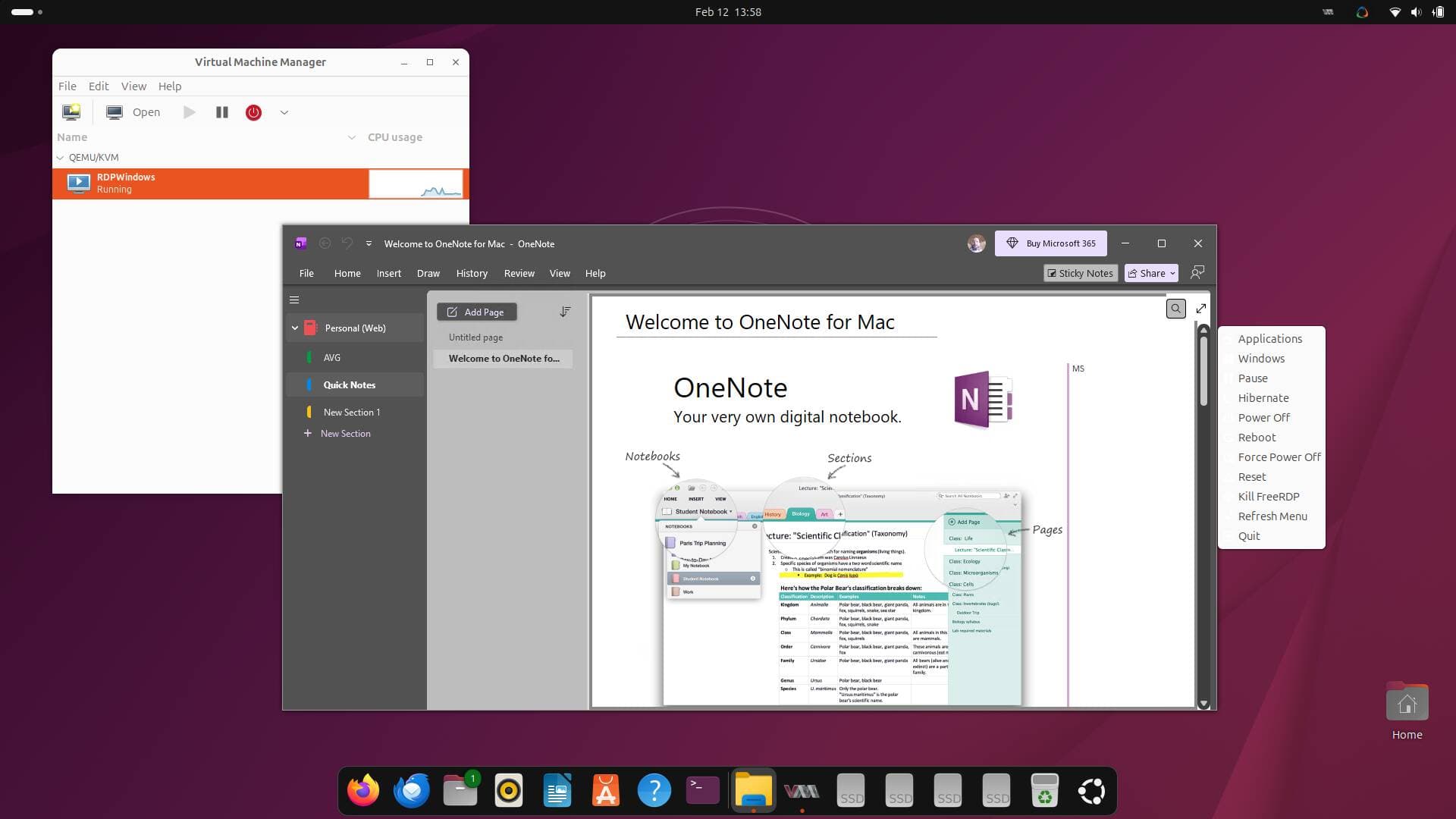

The Dual-OS Dilemma: A Costly Barrier for Businesses
In today’s fast-paced digital landscape, businesses are constantly seeking ways to enhance productivity while minimizing operational costs. The traditional reliance on dual-boot setups—where users toggle between Windows and Linux—has become a significant barrier. This approach not only complicates workflows but also incurs additional costs related to software licensing and maintenance. As organizations increasingly adopt Linux for its robust security and flexibility, the inability to seamlessly run Windows applications has posed a considerable challenge. This scenario is particularly pronounced in sectors such as software development, data analysis, and IT management, where specific Windows-based tools are essential for daily operations.
The dual-OS dilemma not only hampers productivity but also creates a fragmented user experience. Employees must navigate multiple environments, leading to inefficiencies and increased training costs. Moreover, the reliance on Windows applications can lock organizations into costly licensing agreements, further straining budgets. As businesses look for solutions that streamline operations and reduce overhead, the ability to run Windows applications directly on Linux presents a compelling case for transformation.
Bridging the Gap: The Technology Behind Seamless Integration
The emergence of advanced compatibility layers and virtualization technologies has revolutionized the way Linux users can access Windows applications. Tools such as Wine, Proton, and CrossOver allow users to run Windows software directly on Linux without the need for a full Windows installation. These solutions leverage a compatibility layer that translates Windows API calls into POSIX calls, enabling Linux to execute Windows applications as if they were native.
Wine, for instance, is an open-source compatibility layer that has been instrumental in this transition. It allows users to run a wide range of Windows applications on Linux, from productivity tools to complex software solutions. Proton, developed by Valve, extends this capability specifically for gaming, allowing titles that were previously unavailable on Linux to be played seamlessly. CrossOver, a commercial product based on Wine, provides additional support and optimizations for businesses that require reliable performance and technical assistance.
This technological shift not only enhances user experience but also creates a significant business moat for organizations adopting Linux. By eliminating the need for dual-boot setups, companies can reduce the complexity of their IT infrastructure, streamline software management, and lower operational costs. Furthermore, the ability to run Windows applications on Linux fosters an inclusive environment where teams can leverage the best tools for their specific needs, regardless of the operating system.
Strategic Implications: A New Era for IT Decision-Makers
The ability to run Windows applications on Linux has far-reaching implications for various stakeholders, particularly IT decision-makers and business leaders. For organizations, this capability represents a strategic advantage in terms of cost savings and operational efficiency. By adopting Linux as a primary operating system, businesses can reduce licensing fees associated with Windows, leading to significant savings over time.
Moreover, the flexibility of running Windows applications on Linux allows organizations to transition to open-source solutions without sacrificing functionality. This transition can lead to enhanced security, as Linux is less susceptible to malware and cyber threats compared to its Windows counterpart. As cyber threats continue to evolve, the security benefits of adopting Linux become increasingly appealing.
For software vendors and developers, this trend opens up new market opportunities. Companies can develop and optimize their applications for both Windows and Linux environments, expanding their user base and increasing revenue potential. Additionally, the growing popularity of Linux in enterprise settings may prompt more software vendors to consider cross-platform compatibility, further enhancing the ecosystem.
In conclusion, the ability to run Windows applications on Linux is not merely a technical advancement; it is a strategic imperative for organizations looking to enhance productivity, reduce costs, and improve security. As more businesses recognize the benefits of this seamless integration, we can expect a significant shift in the operating system landscape, with Linux emerging as a viable alternative for enterprises worldwide.
FAQ
By eliminating the need for costly dual-boot setups and reducing reliance on expensive Windows software licenses, businesses can achieve significant cost savings. This integration streamlines workflows, reduces IT infrastructure complexity, and minimizes employee downtime associated with switching between operating systems, leading to enhanced overall productivity.
Advanced compatibility layers like Wine, Proton, and commercial solutions like CrossOver translate Windows API calls to POSIX calls, allowing Windows applications to run natively on Linux. This enables a strategic shift towards Linux adoption without sacrificing essential Windows software functionality, leading to improved security, flexibility, and reduced vendor lock-in.
This capability offers enhanced security due to Linux's inherent resilience against malware. It fosters an inclusive environment where teams can use the best tools for their jobs, regardless of OS. Furthermore, it allows for a smoother transition to open-source solutions, reducing dependence on proprietary software and potentially opening new market opportunities for our own software development if we are a vendor.
Departments heavily reliant on specific Windows-based tools can now leverage the robust security and flexibility of Linux without compromising their essential workflows. This eliminates the productivity drain and complexity of dual-booting, allowing these teams to operate more efficiently and securely within a unified Linux environment.