
The AI Landscape: A Double-Edged Sword
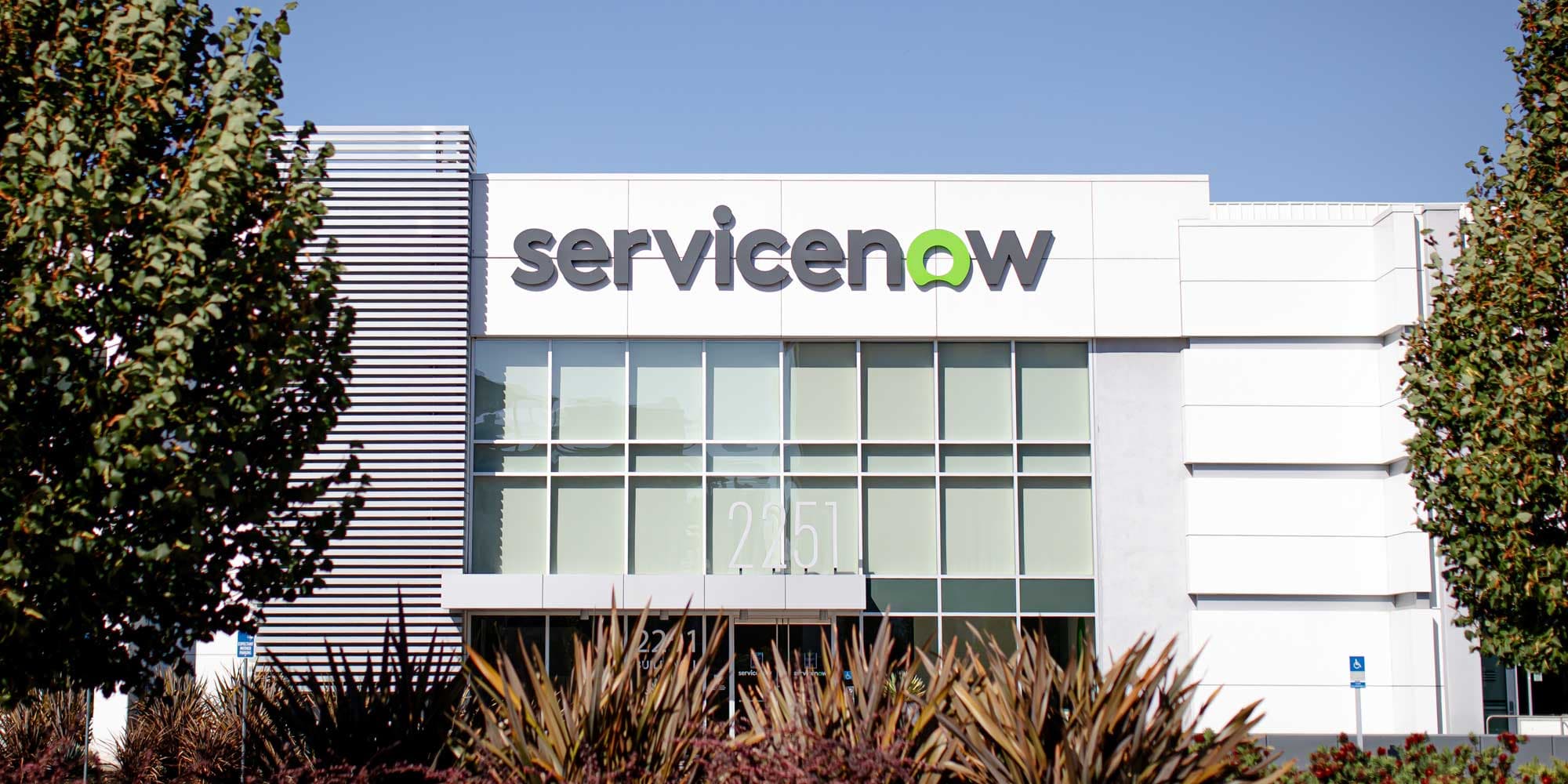
The rapid evolution of artificial intelligence (AI) technologies has created a competitive landscape where companies must continuously innovate to maintain relevance. ServiceNow, a cloud computing platform offering digital workflows for global enterprises, has recently acquired a small AI analytics firm to enhance its AI capabilities. While this acquisition may seem like a strategic move to bolster their offerings, it raises several critical questions regarding the underlying challenges of integrating AI into existing systems, the potential for increased latency, and the looming specter of vendor lock-in.
The enterprise software market is witnessing a surge in demand for AI-driven solutions, as organizations seek to automate processes and derive insights from vast amounts of data. However, the integration of AI into legacy systems can often lead to technical debt, where the costs of maintaining and upgrading systems outweigh the benefits of new capabilities. ServiceNow's acquisition may provide immediate enhancements, but the long-term implications of integrating these new AI capabilities into their existing architecture must be scrutinized.
Decoding the Acquisition: AI Integration Challenges
ServiceNow's strategy appears to hinge on the assumption that the acquired AI analytics firm's technology can seamlessly integrate into its existing platform. However, the reality of such integrations is often fraught with challenges. The technical stack of the acquired firm may not align perfectly with ServiceNow's architecture, leading to increased latency and performance issues. For instance, if the AI algorithms require substantial computational resources, this could strain ServiceNow's infrastructure, resulting in slower response times and diminished user experiences.
Moreover, the acquisition raises questions about the potential for vendor lock-in. By integrating proprietary AI technologies, ServiceNow may inadvertently create dependencies that make it difficult for clients to switch to alternative solutions in the future. This could limit flexibility for enterprises seeking to adapt their technology stacks as new AI advancements emerge. In an industry where agility is paramount, the risk of being tethered to a single vendor's ecosystem cannot be underestimated.
Furthermore, the technical debt associated with integrating new AI capabilities into existing workflows must be carefully managed. Organizations often find themselves grappling with outdated systems that are ill-equipped to handle modern AI demands. As ServiceNow expands its AI capabilities, it must ensure that its platform can accommodate the complexities of these new technologies without compromising performance or user satisfaction.
Strategic Implications for Stakeholders: Navigating the AI Terrain
The acquisition of an AI analytics firm by ServiceNow undoubtedly has implications for various stakeholders, including enterprise clients, competitors, and the broader technology ecosystem. For enterprise clients, the promise of enhanced AI capabilities could translate into improved operational efficiencies and better decision-making processes. However, they must also weigh the potential risks associated with vendor lock-in and technical debt.
Competitors in the enterprise software space will undoubtedly be monitoring ServiceNow's moves closely. The acquisition could serve as a wake-up call for other vendors to bolster their own AI capabilities or risk falling behind. However, it also opens the door for new entrants in the market, particularly those that can offer more flexible and interoperable solutions that mitigate the risks of vendor lock-in.
In the broader technology ecosystem, the acquisition underscores a growing trend of consolidation in the AI space. As larger companies acquire smaller firms to enhance their capabilities, the landscape may become increasingly dominated by a few key players. This could stifle innovation and limit choices for enterprises seeking tailored solutions to their specific needs.
Ultimately, while ServiceNow's acquisition may provide immediate benefits in terms of enhanced AI capabilities, the long-term implications must be carefully navigated. Stakeholders must remain vigilant about the potential pitfalls of integration, latency issues, and the risk of vendor lock-in. As the AI landscape continues to evolve, the ability to adapt and innovate will be critical for all players involved.
FAQ
The primary strategic risks include potential integration challenges leading to increased latency and performance degradation, the risk of vendor lock-in for clients due to proprietary AI technologies, and the exacerbation of technical debt if new AI capabilities are not seamlessly integrated into existing systems.
Enterprise clients may benefit from enhanced operational efficiencies and improved decision-making through advanced AI capabilities. However, they must also consider the potential downsides of vendor lock-in, which could limit future flexibility, and the possibility of performance issues if integration is not optimal.
The acquisition signals a trend of consolidation in the AI space, potentially pressuring competitors to enhance their own AI offerings. It also creates opportunities for agile, interoperable AI solution providers who can offer alternatives to proprietary ecosystems, and may lead to a more concentrated market dominated by larger players.