
Revolutionizing Agricultural Practices Amidst Climate Challenges
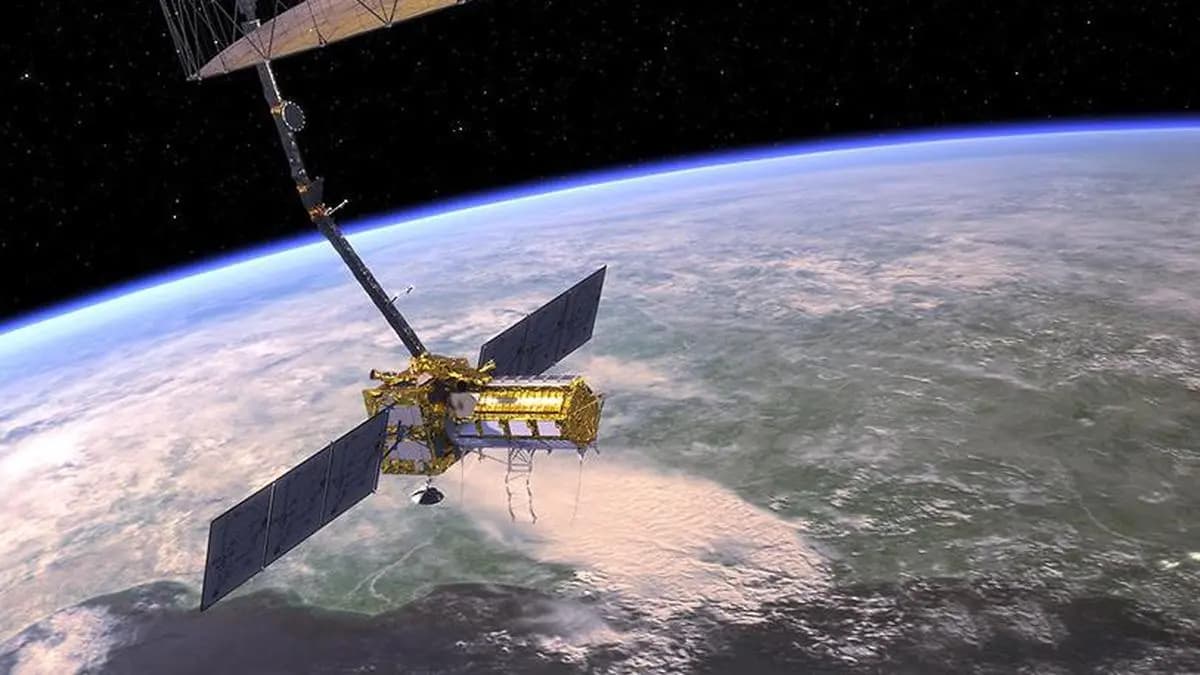
India's agricultural sector, a cornerstone of its economy, employs nearly half of the nation's workforce and significantly contributes to GDP. However, it faces mounting challenges, including erratic rainfall patterns, climate change, and a burgeoning population demanding increased food production. The recent launch of the NASA-ISRO Synthetic Aperture Radar (NISAR) mission represents a transformative opportunity to address these challenges through the provision of precise soil moisture data. With the capability to deliver 100 million soil moisture data points every 13 days, this initiative is not just a technological leap; it is a strategic pivot towards sustainable agricultural practices and enhanced water management.
Soil moisture is a critical determinant of crop health, influencing irrigation needs and drought resilience. The timely access to accurate soil moisture data empowers farmers to make informed decisions, optimizing water usage and improving crop yields. In a country where agriculture is often at the mercy of unpredictable weather, the ability to monitor soil conditions can mitigate the adverse effects of droughts, which have historically led to severe economic downturns. The NISAR mission aligns with the Indian government's objectives of achieving food security and sustainable agricultural growth, making it a pivotal player in the future of Indian agriculture.
Leveraging Advanced Technology for Competitive Advantage
The NISAR mission is a collaborative effort between NASA, known for its extensive experience in satellite technology and Earth observation, and the Indian Space Research Organisation (ISRO), which tailors space missions to the Indian context. This partnership creates a formidable technical moat, enhancing the reliability and accuracy of the data collected. By integrating advanced satellite technology with local agricultural needs, the NISAR mission is positioned to revolutionize how soil moisture data is utilized across the agricultural landscape.
From a business perspective, the data generated by NISAR is ripe for monetization through various channels. Agricultural technology firms, government agencies, and research institutions can harness this data to develop advanced analytics, predictive modeling, and decision-support systems. The scalability potential is significant; as awareness of the value of soil moisture data grows, demand for related services and products is expected to surge, fostering a robust ecosystem around precision agriculture.
Moreover, the integration of soil moisture data with complementary technologies such as IoT devices and AI-driven analytics can create a comprehensive agricultural management system. This convergence offers farmers real-time insights, enabling them to respond swiftly to changing conditions, thereby enhancing their resilience against climate variability. Companies that can effectively harness this data for actionable insights will position themselves at the forefront of the agricultural sector, gaining a competitive edge that translates into increased market share and quarterly growth.
Strategic Implications for Stakeholders and Market Dynamics
The implications of the NISAR mission extend beyond immediate agricultural benefits. As India seeks to enhance its position in the global agricultural market, high-quality soil moisture data will be critical in boosting productivity and competitiveness. This initiative aligns with macro-trends toward sustainable agriculture, where data-driven decision-making is increasingly vital. The ability to monitor and manage soil moisture effectively can help mitigate risks associated with extreme weather events, making the NISAR mission a strategic investment in the future of food security in India.
For stakeholders in the agricultural value chain, the NISAR mission presents significant opportunities. Agri-tech companies can develop innovative solutions that integrate soil moisture data into their offerings, capturing a substantial share of the growing precision agriculture market. Research institutions can leverage the data for advancements in crop varieties that are more resilient to drought and water scarcity, further enhancing the sustainability of Indian agriculture. Additionally, government agencies can utilize the insights gained from NISAR data to inform policies aimed at sustainable water management, leading to better resource allocation and reduced environmental impact.
As agricultural practices evolve, the demand for precision agriculture tools and services is expected to rise. This trend presents substantial opportunities for businesses involved in agri-tech, data analytics, and satellite technology. Companies that can effectively integrate NISAR data into their offerings will likely capture a significant market share, driving quarterly growth and enhancing overall market positioning. In conclusion, the NISAR mission represents a transformative opportunity for India’s agricultural landscape, enabling stakeholders to enhance productivity, ensure sustainable practices, and contribute to the nation’s economic resilience.
FAQ
The NISAR mission provides a strategic advantage by delivering precise, high-frequency soil moisture data. This empowers farmers with actionable insights for optimized water usage, improved crop yields, and enhanced drought resilience, directly addressing climate challenges and supporting the government's food security and sustainable agriculture goals.
The NISAR mission creates significant business opportunities for agri-tech firms, data analytics companies, and technology providers. These opportunities include developing advanced analytics, predictive modeling, decision-support systems, and integrated agricultural management solutions, capitalizing on the growing demand for precision agriculture and data-driven insights.
Stakeholders can leverage NISAR data by integrating it into their existing offerings to develop innovative solutions. Agri-tech companies can enhance their precision agriculture services, research institutions can advance drought-resilient crop development, and government agencies can inform water management policies, all contributing to increased productivity, market share, and economic resilience.