

The Electric Vehicle Paradigm Shift in Sweden
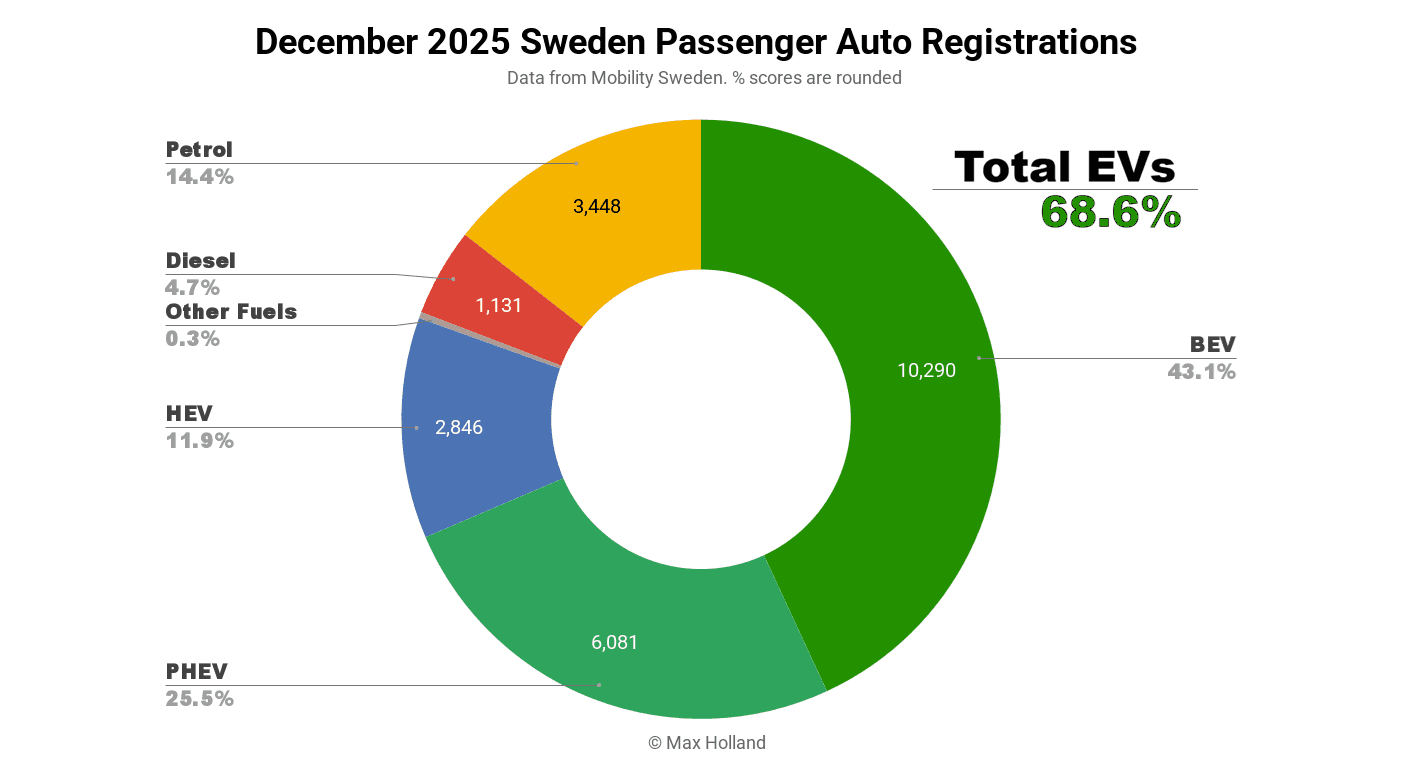
As of 2025, Sweden's electric vehicle (EV) market has reached an impressive 63.2% penetration, positioning the country as a leader in the European transition to sustainable transportation. This remarkable growth has been largely driven by the increasing adoption of plug-in hybrid electric vehicles (PHEVs), with Volvo's EX40 emerging as the frontrunner in sales. The significance of this shift extends beyond mere statistics; it signals a profound transformation in consumer preferences, regulatory frameworks, and competitive dynamics within the automotive industry.
Sweden's aggressive push towards electrification has been fueled by a combination of government incentives, stringent emissions regulations, and a cultural commitment to sustainability. The Swedish government has implemented various policies aimed at reducing carbon emissions, including tax breaks for EV purchases and investments in charging infrastructure. These initiatives have created a conducive environment for consumers to transition to electric mobility, thereby accelerating market growth.
Volvo, a stalwart in the automotive sector, has strategically positioned itself to capitalize on this trend. The company's EX40 model, which combines advanced technology with sustainability, has resonated with consumers looking for environmentally friendly transportation options without compromising on performance. This success is a testament to Volvo's commitment to innovation and its ability to adapt to changing market demands.
Decoding the Mechanisms Behind EV Adoption
The rise of Sweden's EV market is not merely a result of favorable policies; it is also indicative of a broader technological evolution within the automotive industry. At the heart of this transformation lies the integration of advanced technologies that enhance the performance and appeal of electric vehicles. Key among these are battery technology, software integration, and charging infrastructure.
Battery technology has seen significant advancements, resulting in increased energy density, reduced charging times, and improved overall vehicle range. This has alleviated consumer concerns regarding the practicality of EVs, making them a more attractive option for everyday use. Furthermore, the development of fast-charging stations across Sweden has addressed range anxiety, allowing consumers to recharge their vehicles conveniently and efficiently.
Software integration plays a crucial role in enhancing the user experience. Modern EVs, including the Volvo EX40, are equipped with sophisticated software systems that provide real-time data on battery performance, charging status, and navigation. This level of integration not only improves the driving experience but also enables manufacturers to gather valuable data on consumer behavior, which can inform future product development.
Moreover, the competitive landscape within the automotive sector is evolving rapidly. Traditional automotive giants are facing increasing pressure from new entrants and tech companies that are innovating at a pace that challenges established norms. Companies like Tesla have set a high bar for performance and technology, pushing incumbents to rethink their strategies and invest heavily in R&D. In this context, Volvo's ability to maintain its market position hinges on its commitment to innovation and sustainability.
Strategic Implications for Stakeholders in the EV Ecosystem
The implications of Sweden's burgeoning EV market extend across various stakeholders, including automotive manufacturers, technology providers, policymakers, and consumers. For automotive manufacturers, the shift towards electrification necessitates a reevaluation of product portfolios and supply chain strategies. Companies must invest in R&D to enhance battery technology and expand their EV offerings, ensuring they remain competitive in an increasingly crowded marketplace.
Technology providers stand to benefit significantly from this transition. As the demand for EVs grows, so too does the need for advanced software solutions, charging infrastructure, and battery management systems. Companies specializing in these areas will find ample opportunities for growth, particularly as governments continue to invest in sustainable transportation initiatives.
Policymakers play a critical role in shaping the future of the EV market. Continued support for EV adoption through incentives and infrastructure development will be essential in maintaining momentum. Additionally, regulations that promote sustainable practices will further drive innovation within the automotive sector, ensuring that Sweden remains at the forefront of the global transition to electric mobility.
For consumers, the rise of the EV market presents an opportunity to embrace sustainable transportation options that align with their values. As the technology matures and becomes more accessible, consumers will benefit from a broader range of choices, competitive pricing, and enhanced performance features.
In conclusion, Sweden's EV market is not just a localized phenomenon; it represents a broader shift towards sustainable transportation that has far-reaching implications for various stakeholders. As the landscape continues to evolve, strategic agility will be paramount for companies looking to capitalize on this transformative trend.
FAQ
Sweden's impressive 63.2% EV penetration is driven by a combination of government incentives, stringent emissions regulations, and a cultural commitment to sustainability, with PHEVs and models like Volvo's EX40 leading sales. For manufacturers, this signifies a critical need to align product portfolios and R&D with electrification, focusing on advanced battery technology and software integration to meet evolving consumer preferences and regulatory demands.
Significant advancements in battery technology (increased energy density, faster charging, longer range) and the expansion of fast-charging infrastructure are directly addressing consumer concerns about practicality and range anxiety. This creates substantial growth opportunities for technology providers in areas like battery management systems, charging solutions, and sophisticated EV software.
The competitive landscape is rapidly evolving with new entrants and tech companies challenging traditional automakers. Established players like Volvo must maintain their market position by demonstrating a strong commitment to continuous innovation, particularly in sustainable technologies and user experience through advanced software integration, to keep pace with the accelerated R&D cycles set by disruptors.
Policymakers are crucial for maintaining Sweden's EV momentum through continued incentives and infrastructure investment, as well as regulations promoting sustainability. This proactive policy environment not only drives consumer adoption but also incentivizes innovation across the automotive sector, positioning Sweden as a leader in the global sustainable transportation transition.

