
Executive Summary
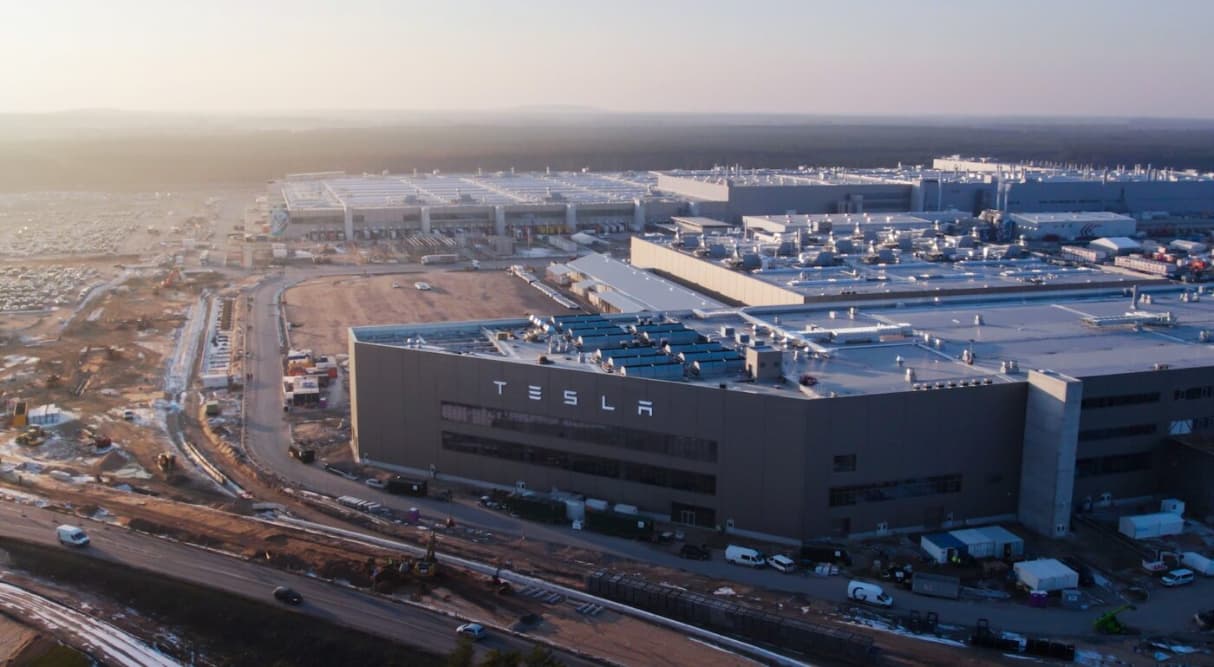
Tesla's Gigafactory in Grünheide, Germany, is reportedly operating at less than 40 percent of its intended capacity, raising alarms about its viability and future expansion in the European market. This operational downturn is juxtaposed against a backdrop of increasing union activity, particularly from IG Metall, which is seeking to gain control over the works council at the facility. The tension between Tesla's management, led by CEO Elon Musk, and the union reflects broader conflicts between American corporate practices and European labor traditions. The implications of this situation could reverberate through Tesla's operational strategy, investor confidence, and competitive positioning in Europe.
Key Insights
- Production at Tesla's Grünheide factory reportedly fell to 149,040 vehicles in 2025, a significant decline from previous years.
- Management disputes these figures, claiming production exceeded 200,000 vehicles, despite a public acknowledgment of challenges related to union influence.
- Elon Musk has publicly stated that while the factory will not close, expansion plans may be contingent upon maintaining a non-unionized environment.
- IG Metall's push for union representation is seen as a critical factor that could influence Tesla's operational decisions and labor relations.
- Worker dissatisfaction has been reported, with complaints about management's responsiveness and working conditions.
Strategic Implications
Industry Impact
The reported production issues at the Grünheide facility could signal a broader trend impacting Tesla's operational efficacy in Europe. With the factory designed for an output of over 375,000 vehicles annually, the current utilization rate of approximately 40 percent raises significant concerns about resource allocation and operational efficiency. This underperformance not only affects Tesla's ability to meet demand but also places it at a competitive disadvantage against other automakers, particularly as European consumers increasingly turn to alternatives, including those from Chinese manufacturers like BYD.
The decline in production output is compounded by a noted decrease in overall Tesla sales in Europe, with a reported 9.1 percent drop in 2025. This trend suggests that Tesla's market share may be eroding in a region where it has historically been a leader in electric vehicle sales. As competition intensifies, the need for Tesla to address these operational challenges becomes paramount to safeguard its market position.
Investor Risks and Opportunities
For investors, the situation at Grünheide presents both risks and opportunities. The operational challenges highlighted by the production capacity issues could lead to decreased investor confidence if not addressed promptly. A factory operating at such low capacity may not only impact short-term profitability but could also hinder long-term growth prospects in the European market.
Conversely, the ongoing investments in battery cell production and the potential for future increases in output could present opportunities for recovery and growth. If Tesla can successfully navigate the unionization efforts and enhance production efficiency, it may strengthen its position in the European market. Investors should closely monitor developments related to labor relations and production metrics, as these will be critical indicators of Tesla's operational health and market competitiveness.
Competitive Landscape
The competitive landscape for electric vehicles in Europe is rapidly evolving, with traditional automakers and new entrants alike ramping up their electric offerings. Tesla's challenges at Grünheide come at a time when other manufacturers are aggressively pursuing market share, particularly in the battery-electric vehicle segment. The recent performance of the BYD Seal U, which has outperformed the Tesla Model Y in certain markets, underscores the necessity for Tesla to enhance its production capabilities and address labor relations effectively.
As Tesla grapples with these internal challenges, competitors are likely to capitalize on any perceived weakness. The outcome of the union vote and subsequent labor relations developments will be pivotal in determining Tesla's ability to maintain its competitive edge in a market that is increasingly favoring collaborative labor practices and worker representation.
Policy Considerations
The ongoing tensions between Tesla and IG Metall highlight significant policy implications regarding labor relations in the German automotive sector. The German tradition of strong labor representation contrasts sharply with Musk's libertarian approach to management, creating a potential flashpoint that could influence broader corporate governance practices in the region.
Policy makers in Brandenburg have expressed a desire for Tesla to engage in collective bargaining and improve working conditions. The outcome of the union vote could set a precedent for how foreign companies operate within Germany's labor framework, impacting not only Tesla but also other multinational corporations seeking to establish or expand their presence in Europe. A failure to adapt to these expectations could result in increased scrutiny and regulatory challenges for Tesla, further complicating its operational landscape.
The Bottom Line
The current crisis at Tesla's Grünheide factory represents a critical juncture for the company as it navigates operational challenges, labor relations, and competitive pressures in the European market. The tension between management and labor, coupled with declining production capacity, poses significant risks to Tesla's growth trajectory in a region where it has historically been a leader. The outcome of the union vote and the company's response to these challenges will be pivotal in determining its future success in Europe. Stakeholders must remain vigilant as developments unfold, as they will have lasting implications for Tesla's operational strategy and market positioning.
 Spotify
 Apple
Apple Amazon
 YouTube