
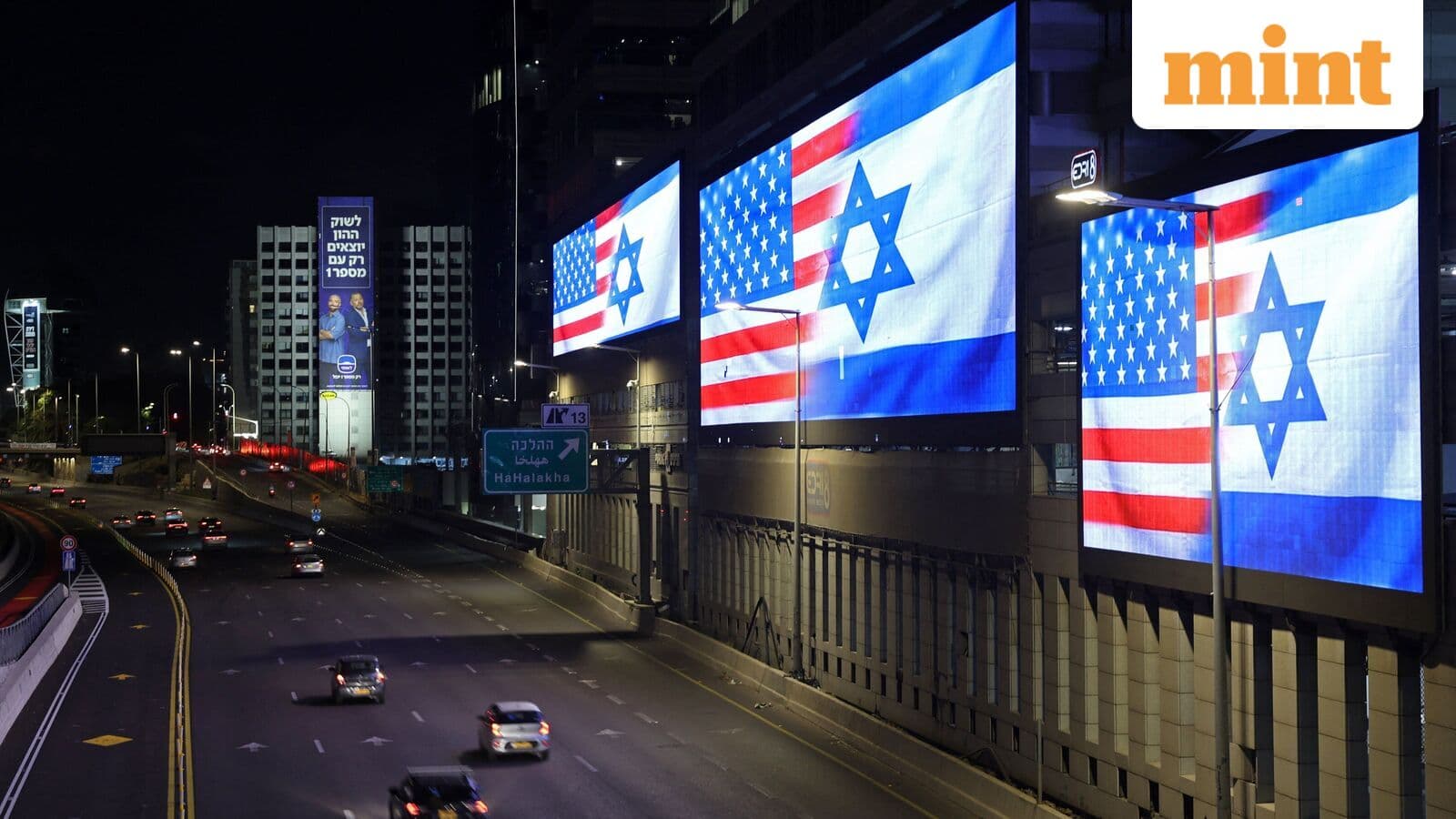

Executive Summary
The conflict involving the US, Israel, and Iran has entered a critical phase, intensifying after the launch of Operation Epic Fury. This military campaign has seen significant escalations, including the targeted elimination of Iran's Supreme Leader and extensive strikes on Iranian military infrastructure. As the hostilities continue, the implications for global energy markets, regional stability, and international relations are profound. The situation remains precarious, with the potential for further escalation affecting not only the immediate participants but also global economic resilience.
Key Insights
- The US and Israel have launched Operation Epic Fury, targeting nearly 2,000 sites in Iran, including military and nuclear infrastructure.
- The conflict has resulted in the death of over 1,045 individuals, including six US soldiers, highlighting the human cost of the hostilities.
- Iran has retaliated with missile strikes aimed at Israel, escalating the conflict further and increasing regional tensions.
- Energy prices have surged due to instability in the Strait of Hormuz, a critical maritime chokepoint for global oil supply.
- The US Senate has allowed President Trump's military operations to continue without additional oversight, signaling a commitment to ongoing military engagement in the region.
Strategic Implications
Industry Impact
The ongoing conflict is catalyzing significant disruptions in various industries, particularly energy. The Strait of Hormuz, a vital passage for global oil shipments, is now a contested zone, raising fears of supply chain interruptions. As Iran asserts control over this strategic waterway, the potential for increased shipping costs and energy price volatility looms large. Companies reliant on stable energy supplies must prepare for potential disruptions, adjusting their operational strategies accordingly.
Investor Risks and Opportunities
For investors, the current geopolitical climate presents both risks and opportunities. The volatility in energy markets may create short-term trading opportunities, particularly for those positioned in oil and gas sectors. However, the overarching uncertainty surrounding military engagements and potential escalations poses a significant risk to long-term investments. Investors must stay informed about developments in the region and consider diversifying their portfolios to mitigate exposure to geopolitical risks.
Competitive Landscape
The conflict is reshaping the competitive dynamics in the Middle East and beyond. Countries such as the UAE, Qatar, and Turkey are actively intercepting Iranian missile threats, indicating a shift in regional alliances and defense strategies. This evolving landscape may lead to new partnerships and collaborations among nations seeking to counter Iranian influence. Additionally, defense contractors and military technology firms may see increased demand for advanced systems as nations bolster their military capabilities in response to the conflict.
Policy Considerations
Policymakers are facing mounting pressure to respond to the escalating conflict. The IMF has indicated that global economic resilience is being tested, urging leaders to consider the broader implications of prolonged hostilities. The potential for increased inflation and market instability necessitates a coordinated international response to stabilize the situation. Policymakers must balance military engagement with diplomatic efforts to de-escalate tensions and prevent further deterioration of regional stability.
The Bottom Line
The US-Israel-Iran conflict represents a significant turning point in Middle Eastern geopolitics, with far-reaching implications for global stability. As military operations continue, the stakes are high for all involved parties. Companies and investors must navigate this complex landscape, adapting their strategies to mitigate risks while seizing potential opportunities. The broader international community must also engage in diplomatic efforts to address the underlying tensions, as the cost of inaction could lead to a more protracted and destabilizing conflict.


