
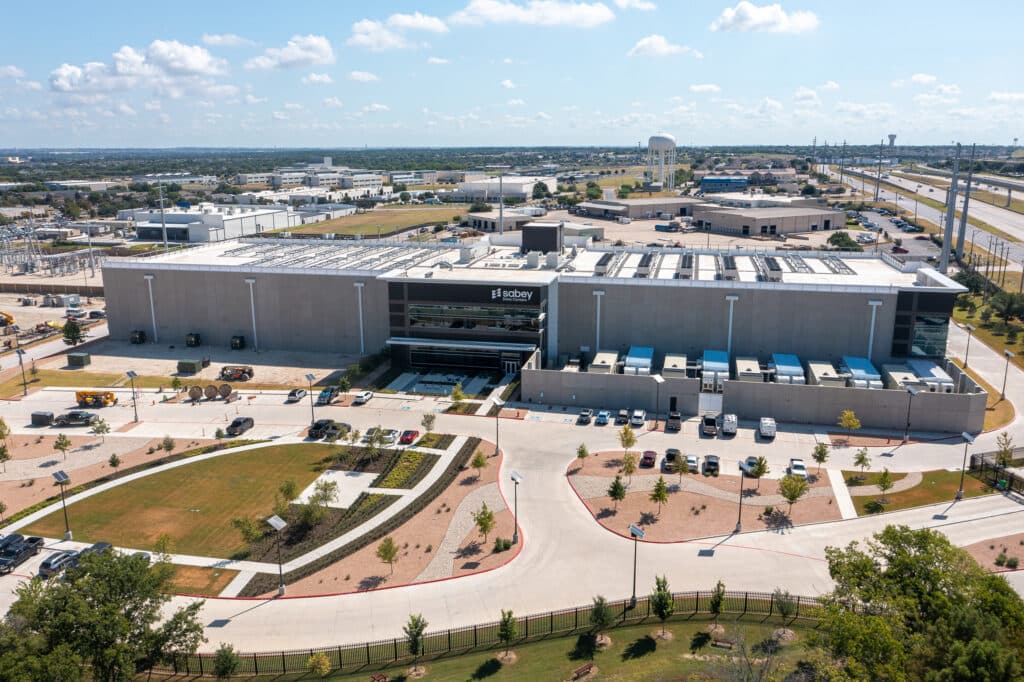

The Data Center Dilemma: Balancing Growth and Stability
As the digital landscape expands, Texas faces a critical juncture concerning its energy grid's capacity to accommodate the burgeoning demand from data centers. With the proliferation of cloud computing, artificial intelligence, and big data analytics, data centers have become the backbone of modern economies. However, this rapid growth presents significant challenges in energy stability, regulatory compliance, and infrastructure resilience. Texas, known for its deregulated energy market, has become a magnet for data center investments, attracting major players like Google, Amazon, and Microsoft. Yet, this influx raises concerns about the grid's ability to support such energy-intensive operations without compromising reliability.
The state's current energy infrastructure is under strain, with peak demand often leading to rolling blackouts and grid failures. The urgency for a solution is magnified by the increasing frequency of extreme weather events that threaten energy supply. The 'Batch Zero' initiative aims to address these challenges by streamlining the integration of new data centers into the existing grid, ensuring that economic growth does not come at the expense of energy stability.
Batch Zero: A Strategic Framework for Data Center Integration
The 'Batch Zero' initiative represents a comprehensive strategy designed to facilitate the seamless integration of data centers into Texas's energy grid. This initiative is not merely a response to current challenges; it is a forward-thinking approach that leverages technology and regulatory frameworks to create a sustainable energy ecosystem.
At its core, the Batch Zero initiative focuses on three key mechanisms: enhanced grid management, demand response programs, and renewable energy integration. Enhanced grid management involves utilizing advanced analytics and real-time monitoring to optimize energy distribution and minimize outages. This approach not only improves reliability but also allows data centers to operate more efficiently, reducing operational costs.
Demand response programs incentivize data centers to adjust their energy consumption during peak demand periods. By offering financial rewards for reducing load, these programs help stabilize the grid while ensuring that data centers can still meet their operational requirements. This creates a win-win scenario where energy providers can manage demand effectively, and data centers can benefit from lower energy costs.
Furthermore, the integration of renewable energy sources is a cornerstone of the Batch Zero initiative. Texas is already a leader in wind energy production, and expanding the use of solar and other renewables can significantly reduce the carbon footprint of data centers. By aligning data center operations with renewable energy generation, Texas can position itself as a sustainable hub for digital innovation, attracting environmentally conscious investors and clients.
Strategic Implications: A New Era for Stakeholders
The Batch Zero initiative holds significant implications for various stakeholders, including energy providers, data center operators, and state regulators. For energy providers, the initiative presents an opportunity to modernize infrastructure and enhance service reliability. By collaborating with data center operators, energy companies can develop tailored solutions that meet the unique demands of these high-consumption facilities.
Data center operators stand to benefit from the initiative by gaining access to a more reliable and efficient energy supply. The financial incentives associated with demand response programs can lead to substantial cost savings, improving overall profitability. Moreover, by aligning their operations with renewable energy initiatives, data centers can enhance their brand reputation and appeal to a growing segment of eco-conscious consumers.
For state regulators, the Batch Zero initiative represents a proactive approach to energy policy. By fostering collaboration between the public and private sectors, Texas can create a regulatory environment that supports innovation while ensuring grid stability. This strategic alignment can serve as a model for other states grappling with similar challenges, positioning Texas as a leader in energy policy and data center integration.
In conclusion, the Batch Zero initiative is not just a response to the immediate challenges posed by the growing demand for data centers; it is a strategic framework that positions Texas at the forefront of energy innovation. By leveraging technology, fostering collaboration, and prioritizing sustainability, Texas can ensure that its energy grid remains robust and resilient in the face of future challenges.
FAQ
The Batch Zero initiative employs three key mechanisms: enhanced grid management using advanced analytics for optimized distribution and outage reduction, demand response programs that incentivize data centers to reduce consumption during peak hours, and increased integration of renewable energy sources like wind and solar to reduce the carbon footprint and reliance on traditional power.
Data center operators can expect a more reliable and efficient energy supply, significant cost savings through participation in demand response programs, and an enhanced brand reputation by aligning with Texas's renewable energy goals, making them more attractive to environmentally conscious clients.
By proactively managing the integration of energy-intensive data centers, Batch Zero ensures that economic growth does not compromise energy stability, preventing disruptions like rolling blackouts. This strategic approach positions Texas as a sustainable and reliable hub for digital innovation, attracting further investment and solidifying its leadership in both energy policy and the technology sector.
Renewable energy integration is a cornerstone of Batch Zero. By expanding the use of wind, solar, and other renewables, the initiative aims to significantly reduce the carbon footprint associated with data centers and align their operations with sustainable energy generation, further strengthening Texas's position as a leader in green technology.
