

The End of the Diesel Era in Municipal Backup Power
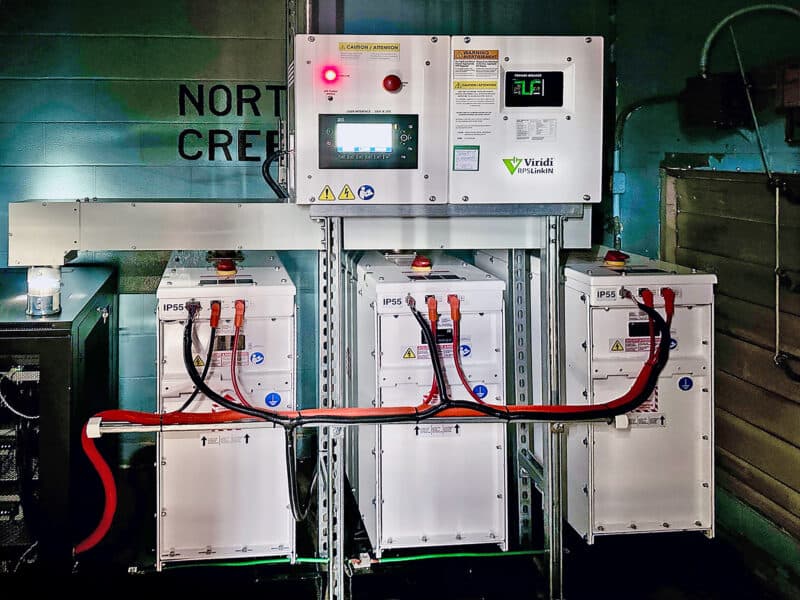
Battery storage systems are emerging as a financially prudent alternative to diesel generators in municipal wastewater facilities. A recent project in New York State illustrates this shift, where a Viridi battery system replaced a diesel backup generator, showcasing a significant reduction in operational costs. The total installed cost for the Viridi BESS was $130,000, but federal incentives under the Clean Energy Investment Tax Credit (ITC) substantially lower this figure. Municipalities can access a 40% total ITC, translating to a net capital cost of just $78,000 after incentives. By utilizing a BESS, they can expect to save between $18,000 and $35,000 annually. This includes reductions in operating and maintenance costs associated with diesel generators, which typically range from $8,000 to $15,000 per year. Additionally, deferring generator replacements can save another $10,000 to $20,000 annually. For executives managing public infrastructure budgets, this is not just a green initiative—it is a direct path to lower costs and higher reliability.
Strategic Consequences: Who Gains and Who Loses
Municipalities and Taxpayers Emerge as Clear Winners
Municipalities stand to gain from this transition. With annual savings of $18,000 to $35,000 and a net capital cost of $78,000, the payback period is roughly two to four years. The Viridi battery packs are engineered for longevity, rated for 4,000 full charge-discharge cycles. In applications like the Erie County Pumping Station, the system is expected to last over 20 years. This durability further enhances the ROI, making the initial investment increasingly attractive. Moreover, Viridi’s proprietary Fail-Safe Anti-Propagation™ architecture ensures that any thermal failure within a cell does not propagate to others, mitigating fire risks. This safety feature is crucial for deployment in sensitive infrastructure areas, enhancing public confidence in battery technology.
Diesel Generator Suppliers Face Structural Decline
As municipalities pivot to battery systems, traditional diesel generator suppliers face declining demand. The shift not only impacts their market but also the associated maintenance and fuel supply sectors. This transition signals a broader trend towards cleaner energy solutions. Diesel generator manufacturers may attempt to lower prices or improve efficiency to retain market share, but the structural cost advantage of BESS—especially with incentives—is difficult to overcome. The annual O&M savings alone ($8,000–$15,000) represent a direct hit to the service revenue streams of diesel suppliers.
Market Impact: Reshaping the Backup Power Landscape
The long-term transition from diesel to battery-based backup power is underway. BESS is becoming the default choice for new installations and retrofits, supported by declining battery costs and policy mandates. The New York State Infrastructure Hardening & Modernization Program is already paving the way for broader deployments. As federal and state incentives remain robust, the expectation is that more municipalities will adopt BESS to replace diesel generators. This shift will fundamentally reshape the backup power market, creating opportunities for battery manufacturers, installers, and clean energy investors while pressuring diesel generator suppliers and fossil fuel distributors.
Outlook and Next Steps for Decision-Makers
For municipal executives, the strategic move is clear: accelerate the replacement of aging diesel generators with BESS to capture cost savings and enhance resilience. The 40% ITC is available now, but policy changes could reduce this incentive. Early adopters will lock in the highest returns. For investors, battery storage companies like Viridi are positioned for growth as municipal adoption scales. For diesel generator suppliers, diversification into battery storage or hybrid solutions is essential to survive. The next 12 months will see a wave of municipal RFPs for BESS, driven by the compelling economics demonstrated in New York.
Final Take
Battery storage is not just an environmental choice—it is a financially superior one. The New York wastewater project proves that BESS can deliver lower costs, higher reliability, and longer life than diesel generators. Municipalities that delay this transition will leave taxpayer money on the table and risk falling behind on resilience mandates. The diesel generator's dominance in backup power is ending; the battery era has begun.
FAQ
Municipalities can achieve significant annual savings, ranging from $18,000 to $35,000, by switching to BESS. These savings stem from reduced operating and maintenance costs associated with diesel generators and deferred expenses for generator replacements.
The initial installed cost for a BESS is $130,000. However, with the 40% federal Clean Energy Investment Tax Credit (ITC), the net capital cost is reduced to $78,000, making the upfront investment considerably more manageable.
BESS units like those from Viridi are designed for longevity, rated for 4,000 full charge-discharge cycles. This translates to an expected operational life of over 20 years in typical municipal applications, ensuring a sustainable and long-term return on investment.
The increasing adoption of BESS by municipalities signals a declining market for diesel generators, impacting not only the sale of new units but also the associated maintenance and fuel supply sectors. This trend reflects a broader shift towards cleaner energy solutions.


