The Strategic Landscape of Defense Partnerships
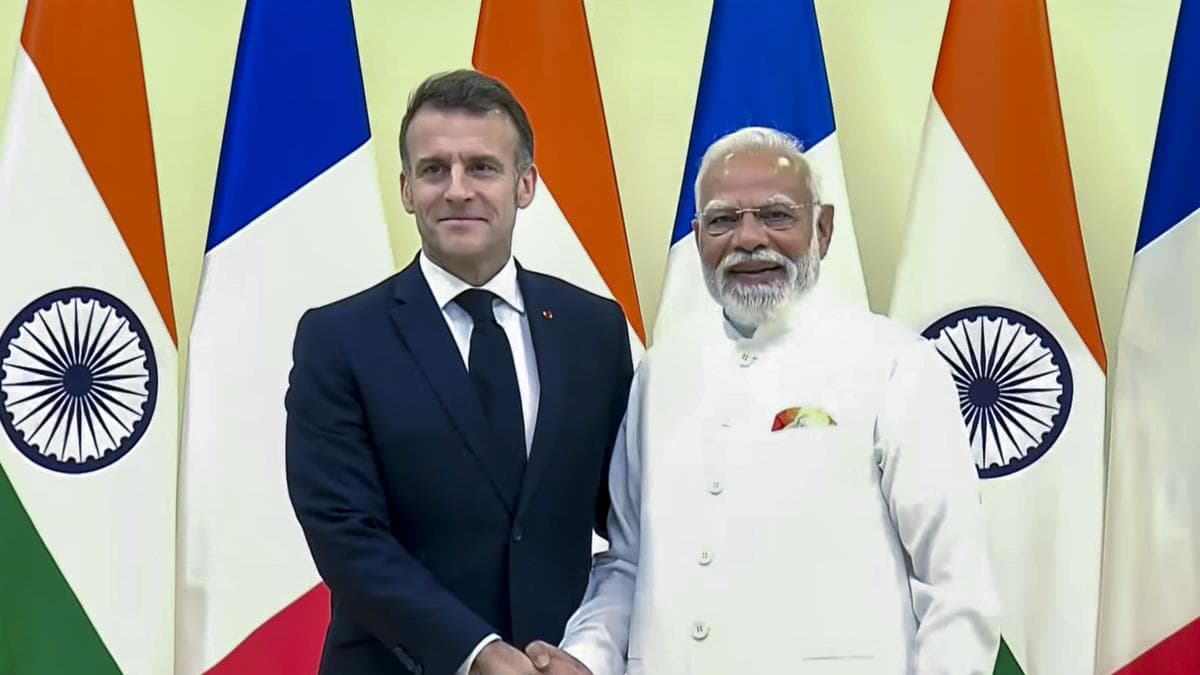
The recent announcement of a joint venture between Airbus SE, a European aerospace leader, and Tata Group, one of India's largest conglomerates, marks a significant milestone in defense collaborations between India and France. This partnership, highlighted by Indian Prime Minister Narendra Modi and French President Emmanuel Macron, is emblematic of a broader trend towards strengthening bilateral ties in defense manufacturing. The geopolitical backdrop of this deal is critical, as nations seek to bolster their military capabilities amidst rising global tensions and the evolving nature of warfare.
India's defense sector has been undergoing a transformation, with a strong push towards self-reliance under the 'Atmanirbhar Bharat' initiative. The helicopter deal aims to not only enhance India's military capabilities but also to position the country as a manufacturing hub for defense equipment in the region. This aligns with Modi's vision of making India a global player in defense manufacturing, reducing reliance on foreign imports, and creating jobs domestically.
The strategic partnership with France, a nation with a robust defense industry, provides India with access to advanced technology and expertise in military aviation. As reported by Bloomberg Global, Modi emphasized the importance of this partnership in fostering stability and progress, indicating a long-term commitment to collaborative defense initiatives. This deal is expected to enhance India's market share in the global defense sector, particularly in the Asia-Pacific region, where defense spending is on the rise.
Mechanisms of the Joint Venture: Airbus and Tata Group
The joint venture between Airbus and Tata Group will focus on the assembly of military helicopters in India, leveraging Tata's extensive manufacturing capabilities and Airbus's technological prowess. This collaboration is designed to create a sustainable ecosystem for defense manufacturing, which includes not only assembly but also potential future R&D initiatives.
Airbus, a leading player in the global aerospace sector, has been actively seeking to expand its footprint in India. The company has a diverse portfolio, including commercial aircraft, helicopters, and defense systems. The partnership with Tata Group, which has a strong presence in various sectors including aerospace, automotive, and IT, creates a formidable alliance that can navigate the complexities of the Indian market.
The technological integration of Airbus's advanced helicopter designs with Tata's manufacturing expertise presents a unique business moat. This synergy not only enhances operational efficiencies but also allows for customization to meet specific Indian defense requirements. The deal is poised to foster innovation in helicopter technology, potentially leading to the development of indigenous models tailored for the Indian Armed Forces.
Furthermore, the partnership is expected to benefit from India's vast talent pool and engineering capabilities, which can drive down production costs while improving quality. This model of collaboration can serve as a blueprint for future defense projects, enabling India to scale its defense manufacturing capabilities and reduce dependency on imports.
Strategic Outlook: Implications for Stakeholders
The implications of the India-France helicopter deal extend beyond the immediate stakeholders of Airbus and Tata Group. For the Indian government, this partnership represents a significant step towards achieving self-sufficiency in defense manufacturing, which is crucial for national security. By fostering local production, the government aims to create jobs, stimulate economic growth, and enhance technological capabilities within the country.
For Airbus, this joint venture is a strategic move to solidify its presence in the Indian defense market, which is projected to grow significantly in the coming years. The collaboration not only opens up new revenue streams but also positions Airbus favorably against competitors in a rapidly evolving market landscape. The ability to manufacture locally can also mitigate risks associated with supply chain disruptions, a lesson underscored by the COVID-19 pandemic.
Tata Group stands to gain immensely from this partnership, as it enhances its reputation as a key player in the defense sector. The collaboration with a global aerospace giant like Airbus reinforces Tata's commitment to quality and innovation, potentially attracting further investments in its defense and aerospace divisions.
Moreover, this deal signals to other nations the potential for fruitful defense partnerships with India, encouraging foreign direct investment in the Indian defense sector. As countries seek to diversify their defense supply chains, India’s strategic location and growing capabilities make it an attractive option.
In conclusion, the India-France helicopter deal is not merely a transaction; it represents a strategic pivot in defense manufacturing that could redefine market dynamics in the Asia-Pacific region. The collaboration between Airbus and Tata Group is set to enhance India's market share in the global defense sector, while also addressing the pressing need for self-reliance in military capabilities.
As the geopolitical landscape continues to evolve, stakeholders must remain agile and responsive to emerging trends, ensuring that they capitalize on the opportunities presented by such strategic partnerships.
FAQ
The deal is a cornerstone of India's 'Atmanirbhar Bharat' initiative, aiming to boost self-reliance in defense manufacturing, position India as a regional hub for defense equipment, reduce import dependency, and create domestic jobs by leveraging advanced technology and expertise from Airbus.
The synergy between Airbus's advanced helicopter technology and Tata's manufacturing prowess creates a unique business moat. This collaboration enhances operational efficiency, allows for customization to meet specific Indian defense needs, fosters innovation in helicopter technology, and potentially leads to the development of indigenous models, all while benefiting from India's talent pool to optimize costs and quality.
For Airbus, it solidifies its presence in the growing Indian defense market, opens new revenue streams, and mitigates supply chain risks. For Tata Group, it elevates its standing in the defense sector, reinforces its commitment to quality and innovation, and can attract further investment in its defense and aerospace divisions.
The deal signals India's growing capabilities and attractiveness for foreign defense investment, potentially encouraging other nations to form similar partnerships. It contributes to national security by enhancing military capabilities, stimulates economic growth, and positions India favorably in the Asia-Pacific defense market amidst rising global tensions.