
Geothermal Energy's Hidden Potential: The Untapped 300 GW Opportunity
Geothermal energy stands at a critical juncture, with the U.S. Department of Energy (DOE) eyeing a staggering 300 gigawatts (GW) of geothermal energy potential. This figure, while ambitious, highlights a hidden mechanism within the energy sector that could significantly alter the landscape of power generation in the United States. As fossil fuels and nuclear energy grapple for relevance, geothermal energy is poised to emerge from the shadows, driven by innovative technologies and strategic funding.
Inside the Machine: The Shift Toward Geothermal
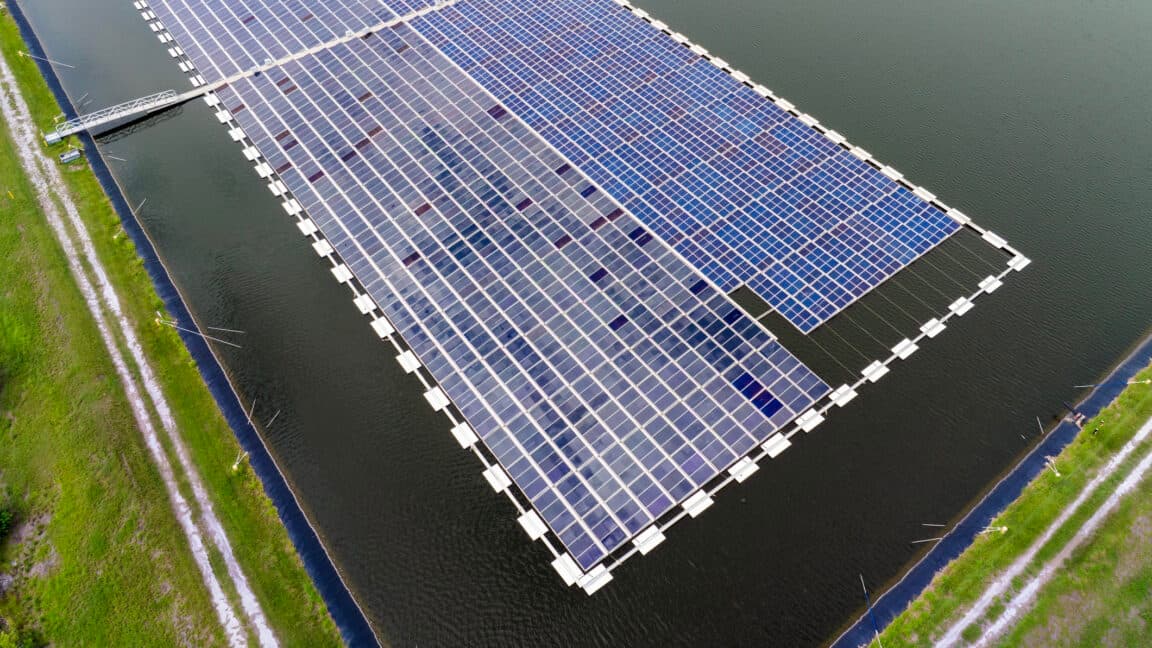
Despite the current administration's vocal support for traditional energy sources, the data tells a different story. According to the U.S. Energy Information Administration, wind, solar, and energy storage are set to dominate new capacity additions in 2026, with solar alone accounting for 51% of the planned capacity. In contrast, natural gas lags significantly at just 7%. This shift underscores a critical transition in the energy market, one that geothermal energy could capitalize on if it can overcome its historical limitations.
The Hidden Mechanism: Funding and Innovation
On February 25, the DOE announced $171 million in funding to support new geothermal discoveries, a move that signals a serious commitment to this underutilized energy source. This funding is not merely a gesture; it aims to derisk geothermal development and attract private investment. The Assistant Secretary of the Hydrocarbons and Geothermal Energy Office, Kyle Haustveit, emphasized that these projects will enhance energy addition and reduce costs for American families, indicating a broader strategy to position geothermal as a competitive player in the energy market.
What They Aren't Telling You: The Controversy Behind the Funding
However, this funding announcement has not come without controversy. Congresswoman Marcy Kaptur and Senator Patty Murray raised concerns about the legality of the funding allocation, suggesting that the DOE is overstepping its bounds by directing funds to favored industries. This scrutiny reveals the underlying tensions within the energy policy arena, particularly as the Republican Party maintains control over Congress. The implications of this funding dispute could have lasting effects on the trajectory of geothermal energy development.
Technological Advances: The Path Forward
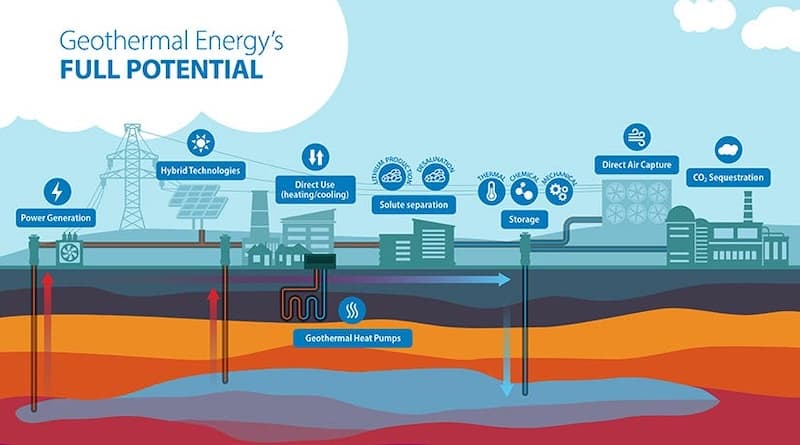
Geothermal energy's resurgence is also tied to advancements in technology. Enhanced geothermal systems (EGS) and closed-loop systems represent the forefront of innovation. EGS expands the potential for geothermal energy by creating artificial reservoirs in the earth's crust, while closed-loop systems utilize existing wells to harvest heat more efficiently. These technologies could significantly reduce the barriers to entry for geothermal energy, making it a more viable option for widespread adoption.
Mapping the Future: Geothermal's Untapped Potential
Recent studies estimate that the U.S. has around 60 GW of geothermal potential, with projections suggesting this could rise to 90 GW by 2050. The DOE's ambitious claim of 300 GW hinges on the successful reduction of costs associated with EGS. The current geothermal capacity stands at just under 4 GW, indicating a vast chasm between potential and reality. The question remains: can the industry bridge this gap before the window of opportunity closes?
Strategic Implications: The Energy Transition
As the energy sector evolves, geothermal energy's role could become increasingly pivotal. The combination of strategic funding, technological innovation, and a clear understanding of market dynamics positions geothermal energy as a potential cornerstone of a diversified energy portfolio. However, the road ahead is fraught with challenges, particularly in navigating the political landscape and ensuring that funding is directed appropriately.
FAQ
The $171 million funding from the DOE is a strategic move to de-risk geothermal development and attract private investment, signaling a serious commitment to positioning geothermal as a competitive and cost-effective energy source in the evolving U.S. energy market.
The projected 300 GW of geothermal potential represents a massive untapped opportunity, vastly exceeding the current capacity of just under 4 GW. This highlights geothermal's potential to become a significant player alongside dominant renewables like solar and wind, which are projected to lead new capacity additions in 2026.
The resurgence of geothermal energy is driven by technological advancements such as Enhanced Geothermal Systems (EGS), which create artificial reservoirs, and closed-loop systems that use existing wells more efficiently. These innovations are crucial for overcoming historical limitations and unlocking geothermal's vast potential.
The primary challenges include bridging the significant gap between theoretical potential and current capacity, and navigating political hurdles. Controversies, such as congressional concerns about the legality of DOE funding allocation, highlight the need for careful political navigation to ensure sustained development and investment in geothermal energy.