
Solar Power Surpasses Hydropower: A Strategic Shift in Energy Generation
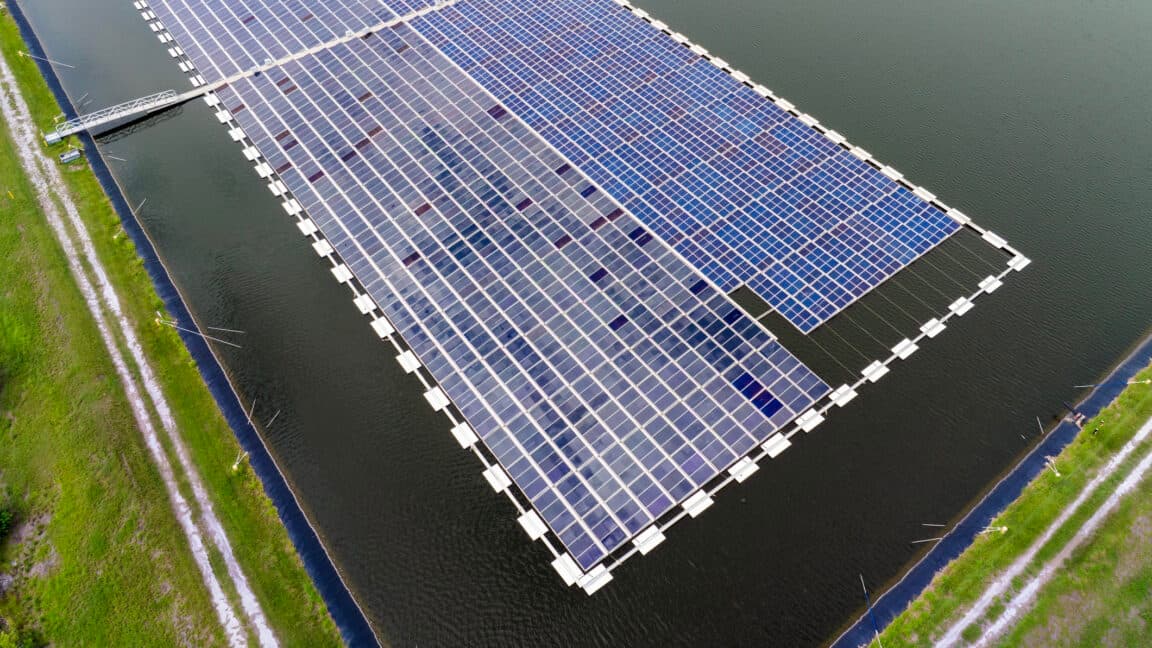
In 2025, solar power achieved a remarkable milestone by surpassing hydropower in electricity generation, marking a significant shift in the U.S. energy landscape. This growth of solar power, which surged by 35% compared to the previous year, highlights the evolving dynamics of energy sources and the implications for future energy strategies.
Understanding the Growth of Solar Power
The U.S. Energy Information Administration (EIA) reported that overall electricity demand rose by 2.8%, or approximately 121 terawatt-hours, in 2025. This increase in demand was partially met by a resurgence in coal usage, which rose by 13%. However, the standout story was the substantial growth of solar energy, which accounted for a significant portion of the new electricity generation.
The Mechanics of Energy Demand and Supply
Historically, U.S. electricity consumption had been relatively stable, but recent trends indicate a shift. Factors such as the adoption of heat pumps, the electrification of transportation, and the expansion of data centers are expected to drive higher energy demands. While these technologies enhance energy efficiency, they also increase reliance on electricity, thus straining the grid.
In 2025, the additional 85 terawatt-hours generated by solar installations covered only about two-thirds of the rising demand, with wind power contributing to 73% of the total increase. The remaining demand was primarily met through fossil fuels, particularly coal, as natural gas faced rising costs and logistical challenges.
The Competitive Energy Market
The fossil fuel market is undergoing significant changes. Traditionally, natural gas would have filled the gap created by increased demand. However, tariffs and increased demand have driven up costs, making coal a more economically viable option. This shift has led to a rise in coal generation, despite the ongoing push for renewable energy.
Future Projections for Renewable Energy
Looking ahead, the solar sector is poised for further growth, with projections indicating an addition of 43 gigawatts (GW) of solar capacity in 2026, significantly outpacing the 27 GW added in 2025. Wind power is also expected to contribute an additional 12 GW, supported by major offshore projects. These developments suggest that solar and wind will continue to expand their share of the electricity mix, potentially pushing renewables to nearly a quarter of the total U.S. electricity generation.
The Role of Battery Storage
A critical component of this renewable energy growth is the rapid expansion of battery storage. With an anticipated 24 GW of new battery capacity, much of it in California and Texas, the ability to store excess solar power will reduce waste and enhance grid reliability. This technological advancement will enable solar and wind to better compete with traditional energy sources.
The Strategic Implications
The shift from hydropower to solar power as a leading energy source signals a transformative moment for the U.S. energy sector. It reflects not only technological advancements but also changing market dynamics that favor renewables. As coal generation rises, it poses challenges to carbon emission reduction goals.
In summary, the transition to solar power represents a strategic opportunity for businesses and policymakers to invest in renewable technologies, enhance energy efficiency, and prepare for an increasingly electrified future. The integration of solar and wind with robust battery storage solutions will be essential to meet future energy demands sustainably.
FAQ
The shift signifies a major transformation in the U.S. energy landscape, driven by technological advancements and evolving market dynamics favoring renewables. This presents a strategic opportunity for investment in renewable technologies, enhanced energy efficiency, and preparation for an electrified future, while also highlighting challenges to carbon emission reduction goals due to the concurrent rise in coal generation.
Rising energy demands, fueled by the adoption of heat pumps, vehicle electrification, and data center expansion, are straining the grid. While renewables like solar and wind are growing, they currently meet only a portion of this increased demand, leading to a resurgence in fossil fuels, particularly coal, due to economic factors and logistical challenges with natural gas.
The rapid expansion of battery storage is critical for the growth of solar and wind power. It enables the storage of excess renewable energy, reducing waste and improving grid reliability, thereby allowing these intermittent sources to better compete with traditional, dispatchable energy sources and meet future energy demands sustainably.
The solar sector is projected for substantial growth, with significant capacity additions expected in 2026, outpacing previous years. Wind power, including offshore projects, will also contribute to increased renewable generation. These trends suggest that solar and wind will continue to expand their share of the electricity mix, potentially reaching nearly a quarter of total U.S. electricity generation.