
The GPS Interference Crisis: Costs and Consequences
The U.S. Space Force faces an escalating GPS interference crisis that threatens both military operations and civilian aviation. With interference incidents surging by 500% in 2024, the need to modernize the GPS satellite constellation has never been more urgent. Yet, delays in launching new satellites—driven by technical issues with the Vulcan rocket and late software deliveries from RTX—are compounding the problem. The Space Force is now considering SpaceX's Falcon 9 as an alternative, a move that could reshape the competitive landscape of national security launches.
Why This Matters for Your Bottom Line
For defense contractors and investors, the shift from ULA to SpaceX represents a significant realignment of market share. For military and civilian stakeholders, the reliability of GPS is a matter of operational safety and economic stability. The cost of inaction is measured not just in dollars, but in lives and strategic advantage.
Background: The GPS Constellation Under Strain
The U.S. Space Force operates 31 GPS satellites, with 24 required for global coverage. While the current fleet meets minimum requirements, it is aging and increasingly vulnerable to jamming and spoofing. The introduction of M-code signals was designed to enhance military resilience, but the full benefits depend on a modernized satellite fleet. The 500% surge in interference incidents in 2024—attributed largely to Russian adversarial actions—underscores the urgency.
Strategic Analysis: Winners and Losers
SpaceX: The Ascendant Alternative
SpaceX's Falcon 9 rocket is now being considered as a launch vehicle for critical GPS satellites. This would mark a significant expansion of SpaceX's role in national security space, potentially displacing ULA from a core mission. For SpaceX, the benefits are clear: new contracts, increased revenue, and validation of its reliability for the most demanding payloads. The company's rapid launch cadence and lower costs could accelerate satellite deployment, directly addressing the interference threat.
United Launch Alliance: At Risk of Irrelevance
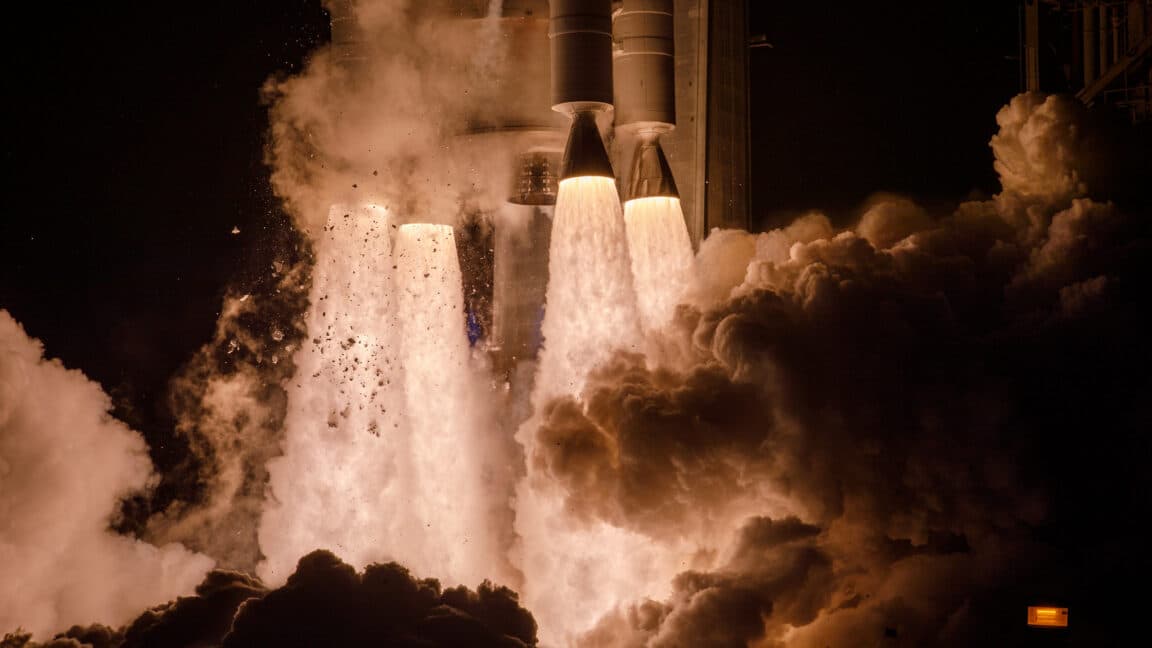
ULA's Vulcan rocket has faced operational setbacks, delaying its certification for national security launches. Combined with RTX's late delivery of control software, the program is behind schedule. If the Space Force shifts GPS launches to SpaceX, ULA could lose billions in future contracts and see its reputation permanently damaged. The company's long-standing monopoly on heavy-lift national security launches is eroding.
RTX: A Liability in the Supply Chain
RTX's late delivery of control software for the GPS ground system has directly contributed to launch delays. This failure not only affects the current program but also raises questions about RTX's reliability for future defense contracts. Competitors in the defense electronics space may see an opportunity to capture market share.
Market Impact and Second-Order Consequences
The shift toward commercial launch providers for national security missions is accelerating. SpaceX's entry into GPS launches would further disrupt the traditional defense industrial base, forcing incumbents to innovate or consolidate. The increased reliance on a single commercial provider also introduces new risks, including supply chain concentration and potential conflicts of interest. Meanwhile, the anti-jamming technology sector is poised for growth, as both military and civilian users seek to protect GPS-dependent systems.
Outlook and Recommended Actions
Over the next 30 days, watch for announcements from the Space Force regarding launch contracts. If SpaceX secures a GPS launch, expect ULA to face immediate financial pressure and potential restructuring. Investors should monitor defense primes for signs of portfolio shifts. For military planners, diversifying launch options and accelerating anti-jamming investments are critical. The cost of inaction is too high—both in terms of national security and economic stability.
Final Take
The GPS interference crisis is a wake-up call. The Space Force must act decisively to modernize the constellation, even if it means breaking from traditional suppliers. The winners will be those who adapt quickly; the losers will be those who cling to legacy systems. For executives, the message is clear: resilience in space-based infrastructure is no longer optional—it is a strategic imperative.
FAQ
GPS interference incidents have surged by 500% in 2024, leading to fatalities and threatening military readiness and civilian aviation safety. This escalating crisis necessitates immediate action to modernize the satellite fleet and enhance resilience.
The U.S. Space Force attributes a significant portion of the rising interference to adversarial actions, particularly from Russia. This highlights a growing geopolitical threat to essential navigation systems.
Delays in launching new satellites, specifically due to technical issues with the Vulcan rocket and software delivery problems, are stalling critical upgrades. This forces the Space Force to consider alternative launch providers like SpaceX to expedite deployment.
Switching to SpaceX could accelerate satellite deployment, directly benefiting military readiness. Conversely, continued reliance on ULA's troubled Vulcan program risks significant financial losses for ULA, damages their reputation, and exacerbates the Space Force's dissatisfaction with their performance.
The Space Force must diversify its launch options beyond ULA's Vulcan, which is currently facing significant setbacks. Expediting partnerships with SpaceX and other reliable providers is crucial to ensure timely satellite launches and enhance national security and civilian safety.