
The Memory Crisis: How AI Drives Up Costs for PCs and Smartphones
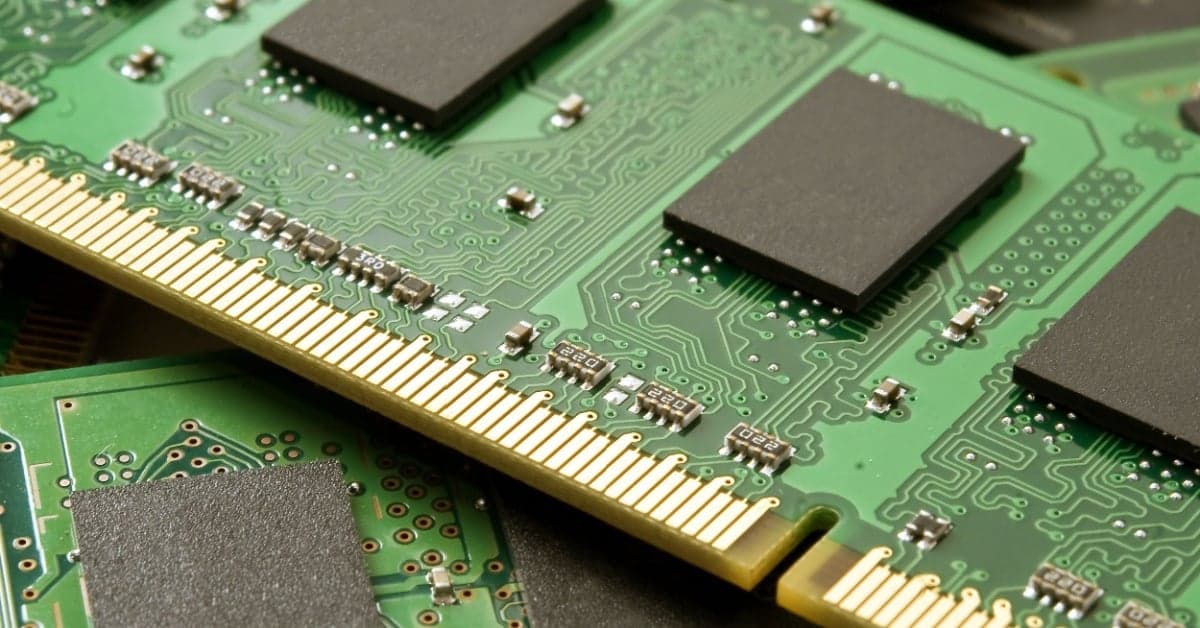
As the demand for AI capabilities escalates, the memory crisis is reshaping the landscape of budget PCs and smartphones. Analysts forecast that the soaring prices of DRAM and NAND flash memory will significantly impact entry-level devices, pushing them further out of reach for cost-sensitive consumers. Gartner projects a staggering decline in global shipments, with PC sales expected to drop by over 10% and smartphone shipments by around 8% in 2026, primarily due to this memory shortage.
Inside the Machine: The Mechanics of Memory Pricing
The dramatic increase in memory prices—some types reportedly doubling or quadrupling within a year—has been attributed to a unique set of market dynamics. Unlike typical boom-bust cycles driven by production issues, this crisis stems from demand-side pressures, particularly from hyperscalers who require vast amounts of memory for AI processing. Ranjit Atwal, a research director at Gartner, notes that the cost of memory now constitutes approximately 35% of the total build cost for PCs, a significant jump from previous quarters.
The Hidden Mechanism: Impact on Budget Devices
What they aren't telling you is that the price hike in memory components is effectively eliminating the budget PC segment. Manufacturers are finding it increasingly difficult to produce entry-level PCs priced below $500, as the rising costs of memory make it economically unfeasible. While vendors could theoretically increase prices to offset these costs, they risk alienating price-sensitive buyers who are unwilling to pay more for basic functionality.
AI's Role in the Memory Shortage
AI-driven devices require more memory to function effectively, further complicating the situation. For instance, Microsoft mandates a minimum of 16 GB of RAM for its Copilot+ PCs, and Gartner recommends at least 32 GB for new enterprise systems. This requirement not only raises the cost of AI PCs but also solidifies their position in the premium price bracket. As a result, the anticipated market penetration of AI PCs is lagging, with Atwal predicting they won't make up more than 50% of the market until 2028.
Consumer Behavior: Holding Off on Purchases
As memory prices continue to rise, consumers and businesses alike are expected to delay their purchasing decisions. Gartner estimates that the lifespan of PCs will extend by 15% in corporate environments and 20% for individual users. This trend indicates a shift in consumer behavior, where the traditional metrics of price, battery life, and performance are prioritized over the allure of AI capabilities.
Smartphones: A Similar Fate?
In the smartphone market, the situation mirrors that of PCs. While manufacturers have more flexibility in pricing, entry-level models are still at risk of disappearing due to increased memory costs. Atwal suggests that while premium devices may not see as steep an increase, the price advantage of budget smartphones is diminishing. This could lead to a shift in consumer behavior, with some opting for higher-end models or postponing purchases altogether.
Looking Ahead: A Long-Lasting Shortage
The memory crisis is not a temporary blip; it is likely to persist through 2027, according to Atwal. This long-lasting shortage will continue to shape the market dynamics for PCs and smartphones, limiting choices for consumers and pushing them towards higher price points. As the industry grapples with these challenges, it is clear that the traditional approach to pricing and product offerings will need to be reevaluated.
FAQ
The escalating demand for AI capabilities is driving up the prices of essential memory components (DRAM and NAND flash), making it increasingly difficult and economically unfeasible for manufacturers to produce budget PCs and smartphones. This is projected to lead to significant declines in global shipments for both categories and effectively eliminate the sub-$500 PC segment.
Unlike traditional boom-bust cycles driven by production issues, the current memory crisis is primarily a demand-side phenomenon. Hyperscalers' immense memory requirements for AI processing are the main catalyst, causing prices for some memory types to double or quadruple, and significantly increasing the memory component's share of total device build costs.
AI-driven devices necessitate substantially more memory (e.g., 16GB RAM minimum for Copilot+ PCs, 32GB recommended for enterprise systems). This directly increases the cost of these devices, positioning them firmly in the premium market segment and slowing their anticipated market penetration, which is not expected to exceed 50% until 2028.
Rising memory prices are prompting both consumers and businesses to delay purchasing decisions. This is expected to extend the average lifespan of PCs by 15% in corporate environments and 20% for individual users, as traditional factors like price and performance are prioritized over new AI features.
The memory crisis is not anticipated to be a temporary situation. Projections indicate that the shortage and its impact on pricing and availability will likely persist through 2027, continuing to shape market dynamics and potentially forcing a reevaluation of traditional pricing and product strategies.