
The Competitive Landscape of India's Home Appliance Market
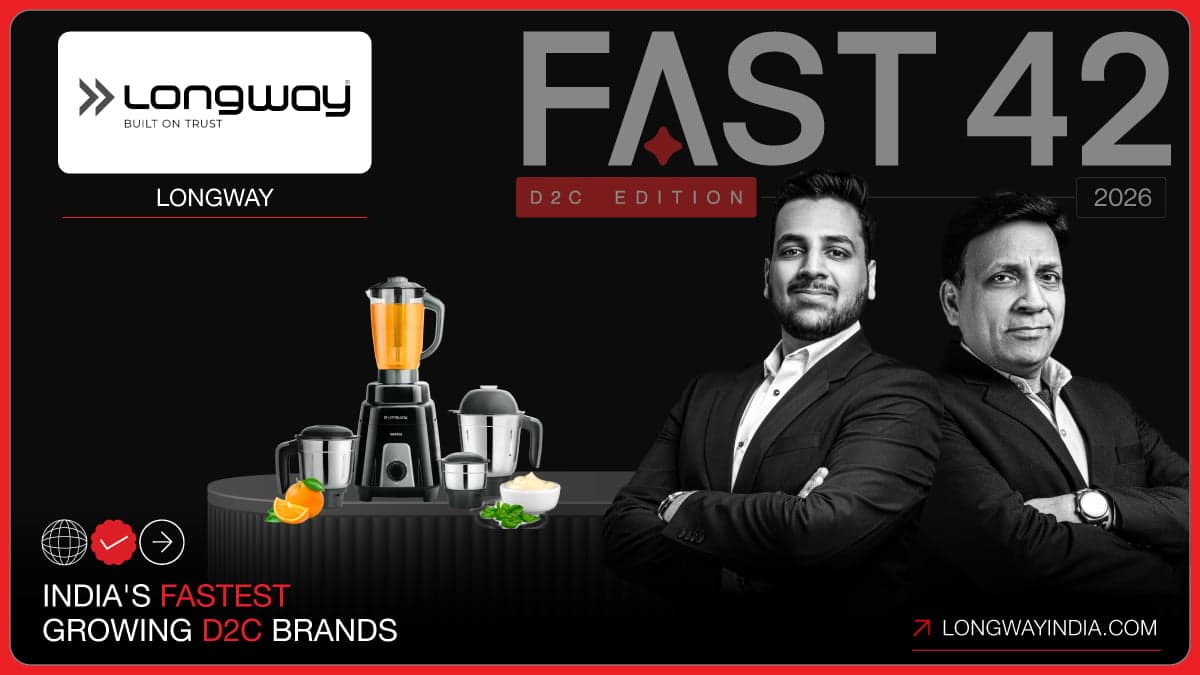
The Indian home appliance market is undergoing a seismic shift, driven by evolving consumer preferences, increasing disposable incomes, and a growing middle class. This market, valued at approximately $15 billion in 2023, is projected to expand at a compound annual growth rate (CAGR) of 10% over the next five years. However, the landscape is not without its challenges. Traditional players, often burdened by legacy systems and high operational costs, are struggling to maintain their market share against nimble newcomers like Longway. The latter has effectively leveraged its manufacturing capabilities and cost control strategies to disrupt the status quo, offering consumers high-quality products at affordable prices.
Longway's ascent is particularly noteworthy in a market where brand loyalty has historically been strong. The company has identified key pain points for consumers, such as price sensitivity and the demand for reliable, durable appliances. By focusing on these elements, Longway has carved out a significant niche, attracting a demographic that values both quality and affordability. This strategic positioning has allowed the company to capture market share from established players, who are now forced to rethink their strategies in order to compete.
The Mechanics of Longway's Disruption
At the heart of Longway's success is its vertically integrated business model, which allows for greater control over production processes and cost structures. By owning its manufacturing facilities, Longway can streamline operations, reduce lead times, and maintain stringent quality control. This not only enhances product reliability but also enables the company to offer competitive pricing that appeals to a broader consumer base.
Longway employs advanced manufacturing technologies, including automation and data analytics, to optimize production efficiency. This tech stack not only reduces operational costs but also allows for rapid scalability. As demand for home appliances continues to grow, Longway is well-positioned to increase production without compromising quality or incurring significant additional costs.
Moreover, Longway's commitment to sustainability sets it apart from competitors. By implementing eco-friendly manufacturing practices and sourcing materials responsibly, the company appeals to a growing segment of environmentally conscious consumers. This strategic focus not only enhances brand reputation but also aligns with macro-trends favoring sustainable business practices.
Strategic Implications for Stakeholders
The rise of Longway in India's appliance market has profound implications for various stakeholders, including established competitors, investors, and consumers. For traditional players, the emergence of Longway serves as a wake-up call. Companies that have relied on brand loyalty and legacy systems must now innovate or risk obsolescence. This may involve investing in technology, re-evaluating supply chains, or even exploring partnerships to enhance competitiveness.
Investors should view Longway's growth trajectory as a signal of shifting market dynamics. The company's ability to disrupt an established market presents opportunities for investment in similar disruptive models across various sectors. As consumer preferences continue to evolve, businesses that can adapt and innovate will likely yield higher returns.
For consumers, the competition spurred by Longway's entry into the market is beneficial. Increased competition drives innovation, leading to better products and services at lower prices. Consumers can expect to see a wider range of options, improved quality, and enhanced customer service as companies vie for their attention.
In conclusion, Longway's strategic growth in India's appliance market exemplifies how a focused approach to manufacturing, cost control, and sustainability can lead to significant market disruption. As the company continues to scale, it will be essential for all stakeholders to remain agile and responsive to the changing landscape, ensuring that they capitalize on the opportunities presented by this dynamic market.
FAQ
Longway's primary competitive advantage lies in its vertically integrated business model, enabling stringent quality control, optimized production processes, and significant cost efficiencies. This allows them to offer high-quality, durable appliances at affordable price points, directly addressing key consumer pain points of price sensitivity and reliability.
Longway employs advanced manufacturing technologies, including automation and data analytics, to enhance production efficiency and reduce operational costs. This technological adoption not only supports rapid scalability to meet growing demand but also ensures consistent quality without escalating expenses.
For established players, Longway's disruption serves as a critical imperative to innovate. They must re-evaluate their reliance on legacy systems and brand loyalty, potentially by investing in technology, optimizing supply chains, or exploring strategic partnerships to remain competitive in a market increasingly valuing affordability and efficiency.
Longway's commitment to eco-friendly manufacturing and responsible sourcing appeals to a growing segment of environmentally conscious consumers. This strategic focus enhances brand reputation and aligns with broader market trends, differentiating them from competitors and potentially capturing a valuable consumer demographic.