
Identifying the Gap in India's Baby Apparel Market
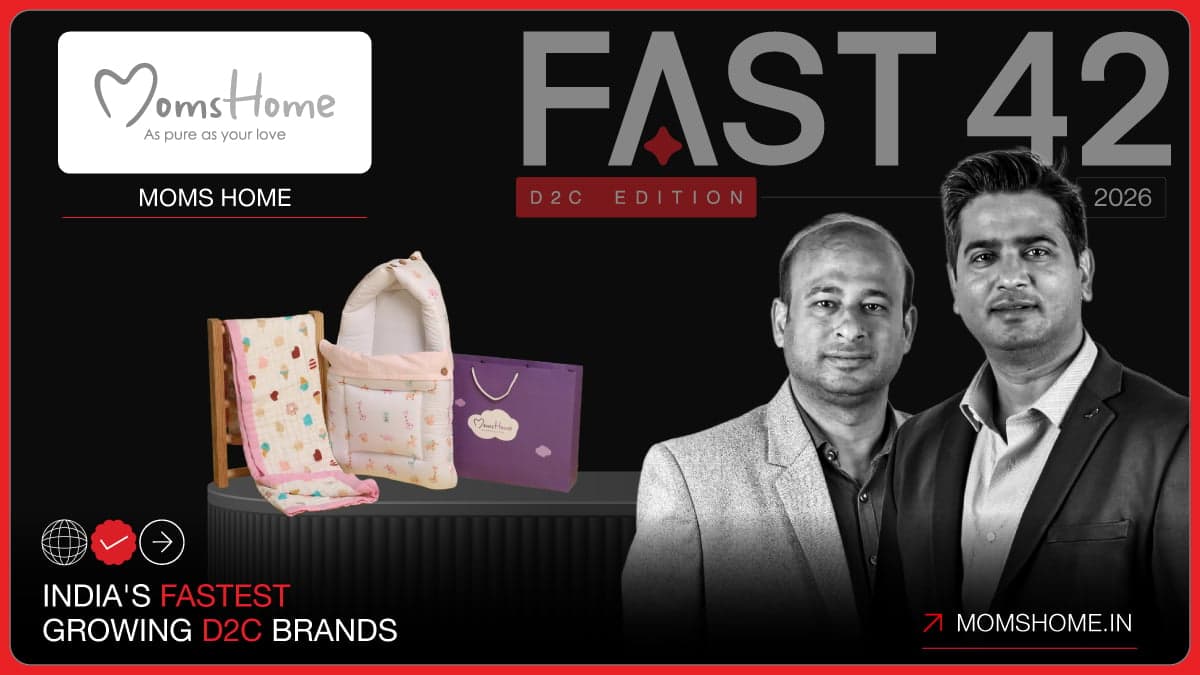
In a rapidly evolving consumer landscape, Moms Home has successfully carved out a significant niche within the Indian baby apparel market, achieving an impressive revenue milestone of ₹17.6 crore. This remarkable journey underscores the growing demand for specialized products tailored to the unique needs of Indian parents. The baby apparel segment has traditionally been dominated by generic offerings, often lacking in quality, variety, and cultural relevance. Moms Home recognized this gap and strategically positioned itself to serve discerning parents seeking high-quality, specialized clothing for their infants.
The Indian market, with its burgeoning middle class and increasing disposable incomes, presents a fertile ground for niche players like Moms Home. The demand for specialized baby apparel is driven by several factors, including a rising awareness of child health and safety, a shift towards premium products, and an increasing inclination towards online shopping. The COVID-19 pandemic further accelerated this trend, as parents sought to invest in quality products that ensure comfort and safety for their children.
Building a Sustainable Competitive Advantage
Moms Home's business model is built upon a deep understanding of its target demographic and a commitment to quality. The company leverages a robust supply chain and a tech-driven approach to streamline operations, ensuring that it can scale efficiently while maintaining product integrity. By focusing on high-quality materials and culturally relevant designs, Moms Home has established a strong brand identity that resonates with Indian consumers.
The company's digital-first strategy is another critical component of its success. By utilizing e-commerce platforms and social media marketing, Moms Home has been able to reach a wider audience, effectively engaging with parents through targeted campaigns that highlight the unique benefits of their products. This approach not only drives sales but also fosters brand loyalty, as parents are more likely to return to a brand that understands their specific needs.
Moreover, Moms Home's commitment to sustainability sets it apart from competitors. By sourcing eco-friendly materials and implementing ethical manufacturing practices, the company appeals to a growing segment of environmentally conscious consumers. This strategic alignment with macro-trends in sustainability not only enhances brand reputation but also positions Moms Home favorably in a market increasingly driven by ethical consumption.
Strategic Implications for Stakeholders in the Baby Apparel Sector
The success of Moms Home has significant implications for various stakeholders in the baby apparel sector. For investors, the company's rapid growth trajectory signals a lucrative opportunity in the niche market segment. As consumer preferences continue to shift towards specialized and high-quality products, investors can expect sustained returns by backing brands that prioritize innovation and customer engagement.
For competitors, the rise of Moms Home serves as a wake-up call. Traditional players must adapt to the changing landscape by enhancing their product offerings and embracing digital transformation. Failure to do so may result in a loss of market share to agile, niche-focused brands that are better equipped to meet the evolving demands of consumers.
Additionally, retailers and distributors should take note of the changing dynamics within the baby apparel market. As more parents turn to online shopping, partnerships with e-commerce platforms will become increasingly vital. Retailers that can effectively curate and promote specialized brands like Moms Home will likely see enhanced sales and customer loyalty.
Finally, policymakers and industry regulators should recognize the potential of niche markets in driving economic growth. By fostering an environment that encourages innovation and supports small to medium-sized enterprises (SMEs), they can contribute to the overall health of the economy while ensuring that consumers have access to quality products.
In conclusion, Moms Home's journey to ₹17.6 crore in revenue exemplifies the potential for growth within the niche baby apparel market in India. By addressing specific consumer needs, leveraging technology, and aligning with macro-trends, the company has established itself as a leader in this space. As the market continues to evolve, stakeholders must remain agile and responsive to capitalize on emerging opportunities.
FAQ
Moms Home has successfully capitalized on the growing demand for specialized, high-quality baby apparel in India, a segment traditionally underserved by generic offerings. This niche addresses increasing parental awareness of child health, a shift towards premium products, and the rise of online shopping.
Moms Home's competitive advantage is built on a deep understanding of its target demographic, a commitment to high-quality materials and culturally relevant designs, a robust tech-driven supply chain, and a digital-first marketing strategy that includes e-commerce and social media engagement.
Moms Home's commitment to sustainability, through eco-friendly materials and ethical manufacturing, appeals to a growing segment of environmentally conscious consumers. This enhances brand reputation and positions the company favorably in a market increasingly driven by ethical consumption.
For competitors, Moms Home's success signals the need to adapt by enhancing product offerings and embracing digital transformation. Retailers and distributors should prioritize partnerships with e-commerce platforms and curate specialized brands like Moms Home to drive sales and customer loyalty.