
New Jersey's Solar Initiative: A Strategic Move for Energy Independence
New Jersey's newly formed Climate Jobs New Jersey coalition is betting big on solar and battery storage to combat a 20% spike in electricity bills since June 2025. The plan: deploy 24.2 GW of clean energy infrastructure within 24 months, creating 34,000 direct jobs by 2030. For executives and investors, this is a high-stakes test of whether rapid renewable deployment can deliver affordability and reliability without blowing up budgets or grid stability.
The Affordability Crisis Driving the Agenda
New Jersey residents and businesses have seen electricity costs surge 20% in less than a year, a trend driven by volatile natural gas prices, aging grid infrastructure, and capacity market charges. The coalition frames solar as a direct antidote: once installed, solar has near-zero marginal fuel costs, and battery storage can shave peak demand charges. But the 24-month timeline means relief won't come until mid-2027 at the earliest—a political risk if bills keep climbing.
Who Wins, Who Loses
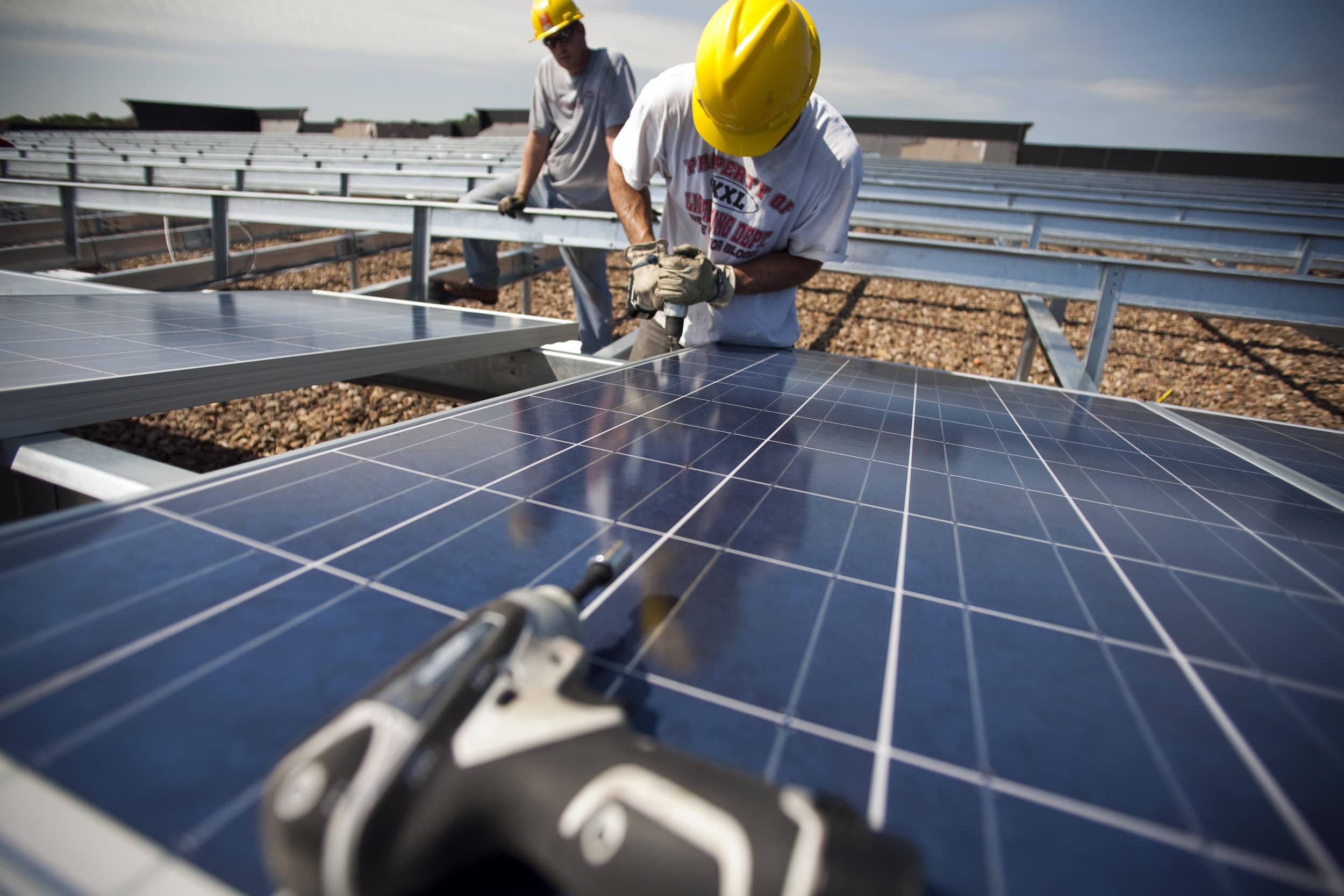
Winners: Union labor stands to gain the most. The coalition, backed by Cornell University's Climate Jobs Institute, explicitly ties job quality to project approvals. Solar installers, panel manufacturers, and battery suppliers will see a demand surge. Local communities hosting projects could benefit from tax revenue and lease payments.
Losers: Traditional gas and nuclear plants face accelerated retirement as solar eats into their market share. Utilities with centralized generation models—like Public Service Enterprise Group (PSEG)—may see revenue erosion from net metering and distributed generation. Ratepayers could also lose if costs are passed through without proper oversight; the coalition hasn't detailed how the $30+ billion buildout will be financed.
Strategic Implications for Energy Markets
If New Jersey succeeds, it will become a template for other states grappling with energy affordability and climate goals. The 24.2 GW target is roughly double the state's current peak solar output, meaning massive grid integration challenges. Battery storage will be critical to avoid curtailment and ensure solar contributes during non-sunny hours. The coalition's emphasis on workforce development could also reshape labor markets, drawing workers from fossil fuel industries into clean energy.
However, the plan's reliance on legislative support and utility cooperation is a vulnerability. New Jersey's Board of Public Utilities must approve cost recovery mechanisms, and utilities may push back if their profits are threatened. The coalition's labor backing gives it political muscle, but the 24-month timeline leaves little room for delays in permitting, supply chain logistics, or interconnection queues.
Second-Order Consequences
Beyond electricity, the initiative could spur growth in adjacent sectors: electric vehicle charging infrastructure, building electrification, and grid modernization. The 34,000 jobs forecast includes not just construction but also operations, maintenance, and manufacturing. If New Jersey can attract solar panel or battery factories, the economic multiplier effect could be significant.
On the flip side, a rapid buildout risks cost overruns and quality issues. The coalition hasn't specified how it will ensure projects are built on time and on budget. If costs spiral, the political backlash could stall future clean energy efforts nationwide.
Outlook & Next Steps
Over the next 30 days, watch for: (1) legislative introduction of enabling bills in Trenton, (2) announcements of utility partnerships or opposition, and (3) updates on federal Inflation Reduction Act incentives that could offset costs. Executives in energy, construction, and finance should monitor New Jersey's procurement processes for contract opportunities. The coalition's next public event will likely detail financing mechanisms—a key signal of project viability.
For investors, the play is clear: companies with exposure to New Jersey's solar supply chain (e.g., First Solar, SunPower, Tesla Energy) could see upside. But the real prize is the policy blueprint—if New Jersey proves solar can slash bills and create jobs, expect copycat initiatives in other high-cost states like New York, California, and Massachusetts.
Final Take
New Jersey's solar initiative is ambitious, necessary, and risky. The 20% bill spike gives it urgency, but the 24-month timeline and lack of detailed cost allocation are red flags. The coalition must move fast to secure funding, win utility cooperation, and deliver visible results before political will fades. If it succeeds, it will be a landmark case study in energy transition. If it fails, it will set back the clean energy movement by years.
FAQ
The primary driver is New Jersey's energy affordability crisis, marked by significant electricity bill increases. The initiative's key objectives are to address these rising costs, achieve energy independence for the state, and stimulate economic growth through job creation in the renewable energy sector.
The state plans to invest substantially in building 24.2 GW of clean energy infrastructure, including solar, offshore wind, and energy storage, with an estimated operational timeline of 24 months. While the upfront investment is significant, the projected ROI includes the creation of 34,000 direct jobs by 2030, particularly benefiting union workers and underserved communities.
Union workers and local communities are expected to be the primary beneficiaries due to job creation and improved energy independence. Conversely, traditional energy sectors, especially those reliant on natural gas and nuclear power, may face challenges. Consumers could initially bear some transition costs if utilities pass them on.
The long-term vision is comprehensive, encompassing not only solar energy but also decarbonizing buildings, developing affordable housing, and enhancing infrastructure resilience. This holistic approach aims to create a sustainable energy economy that balances climate action with economic equity.