
The Geopolitical Landscape of Defense Manufacturing
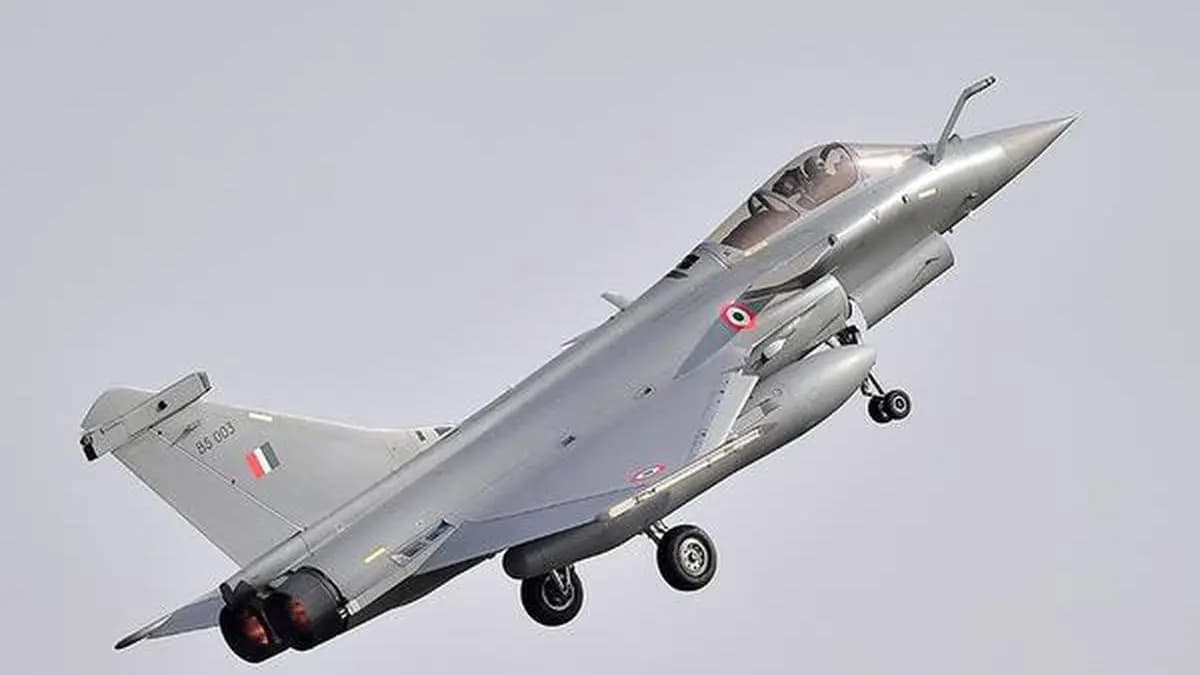
The global defense industry is undergoing a seismic shift, driven by increasing geopolitical tensions and the urgent need for nations to bolster their military capabilities. The recent discussions between India and France regarding a joint venture to produce Hammer missiles exemplify this trend. As nations grapple with the complexities of national security, the collaboration aims to enhance defense capabilities while also expanding market share in an increasingly competitive landscape.
India, with its vast population and growing economy, is emerging as a key player in the defense sector. The country has been striving for self-reliance in defense manufacturing, particularly through initiatives like "Make in India," which seeks to reduce dependency on foreign imports. This strategic pivot is essential, as India aims to modernize its armed forces amid regional tensions, particularly with neighboring countries.
On the other hand, France, a leading European defense manufacturer, has been keen on expanding its influence in Asia. The collaboration with India not only opens new avenues for market penetration but also aligns with France's strategic objectives to maintain its position as a global defense leader. The Hammer missile system, known for its precision and versatility, represents a significant technological advancement that both countries can leverage to enhance their military capabilities.
Technological Synergy: The Mechanics of Hammer Missile Production
The Hammer missile, designed for precision strikes, is a testament to advanced engineering and technology. Its development involves sophisticated guidance systems, high-accuracy targeting, and the ability to engage multiple targets simultaneously. The collaboration between India and France will likely focus on the integration of indigenous technologies with French expertise, creating a robust production model that can be scaled efficiently.
From a technological standpoint, the joint venture will harness India's burgeoning defense manufacturing ecosystem, which includes a skilled workforce and a growing base of defense-related SMEs (small and medium enterprises). This synergy will not only facilitate knowledge transfer but also foster innovation in missile technology, potentially leading to the development of next-generation systems.
Moreover, the partnership is expected to enhance the supply chain resilience for both nations. By establishing a local production facility in India, the joint venture can mitigate risks associated with global supply chain disruptions, which have become increasingly prevalent in recent years. This localized approach will enable faster response times and reduce costs associated with logistics and transportation.
Strategic Implications for Stakeholders in the Defense Ecosystem
The implications of the India-France missile production initiative extend far beyond the immediate benefits of enhanced military capabilities. For defense contractors and manufacturers, this collaboration signals a shift towards more strategic partnerships that prioritize local production and technological innovation. Companies involved in defense manufacturing should take note of this trend, as it could redefine competitive dynamics within the industry.
For India, the joint venture represents a significant step towards achieving self-reliance in defense. By producing advanced missile systems domestically, India can reduce its reliance on foreign imports, thereby enhancing its strategic autonomy. This move is likely to attract further foreign investment in the Indian defense sector, as international companies seek to capitalize on the growing market.
For France, the collaboration opens new markets in Asia, which is becoming increasingly important for defense exports. The ability to partner with a nation like India, which is poised for substantial defense spending growth, positions France favorably in the global defense landscape. This partnership could serve as a model for future collaborations with other nations seeking to enhance their defense capabilities.
Additionally, the geopolitical ramifications of this collaboration cannot be overlooked. As India and France strengthen their defense ties, it may lead to closer diplomatic relations, potentially impacting regional stability. Other nations may respond by reevaluating their defense strategies and partnerships, leading to a ripple effect across the global defense landscape.
FAQ
This collaboration is a pivotal step for India towards achieving self-reliance in defense manufacturing, reducing import dependency, and enhancing its strategic autonomy. By producing advanced systems like the Hammer missile domestically, India strengthens its armed forces and positions itself as a major player in the global defense market, potentially attracting further foreign investment.
For France, this partnership provides significant market penetration in Asia, a rapidly growing defense spending region. It reinforces France's position as a global defense leader and can serve as a blueprint for future collaborations with other nations seeking to bolster their military capabilities and technological advancements.
The joint venture leverages advanced French missile technology with India's growing defense manufacturing ecosystem and skilled workforce. This synergy is expected to foster innovation, enable knowledge transfer, create a robust and scalable production model, and enhance supply chain resilience for both nations by establishing local production capabilities.
The strengthening defense ties between India and France could lead to enhanced diplomatic relations and potentially influence regional stability. This collaboration may prompt other nations to reassess their own defense strategies and international partnerships, creating a dynamic shift in the global defense landscape.