Executive Summary
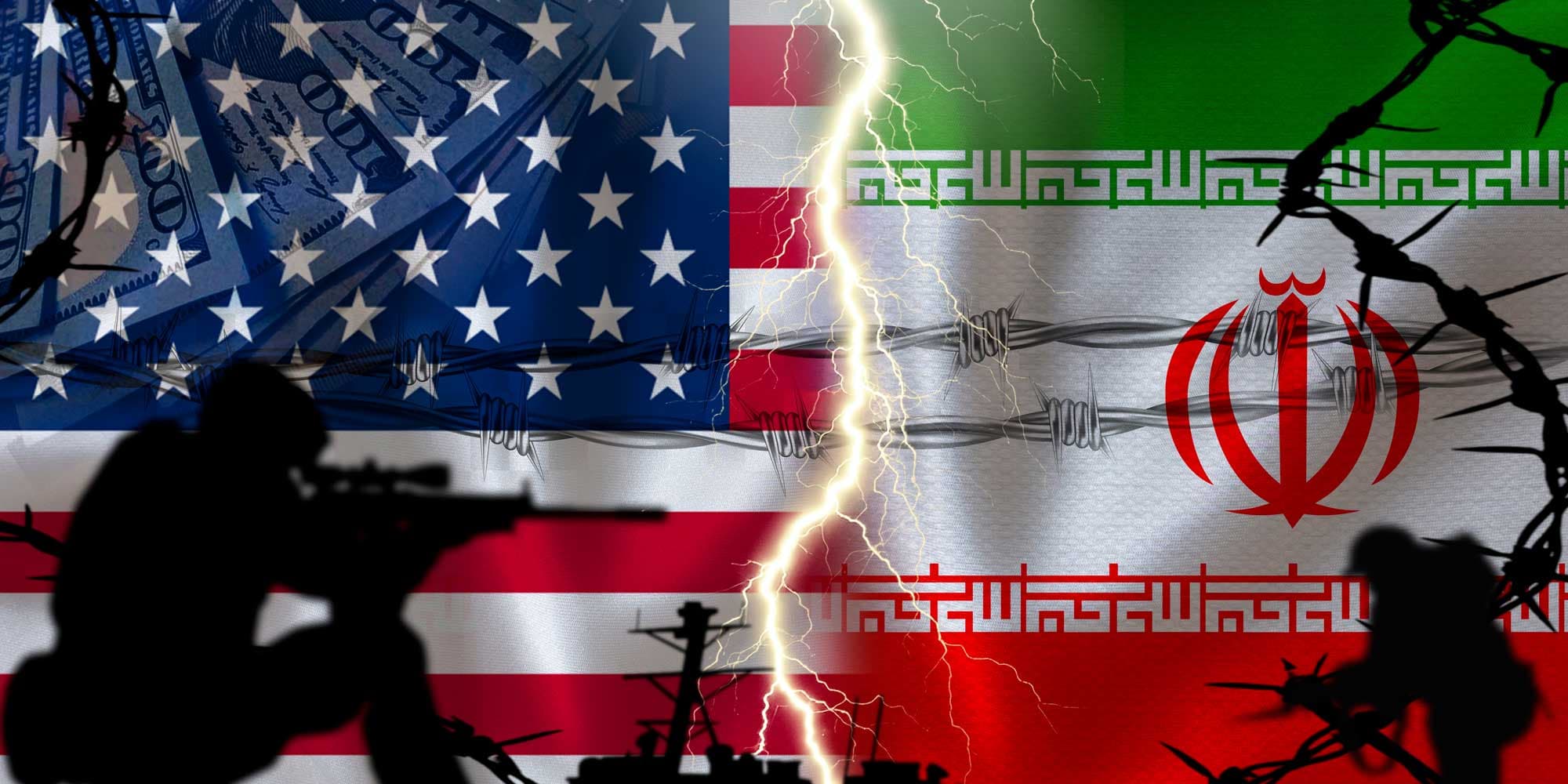
The recent escalation of military actions between Iran and Israel marks a critical turning point in West Asia, as Iran launches missiles at Israel amidst ongoing aerial assaults. This conflict, now entering its sixth day, follows the sinking of an Iranian warship by a U.S. submarine, which has intensified hostilities and prompted threats from Iran to dismantle military and economic infrastructures across the region. The stakes are high, with over a thousand casualties reported, and the potential for a wider regional war looms large. The implications of this conflict extend beyond immediate military engagements, affecting global energy markets, regional alliances, and international diplomatic relations.
Key Insights
- Iran's missile strikes on Israel signify a marked escalation in hostilities, with Iran also targeting Bahrain and Kuwait.
- The U.S. and Israel are conducting intensified bombardments aimed at Iran's leadership and military capabilities.
- Over 1,000 fatalities have been reported in Iran, with significant casualties in Lebanon and Israel as well.
- Energy supplies are under severe threat, with oil prices surging due to disruptions in shipping through the Strait of Hormuz.
- Iran's internal political dynamics are shifting as the country seeks a successor to the late Supreme Leader Ayatollah Khamenei amidst ongoing unrest.
- The conflict has prompted a reevaluation of regional security alliances and military readiness.
Strategic Implications
Industry Dynamics: Wins and Losses
The current conflict presents a dual landscape for various industries. On one hand, arms manufacturers and security firms stand to gain from increased demand for military hardware and intelligence services. The heightened conflict necessitates enhanced security measures and military capabilities, catalyzing growth in defense spending across the region. Conversely, civilian populations in both Iran and Israel face dire consequences, with direct threats to life and property. The humanitarian crisis resulting from the ongoing violence could lead to increased international scrutiny and calls for intervention.
Investor Landscape: Risks and Opportunities
For investors, the situation presents a complex risk-reward scenario. The volatility in global energy markets, driven by the conflict's impact on oil supplies, could lead to significant price fluctuations. Investors in energy stocks may find opportunities, but the broader economic implications could deter investment in regions affected by the conflict. Furthermore, geopolitical instability may lead to a reevaluation of risk profiles, affecting investment strategies across various sectors.
Competitive Landscape: Regional Actors
The conflict has the potential to reshape alliances and rivalries within West Asia. Iran's aggressive posture may catalyze a response from neighboring countries, prompting a reassessment of security arrangements. Regional actors may seek to bolster their military capabilities in response to perceived threats, leading to an arms race. Additionally, the conflict could create opportunities for external powers to influence regional dynamics, either by supporting one side or seeking to mediate peace.
Policy Considerations: International Response
The international community faces significant challenges in responding to the escalating conflict. Diplomatic efforts to de-escalate tensions may be complicated by the entrenched positions of the involved parties. The U.S. has signaled its support for Israel, while also expressing concerns about the humanitarian impact of the conflict. Policymakers must navigate the delicate balance between supporting allies and addressing the broader implications for regional stability and global security.
The Bottom Line
The ongoing Iran-Israel conflict represents a critical juncture in West Asia, with far-reaching implications for regional stability, global energy markets, and international relations. As hostilities escalate, the potential for a wider regional war increases, underscoring the need for strategic foresight and proactive engagement from global powers. The conflict's impact on civilian populations and the humanitarian crisis that may ensue could catalyze a shift in international policy and intervention strategies. Stakeholders across industries and governments must remain vigilant as the situation develops, recognizing the interconnectedness of regional dynamics and global stability.