Starship V3: A Step Forward, But Engine Flaws Linger
SpaceX’s Starship V3 completed its first test flight on May 22, 2026, with a successful splashdown in the Indian Ocean and a validated payload deployment mechanism. But two Raptor 3 engine failures—one on the Super Heavy booster, one on the ship—and the loss of the booster during return highlight that the world’s largest rocket is still a work in progress. For executives tracking space logistics, satellite deployment, and lunar ambitions, the question is not whether Starship works, but when it will be reliable enough for commercial and government missions.
What Worked: Heat Shield, Payload Deployment, and Pad Resilience
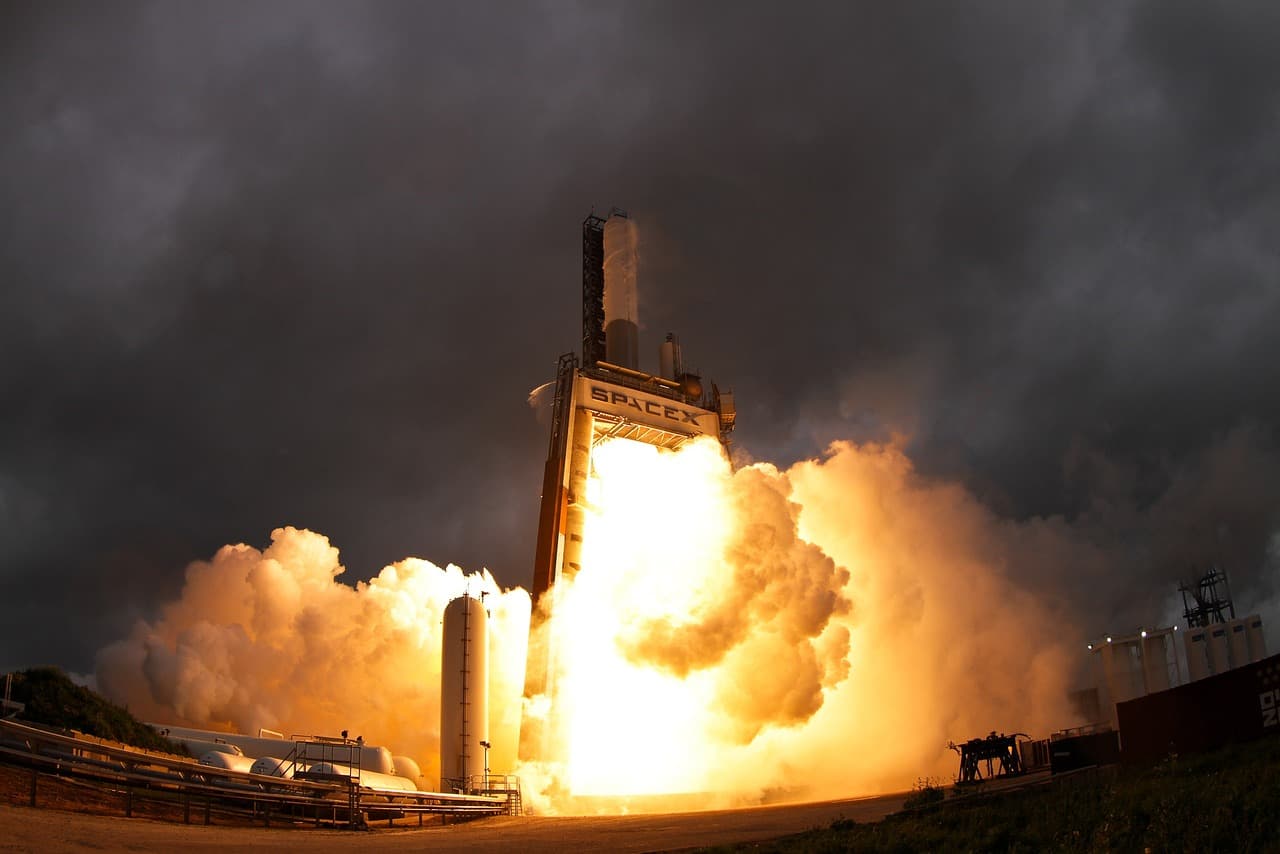
The flight demonstrated critical advances. The heat shield held up during reentry, a major engineering challenge that doomed earlier prototypes. The ship executed banking maneuvers and a flip to vertical before a controlled water landing. SpaceX also tested an upgraded payload dispenser, releasing 20 mockup Starlink satellites and two inspection spacecraft—all successfully. The new launch pad at Starbase showed no significant damage, validating the design for future pads at Cape Canaveral.
What Failed: Raptor 3 Reliability and Booster Recovery
Two Raptor 3 engines failed during ascent—one on the booster shortly after liftoff, one on the ship after stage separation. While the vehicle compensated, the booster could not complete its boost-back burn and crashed into the Gulf. SpaceX also skipped a planned in-space engine relight due to the ship engine failure, meaning Starship remains suborbital after 12 flights. The Raptor 3 is a redesigned engine with higher thrust and lighter weight, but these failures indicate teething problems that could delay certification for crewed or high-value payloads.
Strategic Implications for SpaceX and Competitors
SpaceX’s ability to iterate quickly is its greatest strength, but the seven-month gap since the last flight suggests infrastructure or regulatory bottlenecks. The successful pad test and payload deployment bring Starship closer to launching real Starlink satellites and supporting NASA’s Artemis program. However, engine reliability remains the gating factor for orbital refueling tests and lunar lander missions. Competitors like Blue Origin and ULA are watching closely; any delay in Starship’s operational timeline could give them an opening in the heavy-lift market.
Winners and Losers
Winners: SpaceX validated key technologies, NASA gained confidence in its lunar lander, and the Starlink program moved closer to using Starship for next-gen satellite deployment. Losers: Competing launch providers face a more credible threat, and SpaceX’s own schedule may slip if engine issues persist. The booster loss also means SpaceX must build more hardware, increasing costs.
Second-Order Effects
If SpaceX resolves Raptor 3 reliability quickly, the next flight could attempt an orbital trajectory and booster catch at the launch tower. This would unlock orbital refueling tests, a prerequisite for Artemis. Conversely, repeated engine failures could trigger FAA scrutiny and delay launch licenses. The successful pad design also paves the way for Florida launch sites, potentially increasing launch cadence to weekly.
Market and Industry Impact
Starship’s 100-ton payload capacity to LEO—double V2—could disrupt the launch market by lowering cost per kilogram. If operational, it would enable large satellite constellations, space stations, and deep-space missions. But until reliability is proven, customers will stick with Falcon 9 and Falcon Heavy. The engine failures may also push SpaceX to refine Raptor 3 before committing to high-value payloads.
Executive Action
- Monitor SpaceX’s next flight for Raptor 3 reliability data and booster recovery success.
- Assess supply chain implications: Raptor 3 failures may affect production timelines for Starship and Super Heavy.
- Evaluate competitive positioning: If Starship delays persist, consider alternatives like Blue Origin’s New Glenn or ULA’s Vulcan for heavy-lift needs.
Source: Ars Technica
FAQ
Not yet. The engine failures and suborbital status mean SpaceX must demonstrate orbital flight and orbital refueling before Artemis can rely on Starship. Current timeline suggests late 2027 at the earliest.
SpaceX can continue launching Starlink on Falcon 9, but Starship’s higher capacity is needed for next-gen satellites. Engine issues delay that transition, potentially slowing constellation expansion.