Executive Summary
The recent military operations initiated by the U.S. and Israel against Iran mark a critical escalation in Middle Eastern tensions. As President Trump confirmed the commencement of major combat operations, the implications for regional stability, international relations, and global energy markets are profound. The strikes on Iranian military targets, combined with retaliatory missile attacks from Iran, signal a dangerous escalation that could reshape alliances and provoke broader conflict in the region.
Key Insights
- U.S. military operations against Iran have officially begun, targeting multiple ministries in Tehran.
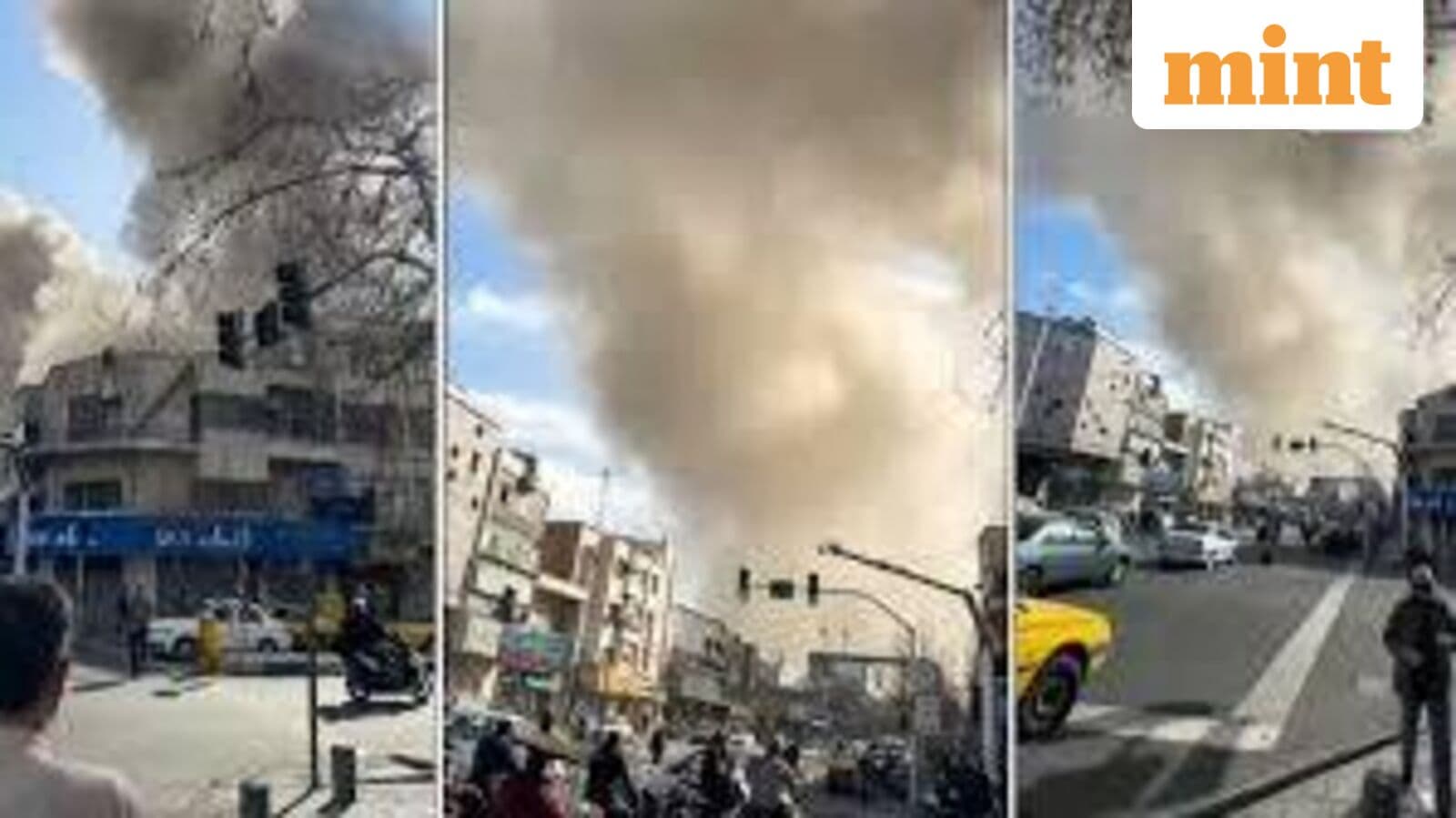
- Explosions have been reported in several cities across the Middle East, indicating a widespread military engagement.
- Iran has launched counterattacks, with missiles targeting U.S. bases and allies in the region.
- Qatar and the UAE condemned Iranian missile strikes, highlighting regional divisions and the potential for broader conflict.
- Military operations were preceded by a significant buildup of U.S. military assets in the region, suggesting a strategic intent to pressure Iran.
Strategic Implications
Industry Impact
The military actions have immediate repercussions for various industries, particularly the energy sector. As Iran is a key player in OPEC and controls vital shipping routes through the Strait of Hormuz, disruptions to oil production or transport could lead to significant price volatility. Energy market participants are already reacting, with oil prices climbing following the announcement of military operations. This escalation could lead to a reevaluation of energy strategies among global producers and consumers alike, as they brace for potential supply chain disruptions.
Investor Risks and Opportunities
Investors should be aware of the heightened risks associated with geopolitical instability in the Middle East. The military actions could lead to increased volatility in stock markets, particularly those with exposure to oil and defense sectors. However, there may also be opportunities for companies involved in defense contracting and security services, as demand for military capabilities is likely to rise in response to the escalating conflict.
Competitive Landscape
The military operations may alter the competitive dynamics in the region. Iran's response could galvanize its allies and lead to a more unified front against U.S. and Israeli interests. This could result in a reconfiguration of alliances, with countries like Russia and China potentially stepping in to fill any power vacuums created by U.S. actions. Additionally, the situation may compel other regional players to reassess their military and diplomatic strategies, leading to an arms race or increased military spending.
Policy Considerations
The escalation of military operations raises critical questions about U.S. foreign policy in the Middle East. The current administration's approach may face scrutiny from both domestic and international observers, particularly regarding the effectiveness of military action versus diplomatic engagement. The potential for broader conflict necessitates urgent discussions within international bodies, such as the United Nations, to address the crisis and seek diplomatic solutions.
The Bottom Line
The U.S.-Israel military operations against Iran represent a significant escalation in regional tensions, with far-reaching implications for international relations, energy markets, and security dynamics. As both sides prepare for a protracted confrontation, the stakes are higher than ever. The potential for widespread conflict could reshape geopolitical alliances and economic strategies, making it imperative for stakeholders to closely monitor developments in the region.
FAQ
The attacks have heightened geopolitical tensions, leading to increased volatility in oil prices and potential disruptions in energy supply.
Investors should anticipate increased volatility, particularly in energy and defense sectors, as the situation evolves.