
Revolutionizing Energy: The Critical Need for Clean Nuclear Solutions
The global energy landscape is undergoing a seismic shift driven by the urgent need for sustainable and clean energy solutions. As nations grapple with climate change and the pressing need to reduce carbon emissions, traditional energy sources are increasingly viewed as inadequate. The International Energy Agency (IEA) has projected that to meet the Paris Agreement goals, global energy systems must undergo a dramatic transformation, with nuclear energy playing a pivotal role.
In this context, small modular reactors (SMRs) have emerged as a promising solution. These reactors offer a more flexible, scalable, and safer approach to nuclear energy, addressing many concerns associated with traditional large-scale nuclear plants. However, a significant bottleneck in the deployment of SMRs has been the fuel supply chain. X-Energy's recent approval to produce fuel for its small modular reactors marks a crucial milestone in overcoming this challenge, positioning the company as a leader in the clean energy transition.
The X-Energy Advantage: Fuel Production and Technological Innovation
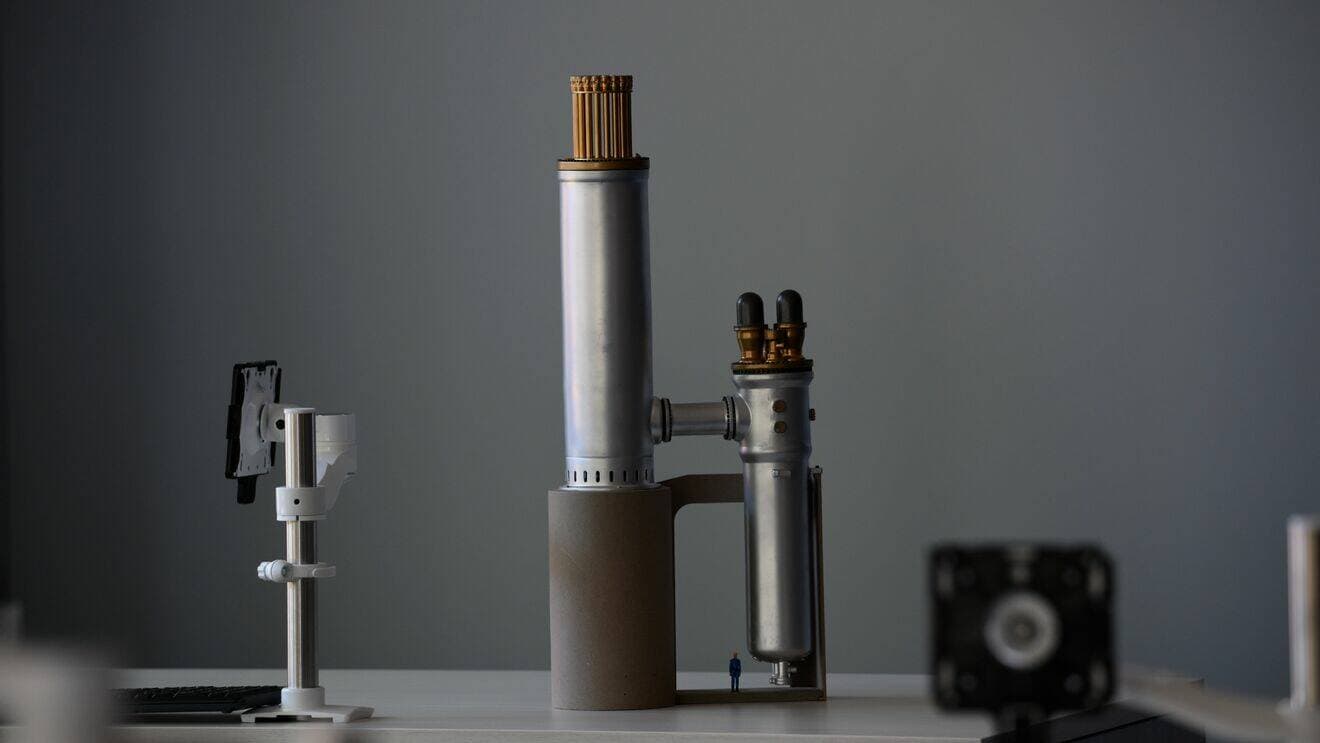
X-Energy is a pioneering company in the nuclear energy sector, focusing on the development of advanced small modular reactors. Their reactor technology is designed to be safer, more efficient, and more environmentally friendly than traditional reactors. The recent approval for fuel production is not merely a regulatory milestone; it represents a significant advancement in the company’s technological capabilities and operational strategy.
The fuel production process for X-Energy's reactors leverages proprietary technology that enhances safety and efficiency. The fuel is designed to withstand higher temperatures and has a longer operational life, reducing the frequency of refueling outages. This innovation not only enhances the economic viability of X-Energy’s reactors but also aligns with global trends towards decarbonization and energy independence.
Moreover, X-Energy's strategic partnerships with various stakeholders across the nuclear supply chain amplify its competitive edge. By securing a reliable fuel supply, the company can mitigate risks associated with fuel shortages, which have historically plagued the nuclear industry. This proactive approach positions X-Energy favorably against competitors who may still be reliant on traditional fuel production methods.
Strategic Implications: A New Era for Stakeholders in Energy
The approval for X-Energy to produce fuel for its SMRs is poised to have far-reaching implications for various stakeholders in the energy sector. For investors, this development signals a robust opportunity to engage with a company that is at the forefront of the clean energy revolution. With governments around the world increasingly incentivizing clean energy initiatives, X-Energy is well-positioned to capture a significant share of the growing market for nuclear energy.
Utilities and energy providers stand to benefit from the enhanced reliability and efficiency of X-Energy's reactors. The ability to produce fuel in-house means that these entities can expect reduced operational costs and improved energy security. As the demand for clean energy continues to rise, X-Energy's SMRs could become a cornerstone of energy supply strategies, particularly in regions where traditional energy sources are being phased out.
Furthermore, policymakers and regulators should take note of this advancement as it aligns with global energy goals. The success of X-Energy's fuel production can serve as a model for other companies looking to innovate within the nuclear sector. It underscores the potential for nuclear energy to play a significant role in achieving net-zero emissions, thereby fostering a favorable regulatory environment for future nuclear projects.
In summary, X-Energy's approval to produce fuel for its small modular reactors is not just a corporate achievement; it represents a strategic pivot in the nuclear energy landscape. As the company moves forward, its ability to deliver on this promise will be closely watched by investors, energy providers, and policymakers alike.
FAQ
X-Energy's approval to produce fuel for its SMRs is a game-changer, addressing a critical bottleneck in the SMR supply chain. This milestone positions X-Energy as a leader, potentially accelerating the deployment of clean nuclear energy solutions globally and serving as a model for future innovation in the sector.
In-house fuel production grants X-Energy enhanced control over its supply chain, mitigating risks of shortages and improving operational efficiency. Their proprietary technology also leads to safer, more durable fuel, reducing refueling frequency and enhancing the economic viability and energy security of their SMRs.
For investors, this signals a significant opportunity in a company at the forefront of the clean energy transition, well-positioned to capitalize on growing global demand for nuclear energy. Energy providers can anticipate reduced operational costs, improved reliability, and enhanced energy security through X-Energy's advanced SMR technology.
X-Energy's fuel production approval directly supports global decarbonization efforts and the Paris Agreement goals by enabling a more robust and scalable clean nuclear energy solution. This success can encourage favorable regulatory environments and inspire further investment and innovation in the nuclear sector to achieve net-zero emissions.